Pitru Paksha 2026: Pind Daan in Gaya Liberates 7 Generations, Garuda Purana
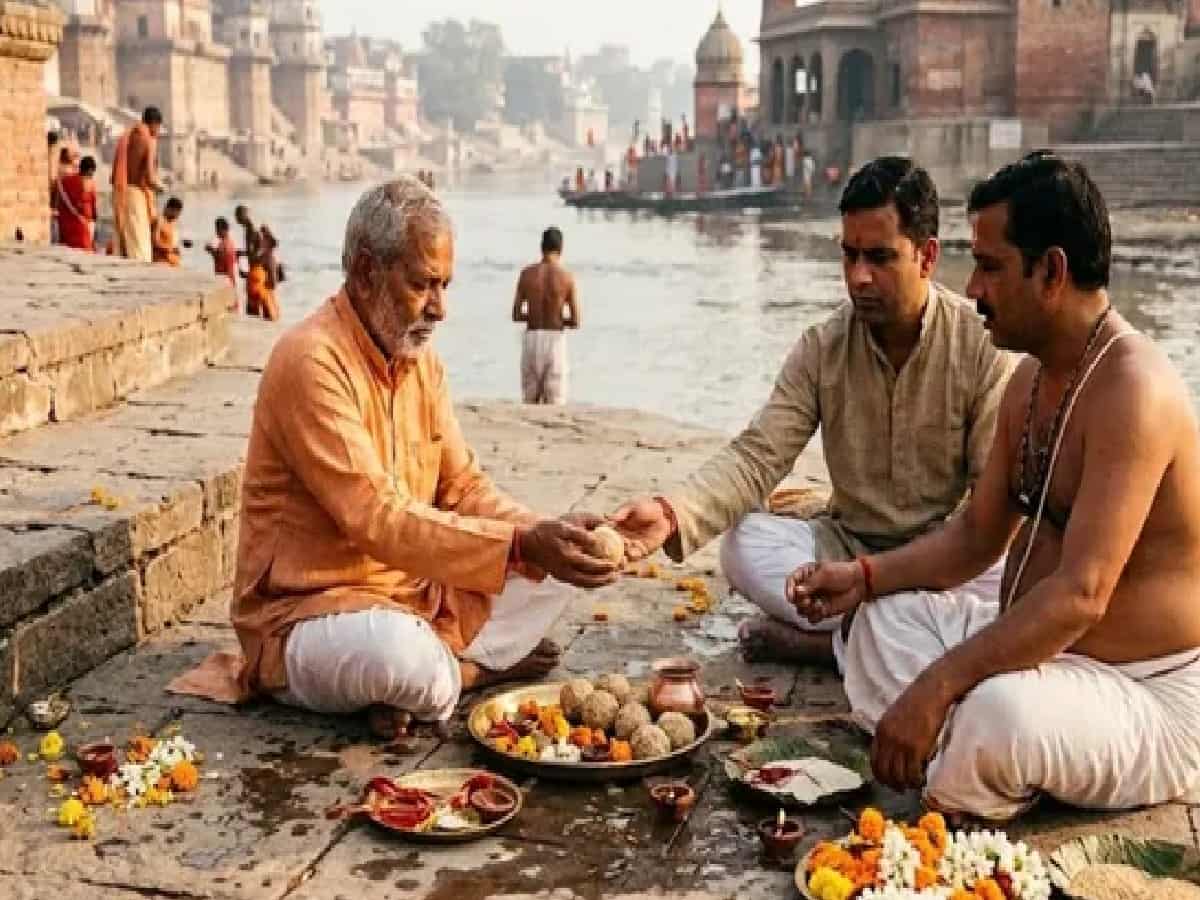
In Vedic traditions, the observance of Pitru Paksha stands as the most vital fortnight dedicated to honoring departed ancestors and securing their spiritual liberation. Among all pilgrimage destinations across the Indian subcontinent, the ancient district of Gaya in Bihar is revered in sacred scriptures as the ultimate 'Pitru Tirtha.' As detailed in the Garuda Purana and Vayu Purana, performing Shraddha, Tarpan, and Pind Daan on this sacred soil releases wandering souls from karmic entanglements, freeing them from the cyclical wheel of rebirth (samsara) and ushering them into heavenly abodes. Every year, millions of devotees undertake pilgrimages to Gaya to fulfill their filial and ancestral obligations.
Seven Generations Attain Moksha: What the Garuda Purana and Ramayana Reveal
Scriptural revelations in the Garuda Purana emphasize that offering Pind Daan with devotion and pure intentions in Gaya liberates up to seven preceding generations of lineage ancestors on both maternal and paternal sides. The land carries deep historical and epic significance; according to the Valmiki Ramayana, Mother Sita performed the holy Pind Daan ritual for King Dasharatha using sand balls on the banks of the sacred Phalgu River during her exile with Lord Rama. The ritual is deemed uniquely potent for souls who suffered unnatural, accidental, or untimely deaths (Akaal Mrityu), as well as those who have no surviving kin to perform annual rites, liberating them immediately from lower astral realms (Preta Yoni).
Eradicating Pitru Dosha: Cleansing Astrological Blocks and Life Obstacles
For individuals afflicted with severe Pitru Dosha—an astrological affliction believed to manifest through recurring financial roadblocks, delayed marriages, chronic illnesses, or domestic strife—performing Vedic Shraddha in Gaya is prescribed as the ultimate remedial measure. Offering water, black sesame seeds, and sacred barley pinds in accordance with Shastric codes appeases restless ancestral spirits, converting ancestral distress into enduring divine blessings. Devotees witness the clearing of longstanding life hurdles and the restoration of familial peace and prosperity once the ancestral lineage is spiritually satisfied.
Vishnupad Temple and Lord Gadadhara: The Divine Footprint of Eternal Salvation
At the heart of Gaya’s spiritual magnetism lies the revered Vishnupad Temple, situated alongside the mystical subterranean waters of the Phalgu River. Religious lore documents that Lord Vishnu manifested directly on this soil in the divine warrior form of Gadadhara to subdue the demon Gayasura, leaving his sacred footprint permanently embedded in solid basalt rock. Laying sanctified Pind offerings directly upon Lord Vishnu’s footprint ensures immediate liberation for ancestral souls, cementing Gaya’s eternal standing as the definitive gateway to salvation.