







Fines Hogar Technologies ₹1 Lakh and Issues Notices over 16,970 Illegal E-Commerce Listings
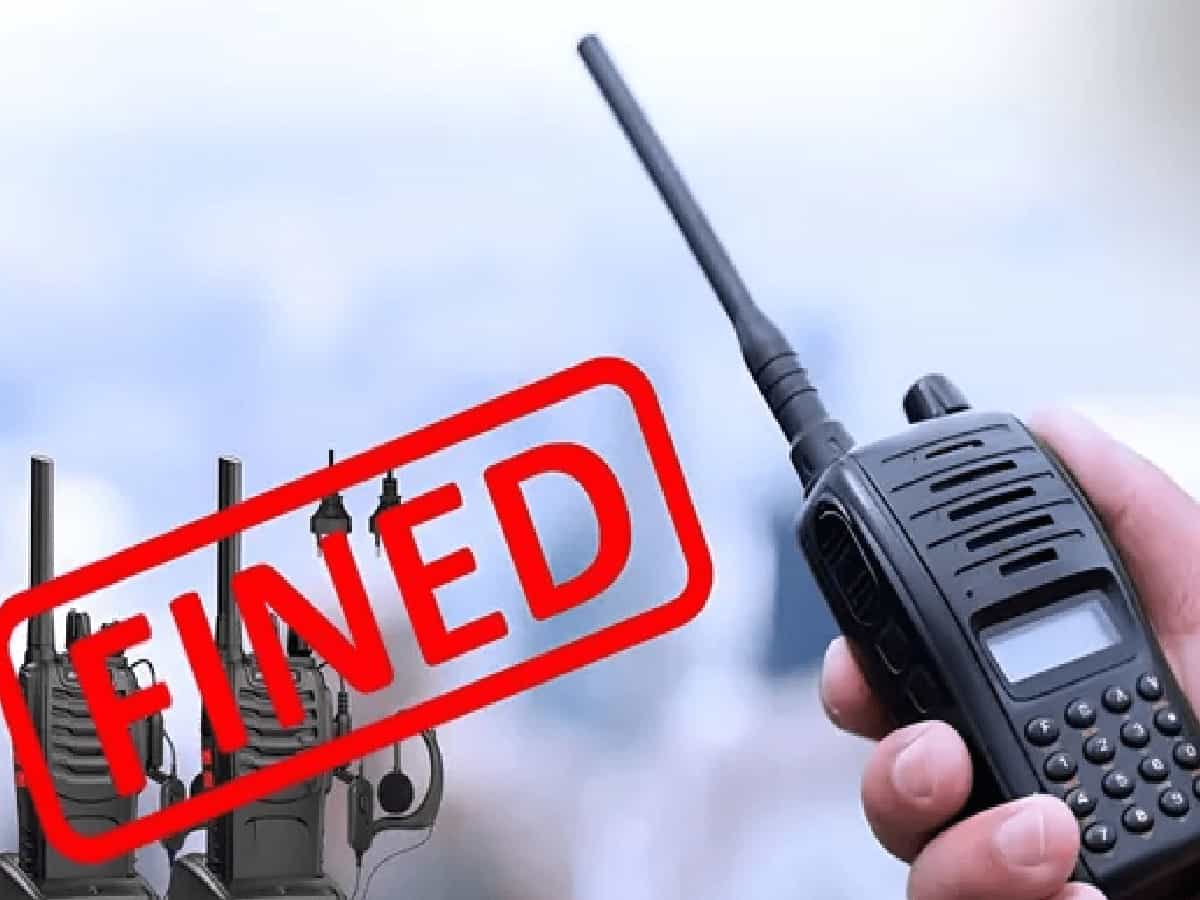
In a sweeping regulatory action to protect consumers from misleading digital product advertisements, the Central Consumer Protection Authority (CCPA) has imposed a financial penalty of ₹1 lakh on walkie-talkie manufacturer Hogar Technologies and Innovations LLP. The consumer watchdog took punitive action against the tech company for failing to transparently disclose vital operational details, including radio frequency bands, government licensing mandates, and necessary statutory regulatory approvals, across its commercial promotions and online catalogs. The crackdown is part of an ongoing enforcement initiative spearheaded by the Ministry of Consumer Affairs, Food and Public Distribution targeting unauthorized and non-compliant wireless communication device listings proliferating across India's largest e-commerce marketplaces.
Massive E-Commerce Probe: Over 16,970 Non-Compliant Listings Flagged Across 13 Platforms
The investigation conducted by the CCPA exposed extensive regulatory oversights within major retail platforms:
-
Scale of Violations: The authority identified over 16,970 individual product listings of walkie-talkie transceivers on prominent online marketplaces that directly breached established statutory norms and spectrum management guidelines.
-
Notices Served to Top Retailers: Formal regulatory show-cause notices were issued to 13 leading e-commerce platforms, including Amazon, Flipkart, Meesho, Meta, JioMart, IndiaMART, and TradeIndia, for hosting unverified telecommunication equipment.
-
₹58 Lakh in Aggregate Penalties: To date, the apex consumer rights authority has issued final binding orders against 12 commercial entities and related vendor networks, levying cumulative fines amounting to ₹58 lakh for deceptive advertising and unfair trade practices.
CCPA Rejects Company Defense: Pre-Purchase Information Disclosure Is Mandatory
During administrative hearings, the manufacturer attempted to defend its digital marketing practices before the regulator:
-
The Company's Contention: Hogar Technologies argued that it held valid regulatory certifications and maintained that its web portal functioned primarily as an informational showcase rather than a direct-to-consumer digital point-of-sale portal.
-
The Regulator's Rebuttal: The CCPA rejected this argument, ruling that possessing underlying government approvals does not exempt a manufacturer from disclosing essential legal prerequisites to the general public prior to purchase.
-
Preventing Consumer Deception: The regulatory authority emphasized that omitting mandatory licensing prerequisites creates a false impression among prospective buyers that commercial walkie-talkie equipment can be acquired and operated freely without formal government licenses.
Understanding India's Licensing Rules: Which Walkie-Talkies Are Truly License-Free?
Under the prevailing regulatory framework administered by the Department of Telecommunications (DoT) and clarified by the Ministry:
-
License-Exempt Band (446.0 to 446.2 MHz): Only personal mobile radio (PMR) devices operating strictly within the designated frequency range of 446.0 MHz to 446.2 MHz are exempt from mandatory individual wireless licensing, subject to compliance with power output and antenna specifications.
-
Restricted Frequencies Demand Statutory Clearances: Any walkie-talkie, two-way radio, or transceiving set transmitting on frequencies outside the 446.0–446.2 MHz window requires prior operational authorization, frequency allocation, and user licenses issued by the Wireless Planning and Coordination (WPC) wing.
-
Consumer Advisory: Buyers purchasing walkie-talkies for security, hospitality, event management, or personal use must inspect the device's technical specifications, verify the exact operating frequency band, and ensure full compliance with regulatory permissions before completing transactions.




