







Delimitation Bill 2026: Shah's 50% Seat Formula Sparks Congress Row
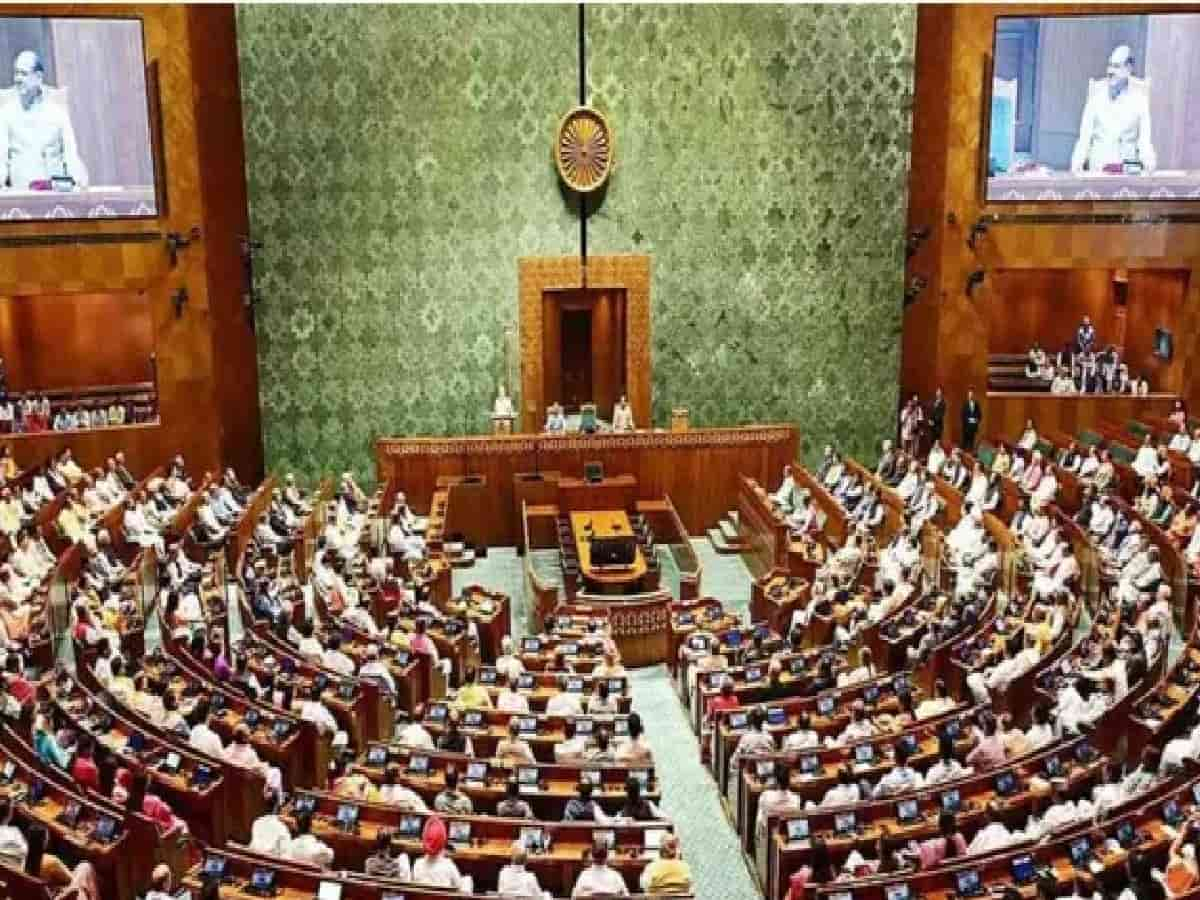
Fresh political debate has erupted in New Delhi over whether the Central Government will soon convene a special session of Parliament to secure passage of the Delimitation Bill, 2026, and its accompanying Constitution Amendment Bill linked to implementing the Women’s Reservation Act, 2023 ahead of the 2029 general elections. According to government sources cited in media reports, including The Times of India, the Centre is actively considering calling a brief special sitting and has expressed confidence that it now commands a cushion of 15 to 18 votes above the required constitutional threshold. However, no formal announcement regarding the dates or duration of the proposed session has been issued, and sources emphasize that multiple legislative options remain under review. Meanwhile, the opposition Indian National Congress has strongly pushed back against the government’s projections, with senior Congress leader Jairam Ramesh accusing Union Home Minister Amit Shah of overstating the ruling coalition’s parliamentary strength and recalling the government’s legislative setback on the same measure seven months ago.
The Government's Plan: Expanding Lok Sabha to 850 Seats and Parliamentary Math
At the center of the legislative exercise is the constitutional mechanism required to operationalize 33 percent reservation for women in the Lok Sabha and state legislative assemblies before the 2029 parliamentary polls. Under the framework of the Nari Shakti Vandan Adhiniyam (Women’s Reservation Act, 2023), women’s reservation can take effect only after a fresh census and a subsequent delimitation exercise redraw constituency boundaries. To enable this transition based on the 2011 Census, the proposed Constitution Amendment Bill seeks to raise the maximum permissible strength of the Lok Sabha from the current 543 seats to up to 850 seats.
Clearing such a constitutional amendment presents a steep numerical test under Article 368 of the Constitution, which mandates both a majority of the total membership of the House and a two-thirds majority of members present and voting. In the 543-member Lok Sabha—where three seats are currently vacant, leaving an effective strength of 540—securing a full-house two-thirds majority requires 361 votes. Observers in New Delhi note that the government retains the procedural flexibility to summon Parliament at short notice because the Monsoon Session, during which both Houses were adjourned sine die on August 13, 2026, has still not been formally prorogued. Having remained unprorogued for over 91 days, the current session has surpassed the previous record of 87 days set in 2008, a procedural status that experts note is constitutionally permissible and allows the House to be reconvened quickly without issuing a fresh presidential summons for a brand-new session.
Amit Shah's 50 Percent Seat Formula: Addressing Southern States' Concerns
A major political obstacle to delimitation has been deep apprehension among southern states—including Tamil Nadu, Kerala, Karnataka, Andhra Pradesh, and Telangana—that redrawing constituencies strictly according to recent population figures would substantially increase the seat share of populous northern states such as Uttar Pradesh and Bihar while eroding the proportional representation of southern states that successfully stabilized population growth. To bridge this regional divide during consultations with opposition parties and regional leaders in April 2026, Union Home Minister Amit Shah outlined a compromise formula proposing a uniform 50 percent increase in Lok Sabha seats across all states.
As detailed during Shah’s intervention in the Lok Sabha in April 2026, the 50 percent expansion model would raise total Lok Sabha seats from 543 to roughly 815 or 816 within a broader constitutional ceiling of 850, while preserving the existing inter-state seat ratios established under the 1971 Census. Under that illustrative calculation presented by the Home Ministry, the combined representation of the five southern states would rise from 129 seats to 195 seats—increasing their proportional share slightly from 23.76 percent to 23.87 percent—with Tamil Nadu moving from 39 to 59 seats, Karnataka from 28 to 42, Andhra Pradesh from 25 to 38, and Telangana from 17 to 26. Although the version of the Delimitation Bill introduced in April did not incorporate this explicit 50 percent proportional clause, reports indicate that the Centre is now weighing an amendment codifying Shah’s assurance to reassure southern parties and hesitant allies, though officials maintain that no final decision has been taken.
Congress Hits Back: Jairam Ramesh Recalls April 17 Lok Sabha Setback
Responding sharply to reports of an impending special sitting, Congress general secretary and communications chief Jairam Ramesh dismissed the government’s claims of having secured a majority. In a statement posted on social media platform X on Thursday, November 12, Ramesh alleged that Union Home Minister Amit Shah had revived the delimitation issue during an informal conversation with a group of journalists, suggesting that a three-day special session would soon be called and that the bills would pass by a margin of 15 to 18 votes.
Ramesh countered that the Home Minister had made the exact same projection seven months earlier before suffering a decisive setback on the floor of the Lok Sabha on April 17, 2026. During that special sitting of the Budget Session, when the Constitution Amendment Bill was put to a vote with 528 MPs participating, it secured 298 votes in favor against 230 opposed—falling short by 54 votes of the 352 two-thirds threshold required on that day. Referring to that defeat, Ramesh characterized Shah as a "master of bluff and bluster" and declared that "his bulldozer did not work then and will not work again". Earlier in the week, Ramesh had also accused the government of deliberately delaying the prorogation of the Monsoon Session to buy time to assemble a two-thirds majority, while opposition leaders like Shashi Tharoor have previously argued against linking women’s reservation to delimitation.
What Lies Ahead for Women's Reservation Before the 2029 Elections
With the Winter Session of Parliament approaching and political alignments across northern and southern India under close scrutiny, the fate of the Delimitation Bill, 2026 hinges on whether the government can translate informal consultations into formal two-thirds floor support. Incorporating Amit Shah’s 50 percent proportional seat formula into the revised legislation could test the cohesion of opposition parties—particularly regional outfits in southern states whose primary objection centered on losing federal weightage. Until the government issues a formal parliamentary bulletin specifying dates and final legislative text, both the ruling National Democratic Alliance and the opposition remain locked in an intense battle over parliamentary arithmetic and federal representation.




