







Clean Air Could Save 9 Million Lives Yearly: Cambridge Study
More than nine million premature deaths could be prevented each year across developing economies if low- and middle-income nations align their domestic environmental policies with the World Health Organization’s clean air benchmarks. The landmark findings, published in the peer-reviewed journal Environment International, stem from an extensive global epidemiological investigation conducted by researchers from the University of Cambridge alongside leading international scientific bodies. By evaluating atmospheric pollution exposure, demographic burdens, and healthcare outcomes across 136 developing nations, the research team established that curbing ambient airborne toxins provides an immediate pathway toward reducing avoidable mortality, alleviating national disease burdens, and generating trillion-dollar economic dividends.
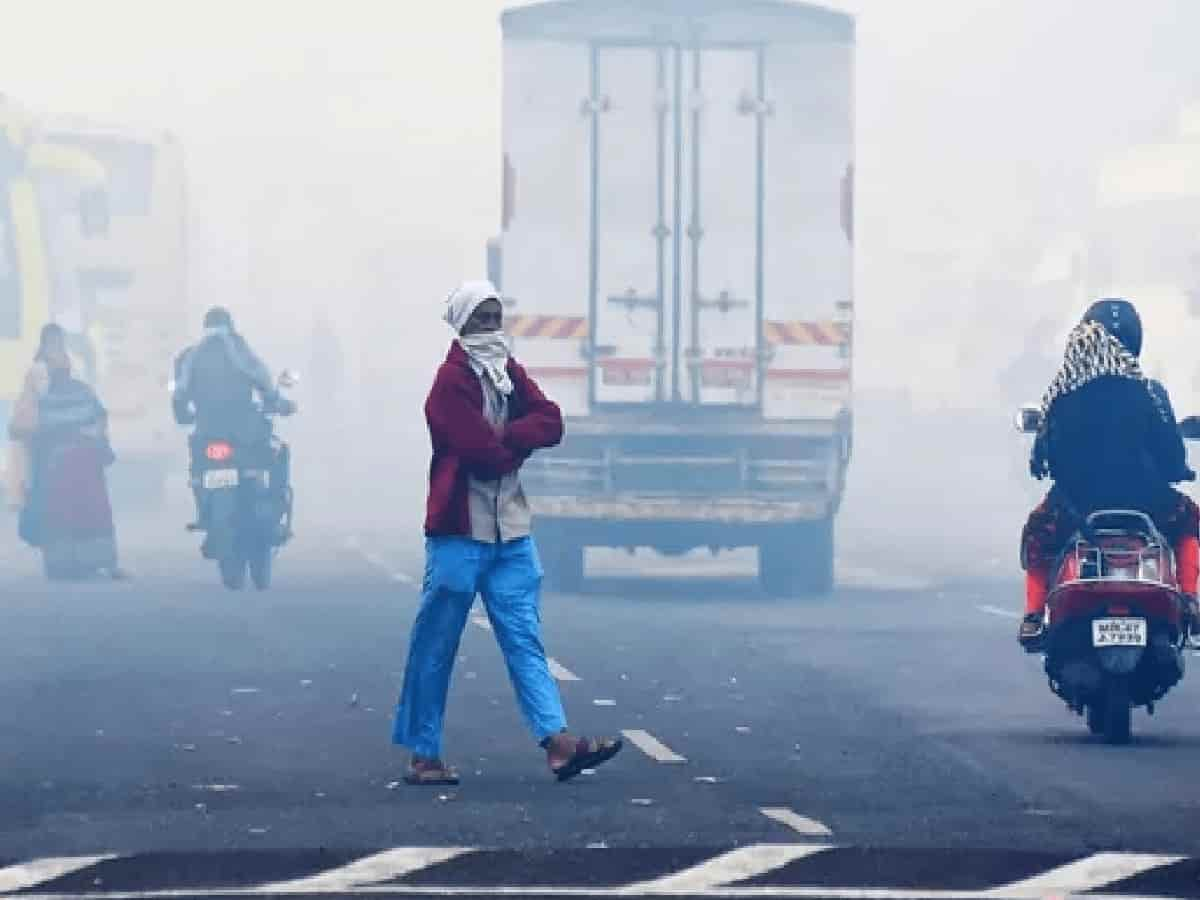
The global burden of toxic air falls with disproportionate severity upon expanding urban populations across South Asia, Africa, and Latin America, where rapid industrialization and automobile density often outpace environmental regulation. While high-income regions have made measurable progress in mitigating particulate output through structural clean energy transitions, developing economies continue to endure intense atmospheric concentrations of fine particulate matter and toxic gaseous emissions. Dr. Annalan Navaratnam, clinical research fellow at the University of Cambridge’s MRC Epidemiology Unit and lead author of the investigation, emphasized that controlling air pollution delivers far more than clinical improvements; it acts as a transformative catalyst that uplifts human longevity, protects vulnerable household finances, and elevates societal well-being across the world’s most populous regions.
Understanding WHO Benchmarks: The Dangers of Fine PM2.5 and Toxic NO2
The research modeled the global benefits of meeting the revised Air Quality Guidelines established by the World Health Organization, which recommend that average annual ambient concentrations of fine particulate matter (PM2.5) not exceed 5 micrograms per cubic meter, while nitrogen dioxide (NO2) should remain capped at 10 micrograms per cubic meter. Particulate Matter 2.5 represents microscopic airborne combustion fragments measuring 2.5 micrometers or smaller in aerodynamic diameter—less than a fraction of the width of a human hair. Because of their sub-micron dimensions, these fine particles easily bypass the natural mucosal filtration systems of the upper respiratory tract, penetrating deep into the pulmonary alveoli and crossing the delicate alveolar-capillary barrier into systemic blood circulation.
The primary vectors driving dangerous PM2.5 spikes across urban centers include vehicular tailpipe exhaust, coal-fired thermal generation, unregulated industrial smokestack emissions, biomass burning, and seasonal agricultural residue clearing. Meanwhile, nitrogen dioxide represents a caustic reactive gas produced overwhelmingly by fossil fuel combustion inside internal combustion engines and high-temperature manufacturing furnaces. Inhaled over prolonged intervals, nitrogen dioxide inflames airway linings, impairs natural lung defenses, and accelerates photochemical smog production. When these dual pollutants saturate ambient air, they trigger extensive chronic cellular inflammation throughout human vascular and pulmonary systems.
Slashing Chronic Illness: Millions of Heart, Lung, and Brain Disorders Averted
The epidemiological models reveal that reaching the WHO's targeted PM2.5 thresholds would dramatically suppress the incidence of debilitating non-communicable diseases that overwhelm municipal hospital networks. According to the study's quantitative projections, achieving universal compliance with the WHO guidelines would prevent an estimated 7.3 million new cases of ischemic heart disease annually. Ischemic heart disease, characterized by the progressive narrowing of coronary arteries and diminished blood and oxygen perfusion to myocardial tissue, represents the leading single cause of global cardiovascular mortality. The data also projects that cleaner skies would eliminate approximately 2.3 million stroke events each year by mitigating arterial inflammation, vascular clotting, and hypertensive blood pressure surges linked to micro-particle inhalation.
Beyond cardiovascular crises, the respiratory and neurological protections documented by the Cambridge research team are staggering. Full realization of clean air benchmarks would prevent 2.82 million new annual cases of Chronic Obstructive Pulmonary Disease (COPD)—a progressive, incurable pulmonary condition that obstructs bronchial airflow and causes debilitating shortness of breath. Furthermore, the study links fine particulate exposure directly to long-term cognitive decline, calculating that meeting recommended air quality standards would avert 1.1 million new cases of dementia each year. By demonstrating that airborne toxins actively penetrate the blood-brain barrier to accelerate neurodegenerative processes, the findings establish clean air as an indispensable requirement for lifelong neurological health.
The Multitrillion-Dollar Economic Dividend of Clean Air in Developing Nations
A central finding of the research is that atmospheric remediation functions as an economic multiplier rather than a financial drag on developing economies. Environmental detractors have historically claimed that stringent air standards choke economic output, but the Cambridge data indicates the exact opposite. The study reveals that fully achieving the WHO Air Quality Guidelines would yield an astonishing annual economic saving of $8.4 trillion across low- and middle-income nations, equivalent to approximately 10.7 percent of their aggregate Gross Domestic Product.
Even when assessing partial, pragmatic milestones, the macroeconomic returns remain transformative. Reaching the WHO Interim Target 3 for PM2.5—a pragmatic stepping stone for developing nations—would reduce annual global deaths by 16.04 percent (saving roughly 6.58 million lives) while generating $5.5 trillion in economic savings, representing 7 percent of combined developing-world GDP. The study calculates these figures using purchasing power parity (US$), capturing the monetary value of statistical lives saved alongside tangible reductions in emergency medical expenditures and direct productivity rebounds. By preventing chronic illness, developing economies would slash billions in clinical treatments while reclaiming millions of productive labor hours previously lost to absenteeism, early disability, and informal family caregiving burdens.
A Decisive Scientific Mandate for Global Energy and Urban Planning Reforms
The publication of the Cambridge-led findings delivers a powerful scientific imperative for municipal authorities, national policymakers, and multilateral lending agencies worldwide. Co-author Dr. Haneen Khreis noted that while achieving strict WHO guidelines will require complex infrastructure shifts, expanding urban centers have an unprecedented window of opportunity to design resilient, human-centered public transit networks, phase out unabated coal power, and decarbonize industrial manufacturing. As nations expand urban grids and invest in post-industrial logistics, decoupling economic growth from environmental degradation emerges as the defining developmental challenge of the century.
By quantifying both the biological and balance-sheet consequences of dirty air, the research reframes environmental protection from an idealistic goal into an urgent economic necessity. The evidence proves that breathing clean air is not merely a secondary public health luxury, but a cornerstone of economic development that can preserve millions of human lives, prevent chronic neurological and vascular diseases, and protect national economic output for generations to come.




