







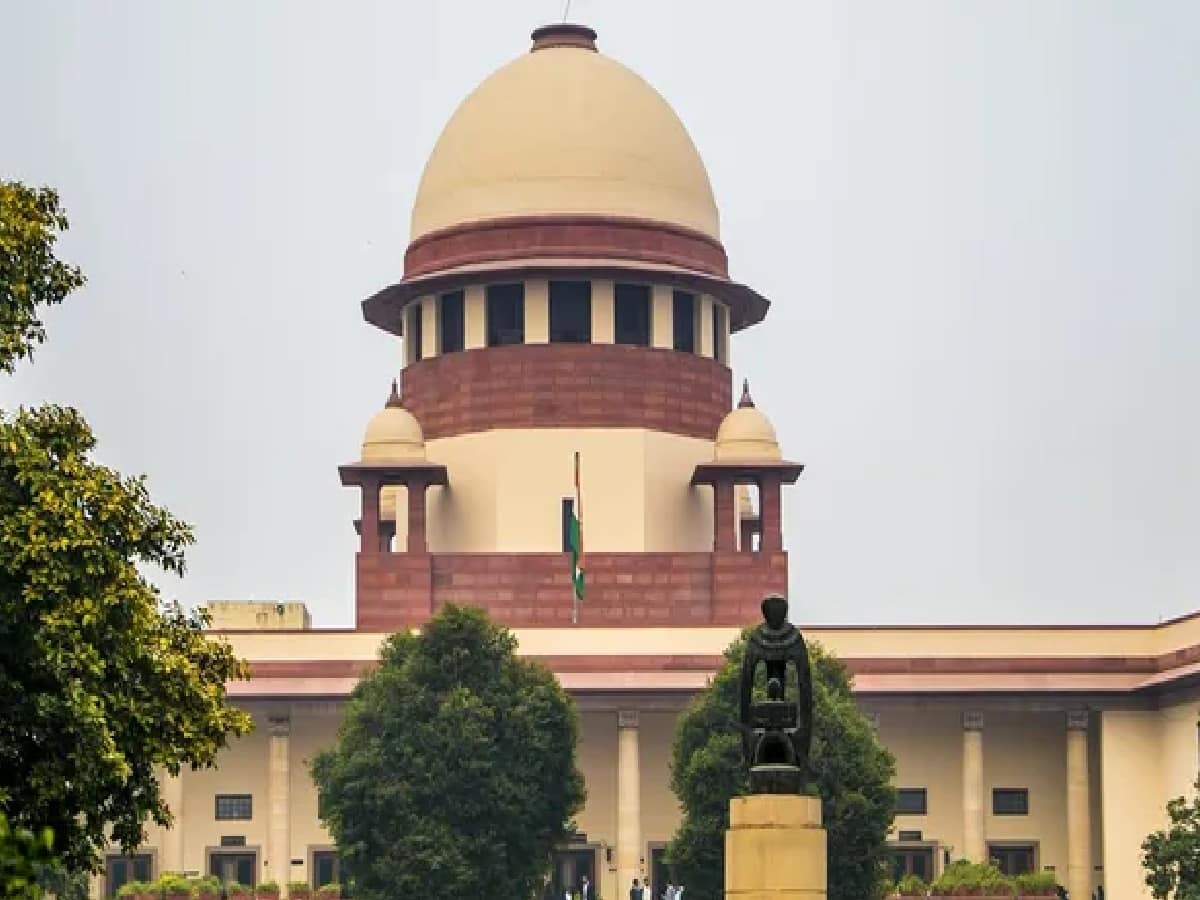
Centre Vows Supreme Court Action on Private Hospital Overcharging
In a candid admission before the country's apex judicial bench, the Central Government has acknowledged that private hospitals across India are engaging in rampant malpractices by levying exorbitant Maximum Retail Prices (MRPs) on essential medicines and disposable surgical consumables. Responding to a public interest litigation (PIL) pressing for universal price regulation across all pharmaceutical therapies and medical equipment, the Ministry of Chemicals and Fertilizers submitted an affidavit recognizing that profound information asymmetry and virtually non-existent bargaining power leave desperate patients vulnerable to predatory institutional billing. While India retains a global reputation as an affordable pharmacy manufacturing high-grade generic treatments at rock-bottom production costs, the government conceded that hospital procurement networks deliberately bypass free-market competition by opting for products bearing inflated MRP tags, forcing captive patients to absorb crushing out-of-pocket medical bills during life-threatening health emergencies.
Predatory Markups Exposed: Up to 700% Profit on Cancer Therapies and 1,000% on Consumables
Laying bare the systemic mechanics of clinical profiteering, the government disclosed to the Supreme Court that institutional healthcare providers routinely partner with pharmaceutical suppliers offering the widest trade margins, later billing bedridden patients at peak MRP without passing along negotiated bulk discounts. The regulatory filing revealed that trade margins on vital anti-cancer formulations range from 170 percent to an astonishing 700 percent or higher over ex-factory costs, turning life-saving oncology care into an insurmountable financial ordeal for ordinary citizens. An identical pattern of artificial inflation dominates basic clinical consumables—such as syringes, IV sets, surgical gloves, and catheters—where markup margins frequently oscillate between 100 percent and 1,000 percent above base production expenditure. Because market dynamics fail to protect patients who cannot compare or negotiate costs from hospital beds, the Centre informed the bench that it has launched extensive multi-stakeholder consultations to establish concrete regulatory guardrails and eliminate institutional markups.
935 Drugs Already Capped: Countering Medical Debt that Pushes 60 Million into Poverty
Highlighting regulatory interventions taken so far, the central government submitted that statutory authorities have fixed ceiling prices for 935 scheduled formulations and set retail limits on 3,881 newly introduced therapeutics under the Drug Price Control Orders (DPCO). The apex court's rigorous review follows a persistent legal initiative spearheaded by petitioner Dr. Sanjay Kulshrestha, who underscored severe warnings from a NITI Aayog appraisal and a 2020 parliamentary statement by former Union Health Minister Dr. Harsh Vardhan revealing that debilitating healthcare expenses drag approximately 60 million (6 crore) Indian families beneath the poverty threshold every year. Assuring the Supreme Court that an actionable roadmap is in motion to bridge regulatory gaps across unmonitored consumables and artificial trade margins, the central administration affirmed its commitment to dismantling exploitative clinical pricing models and ensuring that essential medical care remains accessible without driving families into chronic generational debt.




