







Centre Directs Five States to Work in Mission Mode as Air Quality Threat Looms Over Delhi-NCR
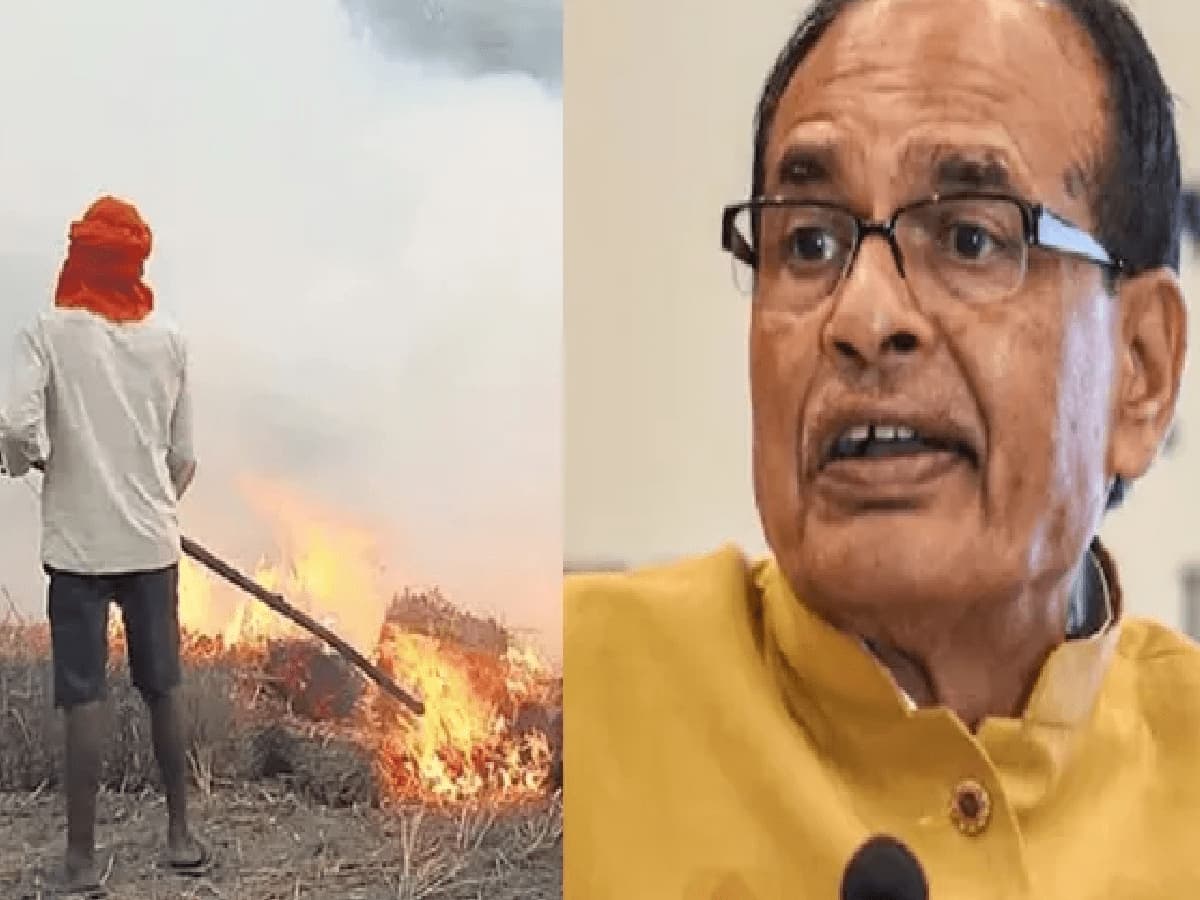
Taking a decisive stance ahead of the critical post-harvest window, the Central Government on Tuesday directed authorities across Punjab, Haryana, Uttar Pradesh, Rajasthan, Madhya Pradesh, and the National Capital Region (NCR) to enforce crop residue management protocols in mission mode. The urgent instructions were issued during a high-level inter-ministerial review meeting co-chaired by Union Agriculture Minister Shivraj Singh Chouhan and Environment Minister Bhupender Yadav in New Delhi. Emphasizing that agricultural fires severely deplete vital soil nutrients, eradicate beneficial microbial biodiversity, and trigger severe air pollution spikes across Delhi-NCR, the Centre called for swift field execution by District Magistrates to eliminate open-field farm fires before the seasonal peak.
Field Action Over Paperwork: Critical 25-Day Window Between Paddy Harvest and Wheat Sowing
With agricultural transitions underway across northern and central crop belts, central ministers underlined the operational urgency facing district administrations:
-
Urgent Administrative Push: Both Union Ministers instructed state agriculture departments and district collectors to bypass routine bureaucratic formalities, mandating immediate coordination meetings with field teams to intensify drone and ground surveillance across high-risk fire clusters.
-
Narrow Sowing Window: Agricultural scientists note that farmers operate within a tight 20-to-25-day turnaround between harvesting paddy and preparing seedbeds for winter wheat crops, making mid-October to mid-November the single most decisive window for containment.
-
Viable Economic Alternatives: Emphasizing that penal notices alone cannot resolve farm fires, Agriculture Minister Shivraj Singh Chouhan urged states to provide accessible machinery and promote stubble utilization for organic manure, bio-CNG plants, bio-ethanol production, biomass thermal power generation, and commercial cattle fodder.
Mixed Ground Trends: Fires Decline in Haryana and UP but Surge in MP and Rajasthan
Reviewing real-time satellite data logged between September 15 and October 12, the Centre identified divergent operational patterns across states:
-
Substantial Reductions in Northern States: Stubble burning incidents registered a sharp 53.3 percent decline in Haryana compared to the corresponding period last year, alongside a 32 percent drop across Uttar Pradesh, with Punjab also recording a downward trend.
-
Alarming Spikes in Central India: Conversely, farm fire incidents in Madhya Pradesh jumped 452 percent, climbing from 55 to 277 recorded cases, while Rajasthan registered a 200 percent surge from 20 to 60 incidents.
-
Targeted Village Action Plans: Terming the sharp escalation in MP and Rajasthan an urgent environmental concern, Chouhan ordered both state administrations to draft and deploy micro-level operational blueprints focusing on vulnerable villages and chronically defaulting tehsils.
Over ₹4,266 Crore Released: Mechanization Drive and Crop Residue Machinery Deployment
Detailing central fiscal and technological support extended to farming states to curb seasonal air degradation:
-
Over 3.5 Lakh Machines Distributed: The Central Government has supplied more than 354,000 specialized crop residue management machines to agrarian states to date, including the direct deployment of 26,109 modern machines during the current financial year.
-
Fiscal Allocations Since 2018: Under the flagship Crop Residue Management Scheme between 2018-19 and 2025-26, the Centre released ₹4,266.47 crore in direct subsidies and equipment procurement grants.
-
State-Wise Funding Distribution: Of the cumulative funds, Punjab received the primary share of ₹2,056.50 crore, followed by Haryana at ₹1,171.71 crore, Uttar Pradesh at ₹868.67 crore, and Madhya Pradesh receiving ₹59 crore to establish custom hiring centers and mechanize stubble clearance.




