







CCPA Fines Ola ₹10 Lakh Over Advance Tip 'Dark Pattern'
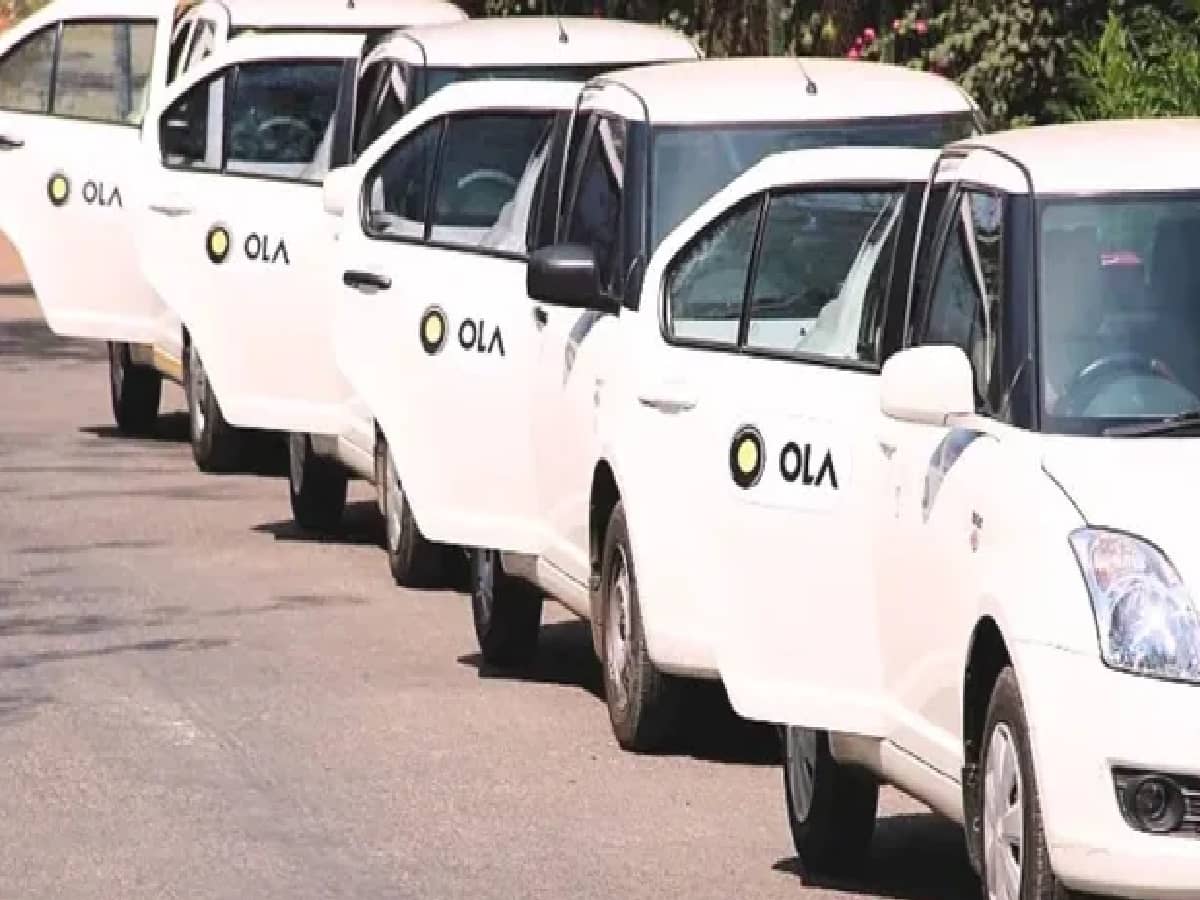
Daily commuters across India’s major cities—from New Delhi, Mumbai, and Bengaluru to Lucknow, Hyderabad, and Pune—have long voiced frustration over ride-hailing apps nudging them to pay extra money upfront just to secure a cab or auto-rickshaw. Stepping in decisively to protect digital consumers, the Central Consumer Protection Authority (CCPA) has imposed a monetary penalty of ₹10 lakh on ANI Technologies Private Limited, the parent company of leading Indian ridesharing platform Ola Cabs. Passed by a regulatory bench comprising Chief Commissioner Nidhi Khare and Commissioner Anupam Mishra, the order holds that Ola’s practice of prompting users to pay an advance "tip" or "add-on" before a driver even accepts the ride constitutes a misleading advertisement, an unfair trade practice, and a prohibited "dark pattern" under Indian consumer protection law. Alongside the ₹10 lakh fine—the maximum statutory penalty prescribed for a first-time contravention—the watchdog has ordered the company to immediately dismantle all pre-ride tipping prompts, pre-set extra fare buttons, and psychologically coercive interface designs across its mobile app and digital platforms.
Why CCPA Fined Ola ₹10 Lakh for Pre-Ride 'Tip' Prompts
The regulatory action stems from a consumer complaint registered in May 2025 highlighting how Ola’s booking interface encouraged passengers to add an extra payment while searching for a cab. During the booking flow, the app displayed messages such as "Adding a tip might help increase the chances of getting a ride faster" and "Improve your chances of quicker ride confirmation!" paired with pre-set payment options of ₹20, ₹30, ₹40, and ₹50. Following a detailed investigation, the CCPA concluded that persuading commuters to pay above the disclosed upfront fare on the unverified promise of faster ride confirmation violates the Consumer Protection Act, 2019, the Guidelines for Prevention and Regulation of Dark Patterns, 2023, and the Guidelines for Prevention of Misleading Advertisements and Endorsements for Misleading Advertisements, 2022.
Specifically, the authority classified Ola’s interface design as "confirm shaming"—a recognized dark pattern in which digital platforms use suggestive wording or subtle psychological pressure to steer users into making financial choices they would not otherwise make. Regulators emphasized that in genuine service etiquette, a tip is a voluntary expression of appreciation offered by a customer after experiencing satisfactory service. Soliciting a tip before a journey even begins distorts the basic concept of voluntary tipping and creates a misleading impression that passengers must pay a hidden surcharge to access a standard service.
What Must Change on the Ola App Within 15 Days
Under the operative directions of the CCPA order, ANI Technologies has been instructed to immediately discontinue displaying any prompt, message, interface element, or pre-set amount that nudges, solicits, or pressures consumers into paying extra money prior to the completion of a trip. Crucially, the regulator framed its directive broadly so that the platform cannot bypass the order simply by renaming the feature. Whether labeled as a "tip," "voluntary add-on," "additional fare," or any similar term, all pre-ride requests for payment above the upfront booking fare must be removed forthwith.
The order specifically bars interface messages such as "Tip now to boost the chances of getting a ride sooner," "Choose to Add On – Entire amount goes to your driver," "Chosen voluntary Add On applied. Getting you the quickest ride to your destination," and "Generous Add On! Please re-confirm," along with any comparable variations across Ola’s apps and websites. The CCPA has granted ANI Technologies 15 days from the receipt of the order to deposit the ₹10 lakh penalty and submit a formal compliance report confirming that all offending interface elements have been permanently removed.
Why Ola's Defense Failed and Impact on Vulnerable Commuters
During the proceedings before the regulator, Ola defended its feature by arguing that it merely provided riders with an optional mechanism to voluntarily reward drivers and that 100 percent of the tip amount was transferred directly to the driver. The company further contended that ride allocation and driver acceptance were governed by standardized automated algorithms that did not factor in whether a customer had added a tip, insisting that all users enjoyed equal access to cabs regardless of additional payments. Although Ola informed the authority that it had tweaked its user interface to present the extra payment as an optional add-on, the CCPA noted that the platform failed to submit any backend technical documentation proving that tipping had no influence on ride matching.
In fact, operational data examined during the inquiry undermined Ola’s own claims—for instance, booking figures from Bengaluru showed lower ride acceptance rates on requests carrying an add-on (39 percent) compared to standard requests without an add-on (68 percent), demonstrating that paying extra did not guarantee faster ride confirmation. Equally troubling to the regulator was where these prompts frequently appeared. Booking records showed that advance tip nudges were heavily triggered for rides originating from hospitals, railway stations, inter-state bus terminals, and airports. The CCPA observed that patients seeking medical care, senior citizens, travelers managing heavy luggage, and individuals commuting alone late at night are especially vulnerable in urgent transit situations and face heightened psychological pressure to pay unwarranted surcharges.
Wider Crackdown on Ride-Hailing Apps Across India
The ₹10 lakh penalty against Ola forms part of a broader regulatory crackdown by the CCPA against deceptive user-interface practices across India’s app-based mobility sector. Earlier, the consumer watchdog passed a similar order imposing a ₹10 lakh fine on bike-taxi and auto aggregator Rapido (Roppen Transportation Services Pvt. Ltd.) over advance tipping prompts, while formal proceedings against Uber and Namma Yatri remain under active investigation. For millions of everyday commuters across New Delhi, Lucknow, Bengaluru, Mumbai, and other urban centers, the ruling reinforces a fundamental consumer right: the fare displayed at the time of booking must be transparent, honest, and free from manipulative digital nudges.




