BJP Shreds Rahul Gandhi’s EC Collusion Allegation, Cites Decades of State-Level Losses
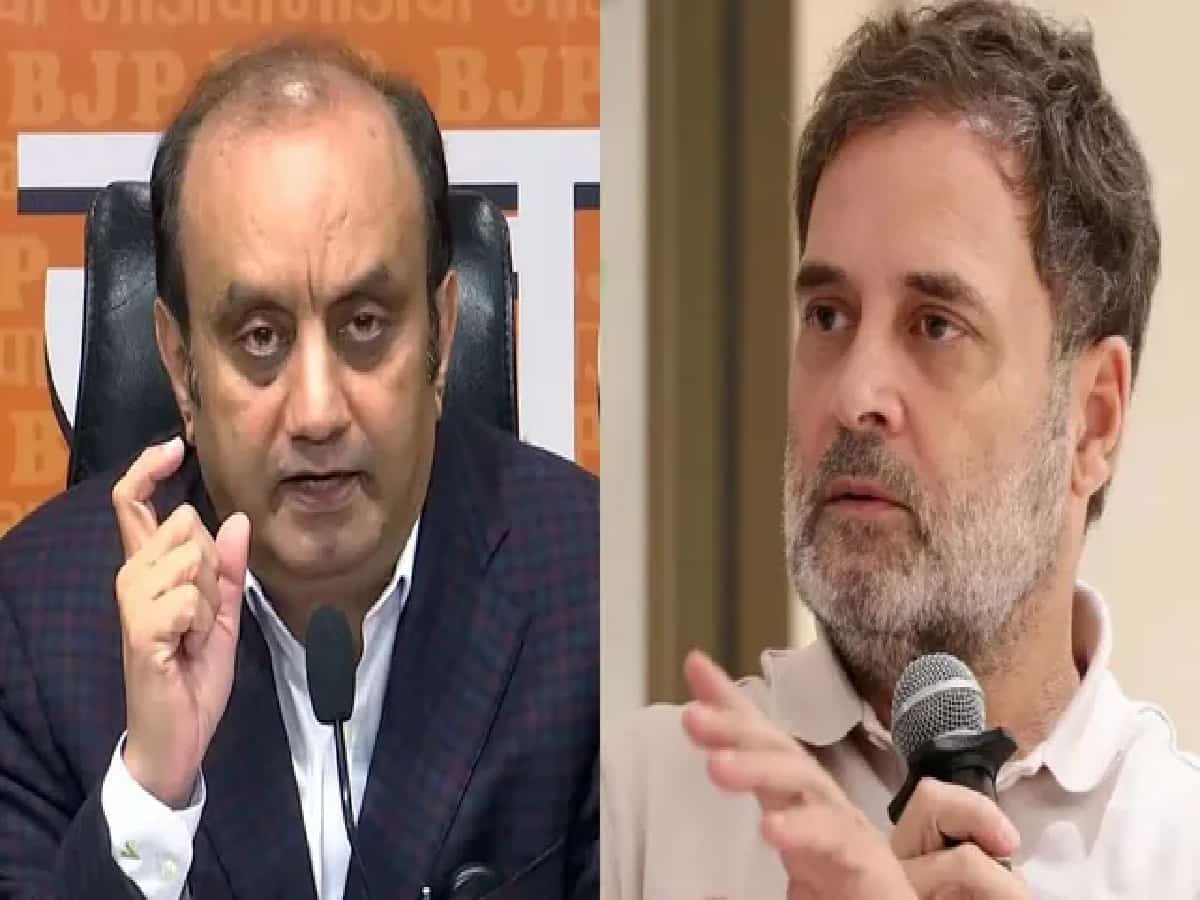
A fierce political face-off erupted in the national capital following sharp accusations leveled by Leader of Opposition in the Lok Sabha Rahul Gandhi. Addressing a press conference in New Delhi amid tensions regarding the Special Intensive Revision (SIR) of voter lists, the Congress leader alleged that the ruling Bharatiya Janata Party (BJP) manages to avoid the traditional wave of anti-incumbency due to an alleged tacit collusion with the Election Commission of India. Gandhi questioned why anti-incumbency fails to unseat the current dispensation while it historically destabilized prior administrations across the country.
BJP Fires Back Citing Congress’s Decades-Long Absence in Major States
Countering the allegations swiftly from New Delhi, BJP national spokesperson and Rajya Sabha MP Sudhanshu Trivedi dismantled the Congress argument by placing historical electoral realities front and center. Trivedi dismissed Gandhi’s claims as an attempt to find external excuses for persistent organizational decay, asserting that the country’s true anti-incumbency sentiment has historically targeted the Congress party for decades rather than the ruling alliance.
Zero Political Understanding, Says Sudhanshu Trivedi
Sharpening his critique, the BJP spokesperson launched a direct assault on the opposition leader’s grasp of India’s electoral history. Trivedi remarked that Rahul Gandhi demonstrates zero political acumen and zero understanding when interpreting election outcomes. According to the BJP, accusing constitutional watchdogs like the Election Commission of bias ignores deep-rooted voter dissatisfaction with Congress governance across critical regions.
Historic Decades of Defeat in Tamil Nadu and West Bengal
To substantiate his counterargument, Trivedi presented state-by-state timelines drawn from official election records where voters rejected the Congress party decades before the BJP rose to nationwide dominance. Trivedi noted that in Tamil Nadu, Congress was voted out in 1967 and has failed to return to power on its own strength for nearly six decades, a period when the BJP barely existed as a mainstream player in southern politics. He likewise emphasized that the party has been locked out of office in West Bengal since 1977, illustrating that regional rejection began long before modern electoral machinery took shape.
Regional Rejection Across the Hindi Heartland and Eastern India
Expanding on the grand old party’s prolonged electoral drought, the BJP spokesperson highlighted similar structural declines across northern and eastern corridors. He pointed out that Congress lost governance in Uttar Pradesh after 1989, in Bihar after 1990, and in Odisha after 1999, never regaining independent control in any of these crucial assemblies since then. According to Trivedi, these statistics underline an ongoing shift in public confidence that stretches back thirty to forty years across distinct geographical regions of India.
Increased Electoral Transparency Behind Congress Defeats
Concluding his counteroffensive, Trivedi attributed the continued decline of Congress to the arrival of modern electoral safeguards rather than administrative foul play. He maintained that as elections transitioned toward greater transparency—marked by comprehensive digital voter registries, pervasive CCTV surveillance at polling centers, and vigilant scrutiny from independent media platforms—voters gained greater clarity, making it impossible for legacy parties to secure power without genuine grassroots delivery.