Inside the World's Longest Traffic Jam: 60-Mile China Highway Gridlock Lasted 12 Days
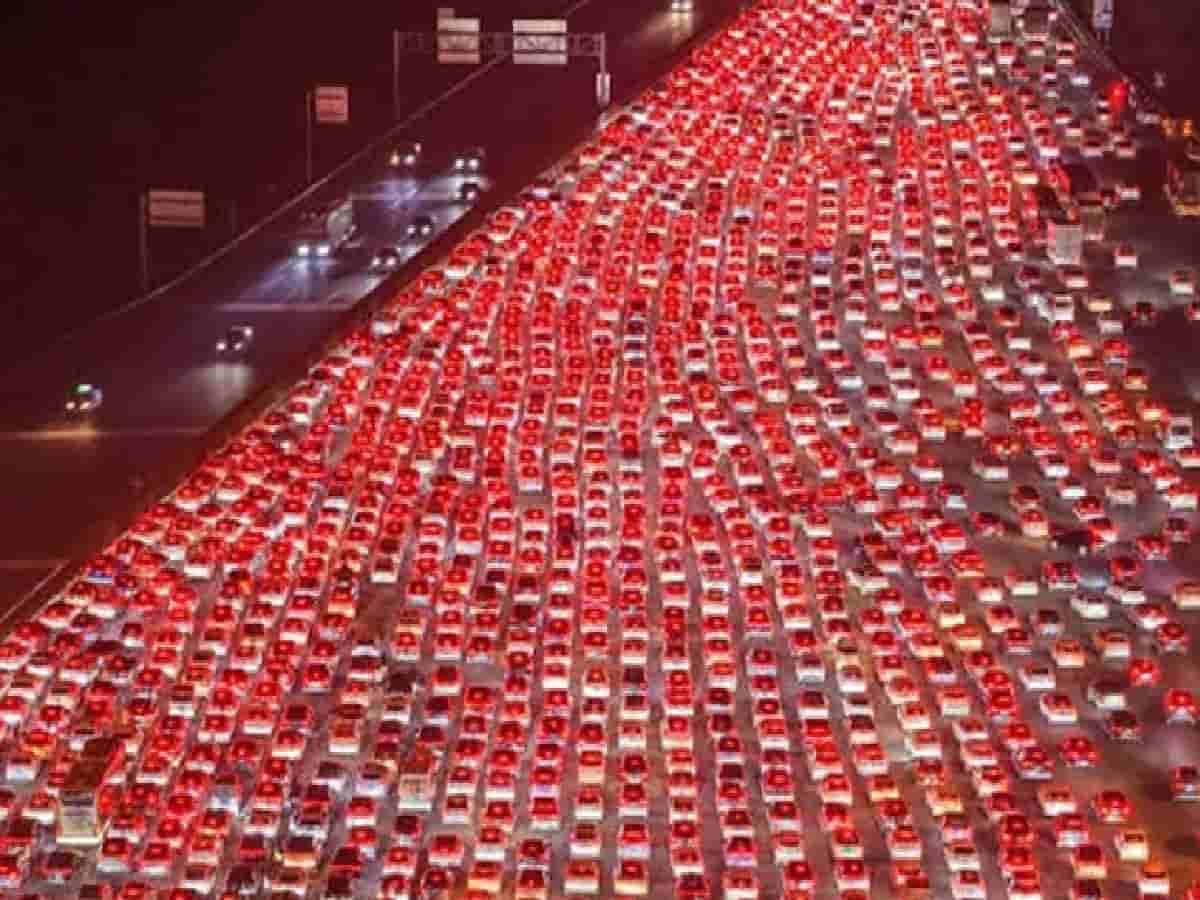
In one of the most astonishing transportation bottlenecks in modern automotive history, an unprecedented traffic logjam paralyzed China’s northern arterial routes for nearly two full weeks. Occurring along the critical China National Highway 110 (G110) and Beijing-Tibet Expressway corridor, the mega-jam spanned approximately 60 miles (nearly 100 kilometers). Thousands of heavy-duty transport trucks, regional freight haulers, and private passenger vehicles ground to an absolute halt, turning a vital transport lifeline outside Beijing into a sprawling, immobile parking lot.
Drivers Stranded in Vehicles for Days on End
The scale of the delay tested human endurance, as vehicles managed to creep forward only a fraction of a mile each day. Numerous motorists found themselves marooned in the same stretch of asphalt for four to five consecutive days without an operational exit route. Drivers were forced to turn their vehicle cabins into makeshift bedrooms, sleeping behind the wheel or sprawling on road dividers while waiting for traffic controllers to untangle the bottleneck miles ahead.
Massive Coal Haulage and Highway Repairs Sparked the Chaos
The root cause of this historic standstill stemmed from an overwhelming surge in domestic freight compounded by aggressive infrastructure overhauls. Massive demand for industrial energy in northern cities spurred thousands of coal-laden heavy trucks to traverse the corridor from Inner Mongolia toward coastal distribution hubs. Simultaneously, municipal road maintenance teams had launched major resurfacing and lane-reduction work along the G110 highway. The collision of reduced highway throughput, heavy cargo loads, and ongoing lane closures choked the route past its operational breaking point.
Roadside Economies and Village Food Stalls Emerge Overnight
As the multi-day gridlock dragged on, local residents from surrounding rural villages quickly transformed the roadside into an impromptu commercial market. Villagers walked between the stranded bumpers selling bottled drinking water, instant noodles, bread, and basic meals directly to hungry, parched drivers. While some nearby communities provided essential provisions to exhausted commuters, the bottleneck also gave rise to roadside price gouging, where desperate motorists paid inflated rates just to secure daily survival essentials while waiting for engines to roll once again.