







Bhopal Voter Count Jumps 23,188 to 17.68 Lakh
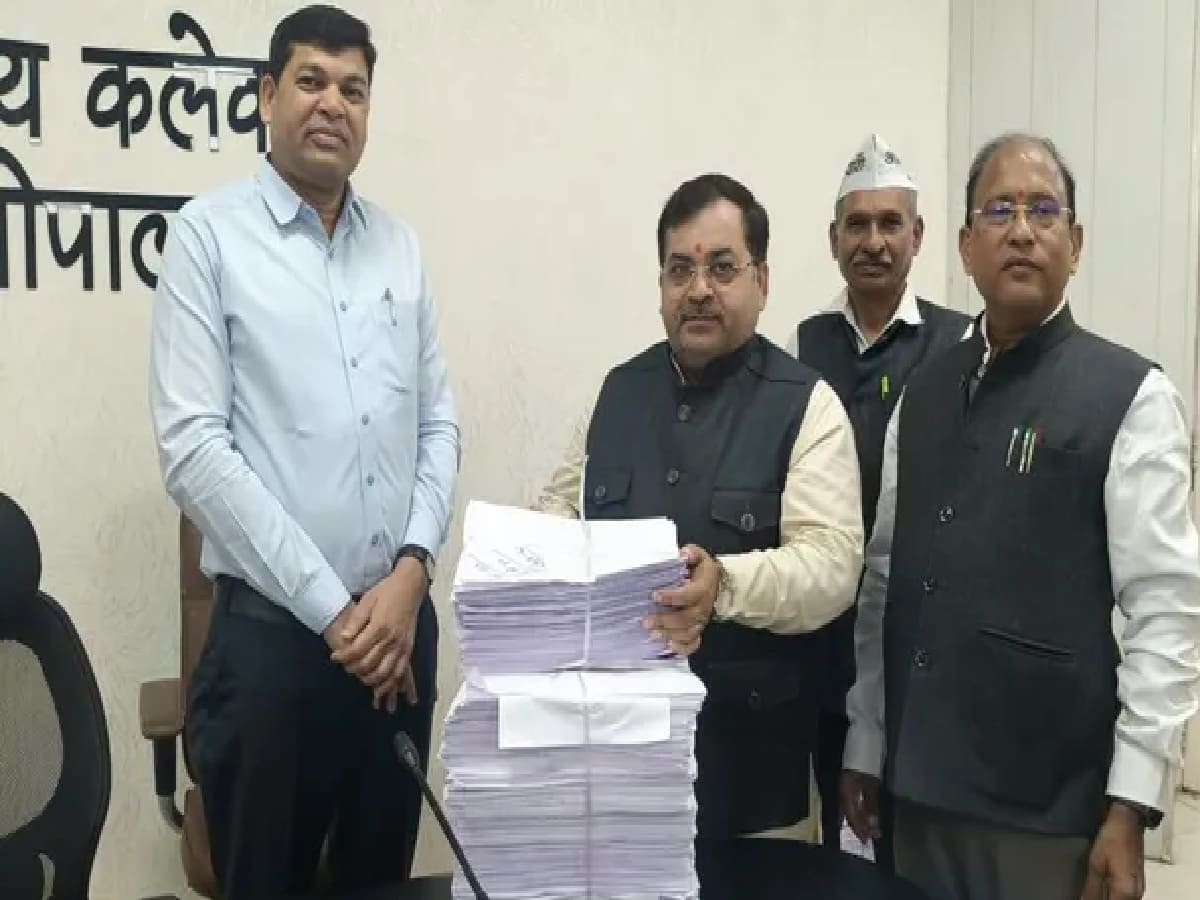
Bhopal’s electorate has expanded significantly over the past ten months, adding 23,188 new voters across the Madhya Pradesh capital’s seven assembly constituencies to reach a combined total of 17,68,641 (17.68 lakh) registered electors. The updated figures were officially unveiled on Thursday, November 12, 2026, with the publication of the Integrated Draft Electoral Roll under the Election Commission of India’s Special Summary Revision program. Compared to February 2026, when the district’s voter roll stood at 17,45,453, the latest draft reflects sustained demographic growth, targeted outreach among young first-time voters, and higher registration among women across urban and rural Bhopal. To formalize the publication process, a Standing Committee meeting was convened under the chairmanship of Additional Collector Mahendra Kavache and Deputy District Election Officer Deepak Pandey, during which copies of the draft voter list and the revised list of polling stations prepared after booth rationalization were handed over to representatives of recognized political parties. Meanwhile, District Election Officer Priyank Mishra appealed to residents across Bhopal to verify their names and personal details in the draft roll promptly and submit applications within the stipulated window.
Ten-Month Voter Surge: Male, Female, and Third-Gender Breakdown
A closer examination of the electoral data between February 2026 and November 12, 2026, reveals balanced growth across all seven assembly constituencies of Bhopal district—Bairasia, Bhopal North (Uttar), Narela, Bhopal South-West (Dakshin Paschim), Bhopal Central (Madhya), Govindpura, and Huzur. In February 2026, the district’s 17,45,453 voters were distributed across 2,289 polling stations, comprising 8,88,530 male electors, 8,56,851 female electors, and 72 electors registered under the third-gender ("Others") category.
Following ten months of continuous registration and roll purification, the November 12 draft electoral roll records 17,68,641 total voters, including 8,99,283 men, 8,69,284 women, and 74 third-gender voters. Notably, female voter additions outpaced male additions during this ten-month window, with 12,433 women joining the electoral rolls compared to 10,753 men and 2 third-gender citizens.
| Elector Category | February 2026 Roll | November 12, 2026 Draft Roll | Net Change (10 Months) |
| Male Voters | 8,88,530 | 8,99,283 | +10,753 |
| Female Voters | 8,56,851 | 8,69,284 | +12,433 |
| Third-Gender ("Others") | 72 | 74 | +2 |
| Total Electors | 17,45,453 | 17,68,641 | +23,188 |
Gender Ratio Climbs by 0.74 Percent: Bhopal Central Leads All Seats
One of the most encouraging demographic highlights of Bhopal’s updated electoral roll is the steady improvement in gender representation. Over the ten-month period since February 2026, the district’s electoral gender ratio improved from 964 women per 1,000 men (representing a 55.79 percent share metric) to 967 women per 1,000 men (56.53 percent), marking a 0.74 percent increase across the capital. Election officials attribute this upward trajectory to focused awareness drives in residential colonies, educational institutions, and rural panchayats encouraging eligible women and young female students to enroll independently.
Constituency-level figures demonstrate that urban assembly segments in the heart of Bhopal lead the district in gender parity. Bhopal Central (Madhya) recorded the highest gender ratio at 991 women per 1,000 men, followed closely by Bhopal North (Uttar) at 989 and Bhopal South-West (Dakshin Paschim) at 985. Govindpura stood fourth with 973 women per 1,000 men, while Huzur and Narela tied at 963 each. Rural Bairasia recorded 920 women per 1,000 men, prompting local election teams to intensify targeted female enrollment outreach there during the ongoing claims period.
Revision Schedule: How to File Claims and Objections Till December 11
With the Integrated Draft Electoral Roll now open for public inspection, residents of Bhopal have a dedicated one-month window to ensure their electoral records are accurate. According to the District Election Office, claims and objections will be accepted from November 12 to December 11, 2026. All applications received during this thirty-day window will be scrutinized, verified through field inquiries, and formally resolved by December 28, 2026, paving the way for the publication of the Final Electoral Roll on January 4, 2027.
Citizens across Bhopal—including youth who will attain the age of 18 on or before the qualifying date of January 1, 2027—can check their names online via the Election Commission’s official portals (electoralsearch.eci.gov.in and voters.eci.gov.in), through the mobile application, or by visiting their neighborhood polling booth to consult their designated Booth Level Officer (BLO). Eligible citizens whose names are missing from the draft roll should submit Form 6 along with proof of age and residence. Those seeking deletion of names due to relocation or death may file Form 7, while voters needing corrections to their name, parent’s or spouse’s name, photograph, residential address, or polling station assignment following booth rationalization should submit Form 8 before the December 11 deadline.
Strengthening Democratic Participation Across Bhopal
Because polling stations across Bhopal have undergone rationalization to prevent overcrowding and reduce walking distances for families, election officials emphasize that checking the November 12 draft list is essential even for long-time voters whose booth number or serial number may have shifted. By combining transparent consultations with recognized political parties alongside accessible online and booth-level verification, the Bhopal district administration aims to deliver an error-free, inclusive final electoral roll on January 4, 2027.




