7% Electricity Demand Jump Met Entirely by Clean Energy in Historic Shift
In a landmark turning point for the global energy landscape, carbon dioxide emissions from India's electricity generation sector remained completely flat over a two-year period despite a robust 7 percent surge in nationwide power demand. According to an extensive half-yearly analysis published on Thursday by the UK-based climate research organization Carbon Brief, renewable capacity additions successfully absorbed the entire volume of incremental consumer demand between the first half of 2024 and the first half of 2026. This performance marks the first instance in more than half a century where domestic coal-fired thermal generation did not experience net expansion across a two-year timeline, demonstrating that rapid economic industrialization can be decoupled from thermal output growth.
77 GW Solar Surge Offsets Switzerland-Sized Demand Growth
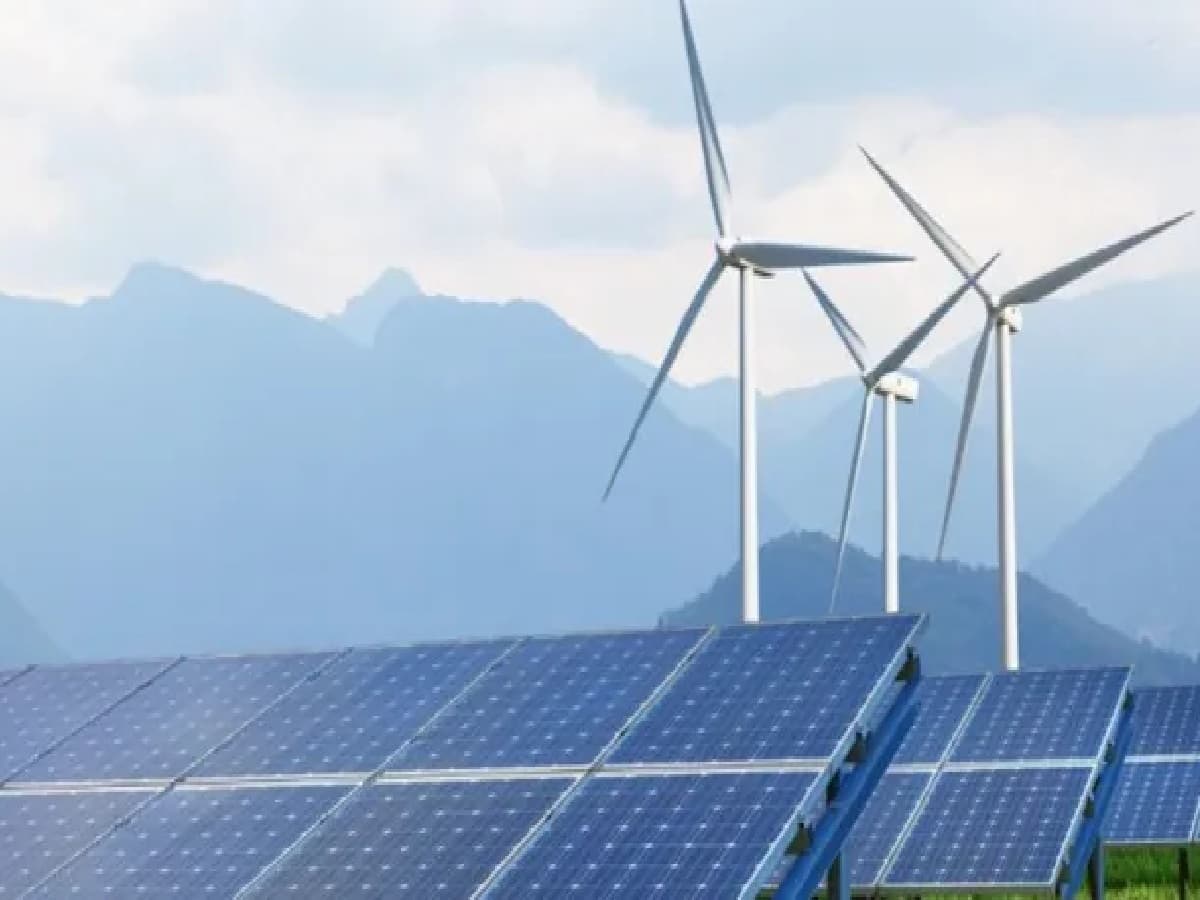
Driving this historic structural decoupling was an unprecedented scale of domestic renewable energy commissioning, led primarily by utility and distributed solar networks. India integrated a massive 77 gigawatts of new solar power capacity into the grid over the two-year review window, single-handedly fulfilling 60 percent of the total surge in national electricity consumption. In aggregate, green generation channels contributed an additional 63 terawatt-hours of clean electricity—an energy volume equivalent to the entire annual power demand of Switzerland. Because clean generation expanded at an identical pace with industrial and domestic load growth, baseload coal power generation remained capped at baseline levels, preventing millions of tons of greenhouse gases from entering the atmosphere.
Oil and Gas Decline Offsets Middle East Shocks Amid Steel and Cement Rise
Beyond the electric grid, India registered a consecutive two-year structural decline in national petroleum and natural gas combustion, which insulated the economy from broader supply disruptions linked to the ongoing Strait of Hormuz crisis. Despite expanding logistics volumes and elevated fuel consumption across the highway transit sector, industrial oil and gas emissions dropped by 7 percent year-on-year, sustaining a downward trend that began in 2025. However, the report cautioned that economy-wide emissions still ticked up by 3.7 percent year-on-year in the first half of 2026, driven almost entirely by the heavy manufacturing sector. Unabated output across carbon-heavy blast furnaces and clinker production saw combined emissions from the domestic steel and cement sectors climb 8 percent year-on-year, now constituting a notable 23 percent of India's aggregate greenhouse footprint.
Gujarat, Rajasthan, and Tamil Nadu Drive Clean Transition Amid Grid Upgrades
At the sub-national level, western and southern industrial corridors spearheaded the transition away from hydrocarbon fuels. Gujarat registered the sharpest drop in fossil-fuel-based power generation alongside the steepest expansion in renewable capacity, followed closely by Rajasthan's expansive desert solar parks and Tamil Nadu's high-capacity wind-solar hybrid corridors. All three frontline states successfully curtailed their reliance on thermal power stations as utility-scale storage and renewable transmission came online. Looking ahead, the Carbon Brief assessment noted that sustaining this momentum will require rapid deployment of battery energy storage systems, enhanced operational flexibility for existing thermal fleets, and high-voltage grid upgrades, especially as capital allocation within traditional fossil-fuel extraction continues at significant scale.