







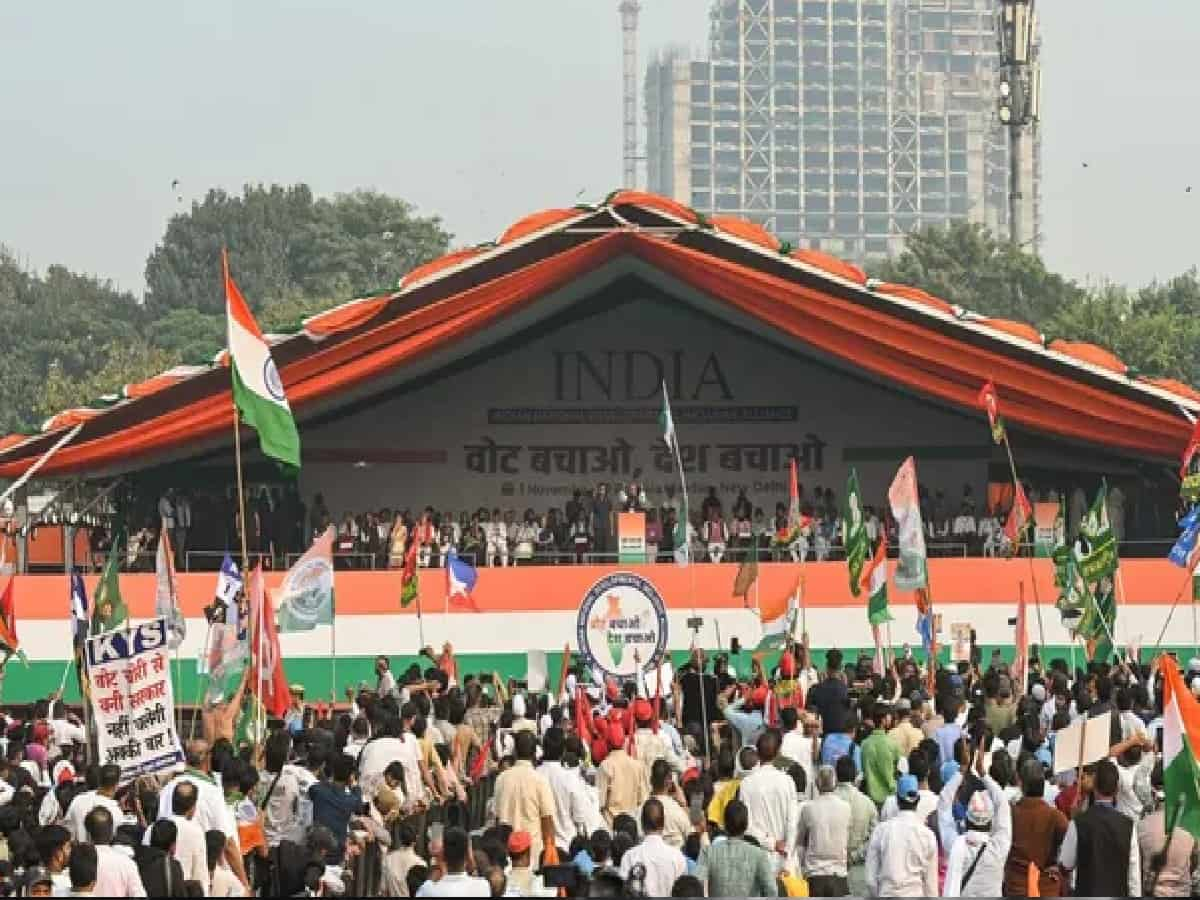
1984 Riot Victims Slam Nov 1 INDI Rally, Demand Congress Apology
Marking November 1 as an indelible "black day" in modern Indian history, survivors of the 1984 anti-Sikh riots alongside prominent community organizations have mounted a fierce backlash against the opposition INDIA bloc and the Congress party for staging a massive political rally at Delhi's Ramlila Maidan on the solemn anniversary of the pogrom. Characterizing the scheduling of a partisan demonstration on a day reserved for collective mourning as deeply insensitive and dismissive of the community's unhealed generational trauma, victim collectives and Sikh bodies have demanded an unconditional apology from the Congress leadership and Lok Sabha Leader of the Opposition Rahul Gandhi. The intensifying public outcry has simultaneously opened a major political flashpoint between the ruling Bharatiya Janata Party and the opposition, acquiring heightened resonance ahead of the crucial 2027 Punjab Assembly elections as victim delegations demand swift criminal accountability and comprehensive social justice.
Massive West Delhi Protest March: Leaders and Legal Crusaders Demand Apology
Expressing their resentment through direct civic action, hundreds of riot victims and community members organized a large-scale protest march through West Delhi, walking from Hari Nagar to Tilak Nagar to register their opposition to the political gathering. The procession witnessed high-profile participation, including Union Minister Hardeep Singh Puri, Delhi Chief Minister Rekha Gupta, senior leader Manjinder Singh Sirsa, and senior advocate H.S. Phoolka, who has spearheaded the legal battle for riot victims across four decades. Condemning the timing of the opposition event, Phoolka asserted that November 1 represents a black day not merely for the Sikh community but for the moral fabric of the entire nation, emphasizing that the Congress should have observed the date with solemn remorse rather than political pageantry. The demonstration followed a formal memorandum submitted by the 1984 Riot Victims Welfare Society during an official meeting with Punjab Governor Gulab Chand Kataria, during which delegation leaders reiterated that the day demands quiet prayer and memory, while urging statutory authorities to resolve long-pending structural grievances regarding dignified housing, public employment, and economic rehabilitation for surviving families.
Unhealed Wounds and Premeditated Violence: Voices of Victims, MP Sahni & SGPC
Personal accounts of profound loss and lingering administrative apathy took center stage during the demonstrations, underscoring the enduring human toll of the 1984 violence. Bibi Gurdeep Kaur, president of the society’s women’s wing who lost eight members of her immediate family in the bloodshed, stood alongside society president Surjit Singh to demand respectable resettlement and societal dignity for affected kin. Joining the victims in New Delhi, Rajya Sabha Member of Parliament Vikramjit Singh Sahni shared that four of his own relatives were killed during the carnage, maintaining that the coordinated violence across national neighborhoods was not spontaneous unrest but a calculated, premeditated conspiracy. Adding his voice to the nationwide outrage, Shiromani Gurdwara Parbandhak Committee (SGPC) President Harjinder Singh Dhami described the 1984 massacre as an indelible stain on the world's largest democracy, affirming that peace and emotional closure will remain elusive for bereaved families until every individual responsible for orchestrating the killings is handed exemplary penal punishment under the law.




