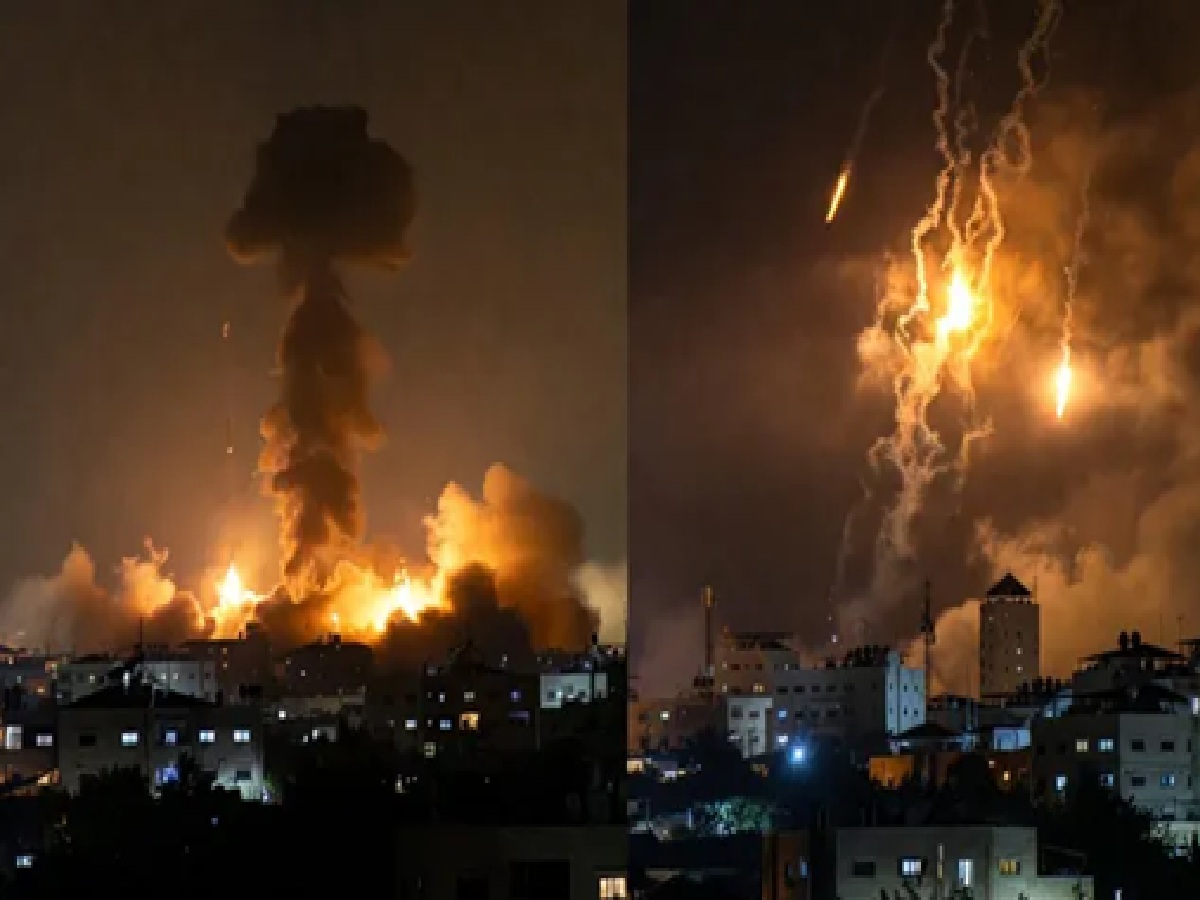
US Strikes Iran for 10th Consecutive Night as Strait of Hormuz Remains Paralyzed and Oil Prices Surge
Escalating geopolitical tensions in West Asia have reached a critical tipping point as the United States military launched relentless airstrikes against Iran for the tenth consecutive night. Targeting strategic military installations late Monday night, the ongoing campaign aims to counter Iranian maritime disruptions and force the reopening of the vital Strait of Hormuz. With commercial shipping lanes virtually brought to a standstill, the high-stakes confrontation has sent global economic shockwaves, triggering a sharp spike in crude oil prices and placing immense pressure on international markets.
Tenth Night of Airstrikes and US Central Command Strategy
According to updates from the US Central Command, the latest wave of precise strikes was executed under direct orders from the Commander-in-Chief to systematically degrade Iranian military capabilities. These operations are a direct response to rising hostilities, including attacks on US allies such as Kuwait, Jordan, and Bahrain—home to the US Navy's Fifth Fleet—as well as the tragic death of an American service member. Washington maintains that these military measures are vital to deter maritime threats, safeguard global commerce, and secure the strategic trade chokepoint of the Strait of Hormuz.
Global Economic Fallout and Surging Crude Oil Prices
The protracted standoff has taken an immediate toll on the global economy, with crude oil prices surging by 3% to reach $90 per barrel, while US pump prices climbed to $4 per gallon. This economic turbulence has intensified political pressure on President Trump ahead of the November midterm elections. Amid the mounting crisis, a massive deployment of US fighter jets to West Asia signals that the administration is preparing for a potential escalation even as international governments, including India, issue urgent safety advisories for their citizens residing in the region.
Diplomatic Openings Amid Military Build-Up
Despite the fierce exchange of fire, faint glimmers of diplomatic engagement have begun to emerge. Both Washington and Tehran hinted at a possible resumption of talks following diplomatic signals received on Monday. Iranian Foreign Ministry spokesman Esmail Baghaei acknowledged receiving proposals aimed at reducing tensions, while US Secretary of State Marco Rubio noted that the administration would welcome a genuine opening for dialogue, provided Iran alters its regional behavior. However, lingering skepticism remains regarding whether a swift diplomatic breakthrough is possible while military reinforcements continue to flood the region.