







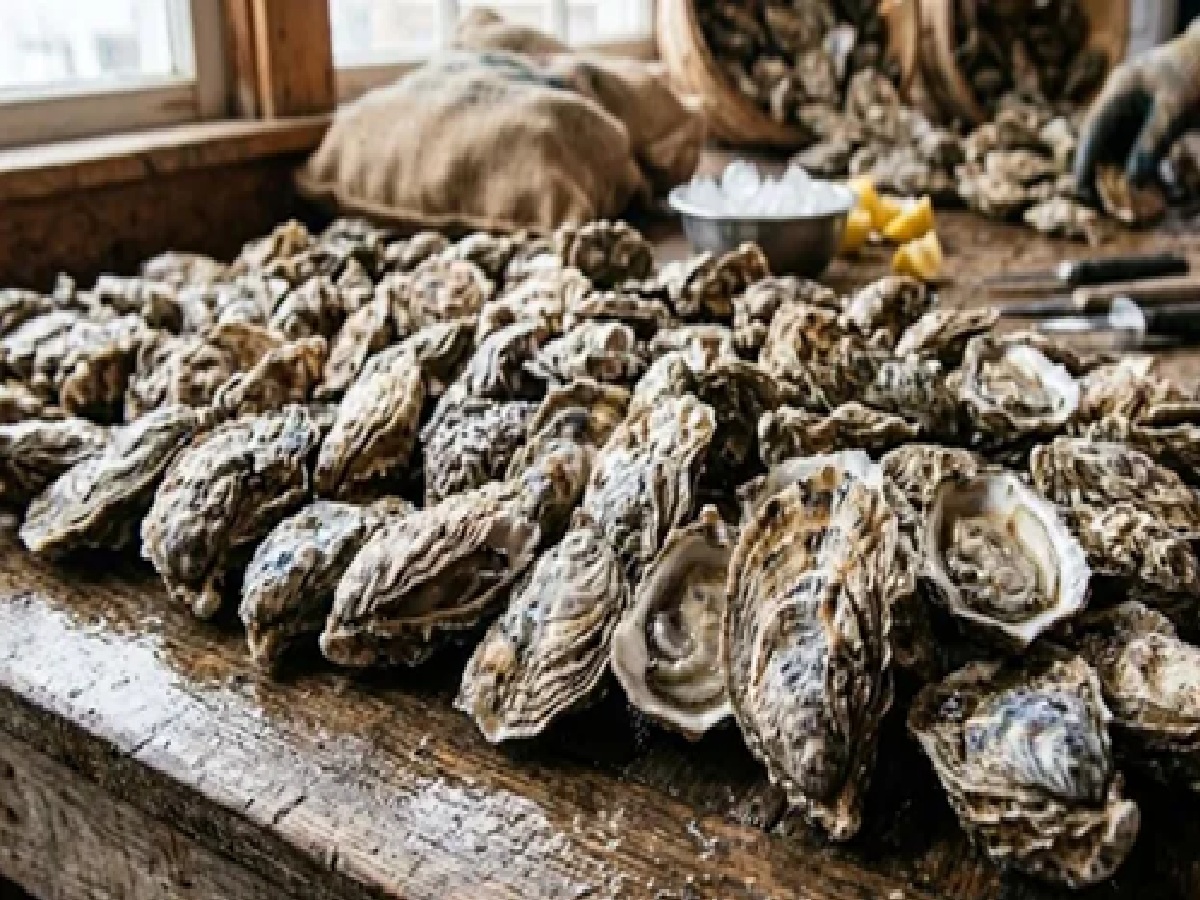
Florida Restored Gulf Ecosystems Using Over 500,000 Tons of Recycled Shells
What once was discarded as ordinary restaurant waste has transformed into a groundbreaking environmental lifeline for coastal waters. Between 2007 and 2024, the state of Florida undertook an ambitious ecological restoration project in the Gulf of Mexico, introducing over 500,000 tons of recycled oyster and clam shells back into degraded marine environments. Diverted straight from seafood eateries and processing plants rather than local landfills, this massive influx of recycled shells has successfully revived dying oyster reefs, vastly improved coastal water quality, and triggered a remarkable resurgence of diverse marine life.
From Initial Skepticism to Biological Breakthroughs
When the initiative first launched, critics questioned the unconventional approach, labeling the deployment of discarded shells as mere ocean pollution. Even researchers noted that early stages showed little to no visible changes on the surface, leaving the project's long-term success uncertain. However beneath the waves, microscopic magic was unfolding. Once submerged, the shells quickly accumulated beneficial bacteria to form a natural biofilm, establishing the foundational layer of a healthy marine ecosystem. As the shells gradually broke down, they released vital calcium into the water, creating localized "microzones" with unique chemistry that supported delicate aquatic organisms.
Solving the Seabed Crisis and Boosting Water Quality
The recycled shells served as an indispensable hard substrate for baby oysters, which previously struggled to find footing on soft, sandy seabeds left behind after historical reef destruction. By providing this missing architectural base, millions of young oysters attached and rapidly formed thriving new reefs. This booming oyster population yielded profound secondary benefits: as natural filter feeders, the oysters ingested massive quantities of suspended particles, effectively clarifying the water and curbing harmful algae blooms. Consequently, the restored habitat propelled a chain reaction up the food chain, boosting populations of fish, sea turtles, and dolphins to highs not witnessed in over 25 years.
Protecting Coastlines and Inspiring Nationwide Replication
Beyond ecological recovery, the rehabilitated reefs serve as robust natural barriers that absorb high-wave energy during severe storms, significantly mitigating coastal erosion and protecting vulnerable shorelines. Given that historical overexploitation and human-induced disasters like the Deepwater Horizon oil spill heavily damaged regional habitats, Florida's model has emerged as a beacon of hope. The extraordinary success has captured the attention of marine biologists and coastal engineers nationwide, inspiring similar shell recycling and reef restoration programs to take root across several US states including Alabama, Texas, Louisiana, California, Mississippi, and the Carolinas.