Nitin Gadkari’s Bold Claim: 40-Lane Highway Between Delhi and Meerut Sparks Online Discussion
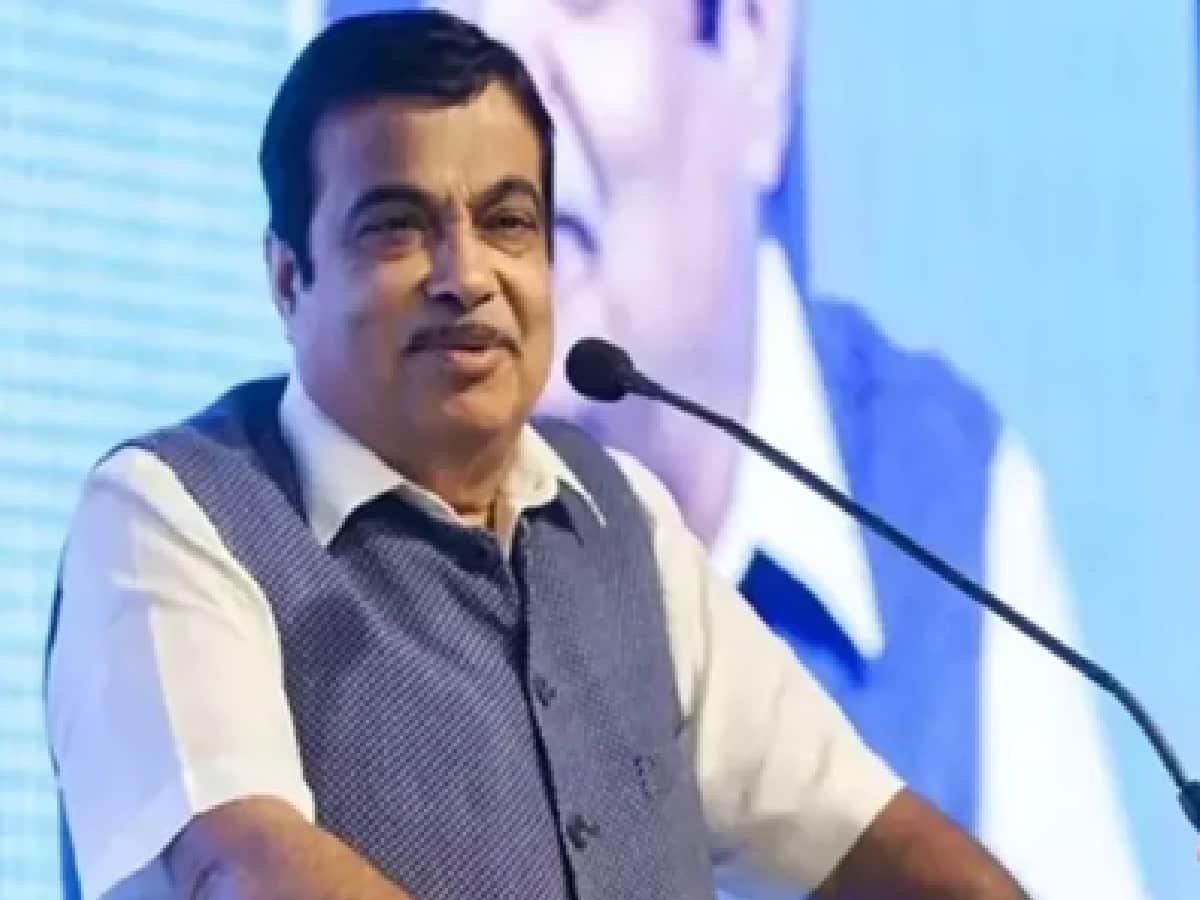
Union Road Transport and Highways Minister Nitin Gadkari has ignited widespread discussion across social media platforms following a bold statement made during his address at the "Festival of Thinkers" event hosted by Symbiosis International University in Pune. Sharing his vision for India's rapidly expanding transportation infrastructure, Gadkari revealed that he has recently overseen the construction of a 40-lane highway connecting Delhi and Meerut, drawing inspiration from ultra-wide modern highway systems observed in developed nations.
Visionary Infrastructure and the Mumbai-Pune Expressway Legacy
Reflecting on his extensive political and administrative tenure, Minister Gadkari recalled the successful construction of the Mumbai-Pune Expressway 27 years ago, proudly noting that the expressway remains remarkably durable and free of potholes to this day. In a lighter vein, he addressed recent online trolling following a localized landslide incident near Tunnel-2 on the newly inaugurated "missing link" of the expressway during heavy monsoon rains in July.
Clarifying that the missing link project was originally managed by the state government and faced historical constraints due to forest clearance limitations, Gadkari remarked humorously, "It seems the internet is good for media quality control." Chief Minister Devendra Fadnavis had earlier inaugurated the 13.3-kilometer missing link in May, designed to ease mountainous transit before heavy downpours triggered structural scrutiny.
Embracing Advanced Technology for Infrastructure Monitoring
Stressing the imperative need for proactive maintenance, Gadkari advocated for the extensive integration of cutting-edge technology in civil engineering and highway monitoring. He emphasized that utilizing drones, artificial intelligence (AI), Li-Dar, and satellite technology allows authorities to detect minor structural defects early, preventing them from escalating into major safety hazards.
Discussing long-term urban planning, the Union Minister explained how observing international highway networks influenced his perspective on scale. He noted that while initial planning for corridors like the Mumbai-Pune Expressway focused on accommodating multi-lane traffic for the future, exposure to global standards proved that visionary planning must be vastly more ambitious. Gadkari stated, "When I saw roads in other countries, I felt that we should have planned at least a 40-lane road. Recently, I have built a 40-lane road between Delhi and Meerut."
Building for the Next 50 Years and Economic Growth
Concluding his address, Gadkari underscored that robust infrastructure planning must never be restricted to immediate present requirements; instead, projects must anticipate the demographic and traffic demands of the next 25 to 50 years. Reaffirming the core economic philosophy of the administration, he highlighted that world-class infrastructure serves as the primary catalyst for accelerated economic growth, employment generation, poverty reduction, and seamless integration between research, innovation, and national development.