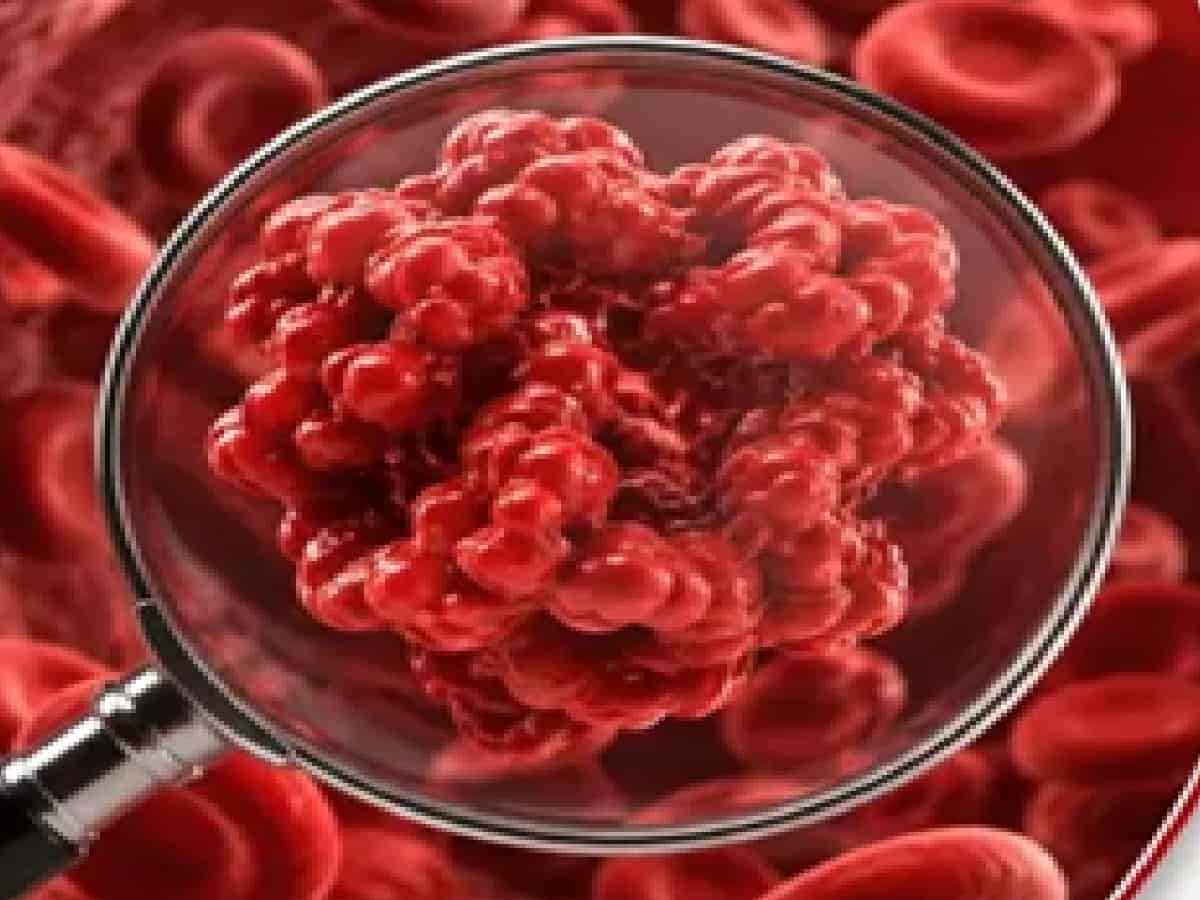
High Hemoglobin Dangers: Why Elevated Red Blood Cells Can Be Risky for Your Health
Hemoglobin plays an indispensable role in human physiology, acting as an iron-rich protein responsible for transporting fresh oxygen from the lungs to every tissue, muscle, and vital organ in the body. While medical discussions frequently focus on the risks of low hemoglobin and anemia, having high hemoglobin levels can be equally hazardous. Elevated hemoglobin often signals an overproduction of red blood cells or a reduction in plasma volume, posing serious health threats if left unaddressed.
Normal Hemoglobin Ranges vs. Dangerous Levels
Medical standards define normal hemoglobin ranges across different demographics:
-
Men: 13.8 to 17.2 grams per deciliter (g/dL)
-
Women: 12.1 to 15.1 g/dL
-
Children: 11.0 to 16.0 g/dL
Hemoglobin levels exceeding 17.2 g/dL in men and 16.0 g/dL or higher in women and children are classified as abnormally high, requiring careful clinical evaluation and lifestyle management.
Common Causes of High Hemoglobin
High hemoglobin is typically not a standalone disease, but rather an underlying indicator of physiological stress or medical conditions:
-
Polycythemia Vera: A rare type of blood cancer characterized by the bone marrow overproducing red blood cells.
-
Chronic Respiratory Conditions: Severe asthma, chronic obstructive pulmonary disease (COPD), and sleep apnea.
-
Environmental Factors: Living at high altitudes where lower oxygen levels prompt the body to manufacture more red blood cells, or chronic exposure to carbon monoxide and air pollution.
-
Lifestyle and Dehydration: Heavy cigarette smoking and severe dehydration that concentrates blood volume.
-
Underlying Health Issues: Kidney diseases, renal tumors, congenital heart anomalies, and chronic cyanotic heart disease.
Key Symptoms to Watch For
When hemoglobin levels spike significantly, individuals may experience distinct physical warning signs, including persistent headaches, dizziness, lightheadedness, blurred vision, chronic fatigue, and unexplained shortness of breath. Other indicators involve skin redness in the hands and feet or heavy menstrual bleeding in women.
Serious Health Risks Associated With Elevated Hemoglobin
Thicker blood resulting from high red blood cell counts can sluggishly circulate through vital organs, dramatically increasing the likelihood of dangerous medical emergencies:
-
Blood Clots and Thrombosis: Higher viscosity raises the risk of deep vein thrombosis and dangerous blockages.
-
Cardiovascular Complications: Increased strain on the circulatory system elevates the risk of heart attacks, hypertension, and strokes.
-
Organ Stress: Restricted blood flow to vital organs and potential enlargement of the spleen.
Preventive Measures and When to See a Doctor
Managing high hemoglobin involves proactive health habits: quit smoking, maintain optimal daily hydration, avoid prolonged periods of inactivity, and manage chronic conditions like obesity, diabetes, and high blood pressure. Never consume iron supplements without professional medical guidance.
Consult a physician immediately if you experience persistent dizziness, unexplained exhaustion, chronic breathing difficulties, or consistently elevated hemoglobin test results.