Can Your Eyes Spot Early Alzheimer's and Parkinson's, AIIMS Specialist Explains the Brain-Eye Connection
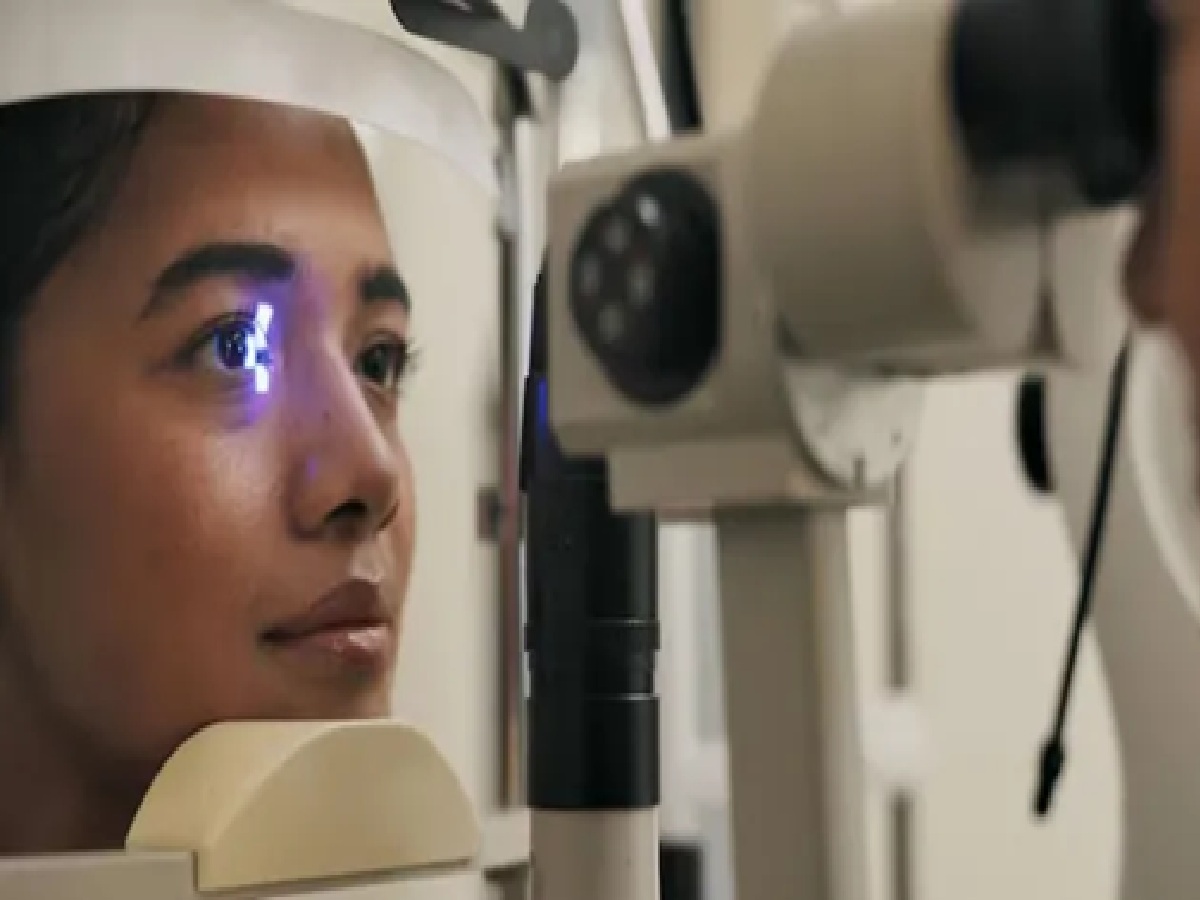
The relationship between our eyes and brain functions much like a CPU connected to a monitor, operating as an integrated unit within the central nervous system. According to Dr. Rohit Saxena, Senior Ophthalmologist at the All India Institute of Medical Sciences (AIIMS), New Delhi, the eye is the only place in the entire human body where blood vessels can be directly observed without invasive surgery. By examining these ocular micro-vessels, medical professionals can evaluate structural damage across vital internal organs and identify subtle neurological changes in the brain long before conventional physical symptoms emerge.
Detecting Early Alzheimer's, Parkinson's, and Neurological Disorders
Advanced diagnostic technologies have transformed routine eye checkups into effective screening tools for complex neurodegenerative conditions. Specialized eye scans can now pick up early biomarkers for Alzheimer's disease and Parkinson's disease. Furthermore, conditions such as Multiple Sclerosis often present initial symptoms through visual disturbances, followed by walking difficulties and physical coordination challenges. Ocular screenings also shed light on early birth-related neurological trauma; for instance, a newborn crying late experiences a temporary lack of oxygen that can leave long-term impacts on both brain development and visual acuity.
How Chronic Stress, Anxiety, and Depression Impact Vision
Modern lifestyle pressures, chronic anxiety, and depression do not merely affect emotional well-being—they manifest directly in eye health. Research validated by the American Academy of Ophthalmology demonstrates that mental stress triggers the release of elevated cortisol and adrenaline levels. These stress hormones can temporarily spike intraocular pressure within the eye, posing serious concerns for individuals prone to glaucoma, a condition closely tied to optic nerve and brain function. People experiencing high stress often report physical symptoms such as heavy eyelids, ocular fatigue, and temporary blurred vision.
Screen Strain and the Growing Epidemic of Dry Eye Syndrome
With adults spending seven to eight hours daily on laptops and smartphones, combined with children's excessive tablet use, visual and cognitive development are taking a hit. The prevalence of pediatric refractive errors has shifted dramatically compared to previous decades, with a majority of school-aged children now requiring corrective glasses. Prolonged screen exposure reduces natural blink rates, leading to dry eye syndrome and a sharp decline in concentration levels.
Essential Ergonomic Habits for Digital Eye Safety
To mitigate digital eye strain and guard against premature visual fatigue, specialists recommend observing essential workspace rules:
-
Maintain Safe Distance: Keep laptops and computer screens at least one foot away from your eyes, opting for larger computer monitors over small mobile screens whenever possible.
-
Optimize Environment Lighting: Never use screens in dark or poorly lit rooms, as intense contrast severely strains the optic nerve.
-
Take Regular Micro-Breaks: Pause work every 30 minutes to focus your vision away from digital surfaces.
-
Hydration and Outdoor Protection: Drink adequate water throughout the day to support tear film production, and wear protective UV glasses outdoors to block dust, sunlight, and atmospheric pollution.
The Protective Role of Nature, Movement, and Fresh Diet
Spending time in natural environments offers vital therapy for optical muscles. Parents are advised to ensure children spend at least two hours daily outdoors playing games like badminton, football, or volleyball. Panoramic views of natural greenery encourage continuous eye movement and flexible focusing, which supports healthy eye development. Additionally, replacing processed fast foods and frozen items with seasonal green leafy vegetables, fresh fruits, and nutrient-dense homemade nut sweets provides essential antioxidants that nourish both cerebral and visual pathways.
Recommended Age-Based Guidelines for Routine Eye Examinations
Because serious neurological and ocular conditions develop gradually without early pain, regular clinical screenings remain essential across every age bracket:
-
Children: Should undergo a formal eye examination upon starting school, followed by mandatory annual checkups to catch hidden visual deficits early.
-
Adults: Anyone aged 40 and above should schedule comprehensive annual eye exams to monitor intraocular pressure, retinal health, and vascular changes.