Music Royalty Controversy Erupts Over Saiyaara as Amaal Mallik Weighs In
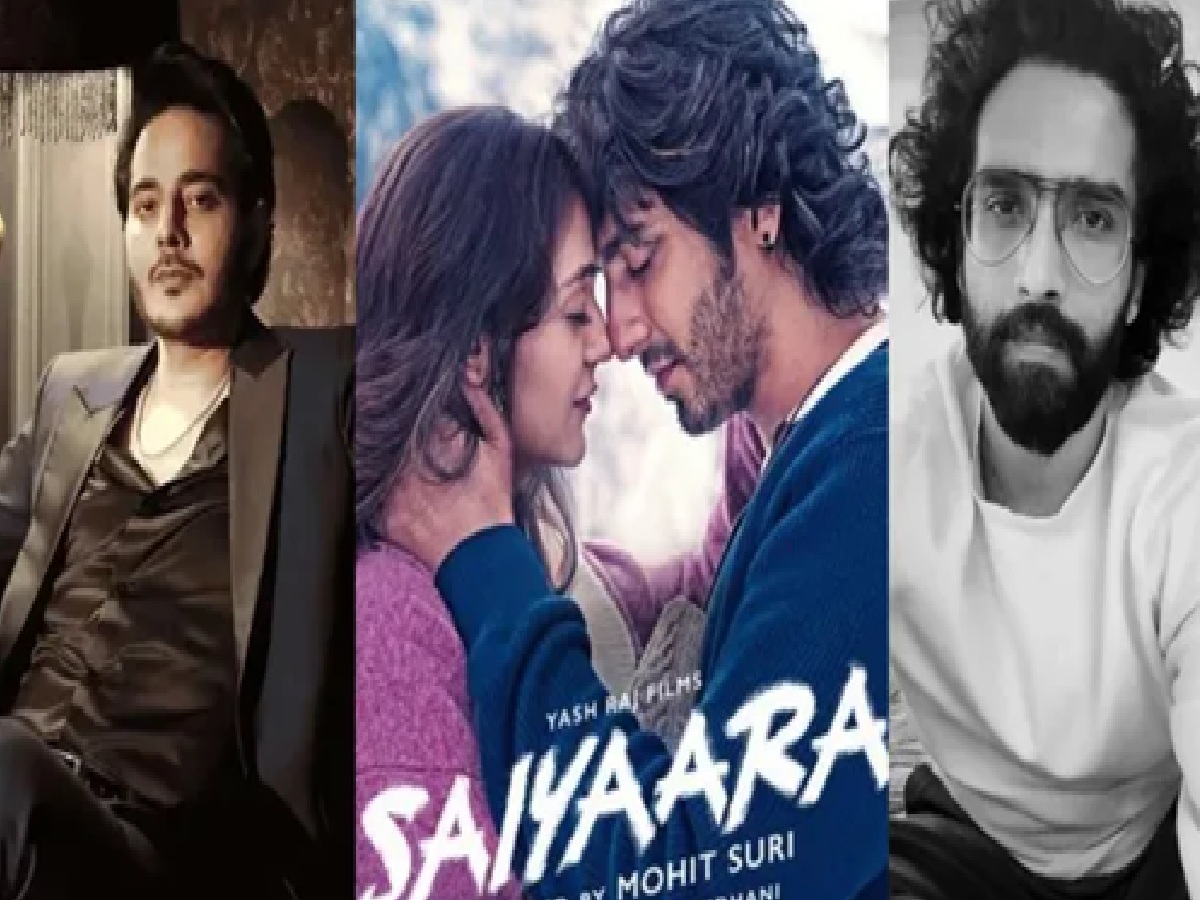
The Indian music industry has been thrust into a fierce debate over copyright royalties and creator compensation following a public spat involving hitmaker Tanishk Bagchi and production powerhouse Yash Raj Films (YRF). What began as a viral social media post marking the anniversary of the 2025 musical blockbuster Saiyaara quickly escalated into a full-scale controversy, drawing sharp industry responses, an official clarification from the makers, and a fiery reaction from fellow composer and singer Amaal Mallik.
Tanishk Bagchi’s Viral Post and YRF’s Immediate Clarification
The controversy ignited on Saturday during the first anniversary of Saiyaara, when composer Tanishk Bagchi shared a startling social media post claiming he earned virtually zero rupees from the film's chart-topping title track. Bagchi detailed the extensive hours, production overheads, live instrumentation expenses, mixing costs, and creative labor he poured into the project, alleging that after all expenses were settled, his net earnings from the viral hit amounted to nothing. The post sent shockwaves through social media, prompting Yash Raj Films to issue a swift and unequivocal official statement denying the allegations. YRF clarified that all contractual financial obligations had been completely fulfilled and that royalties for the title track were being distributed equally among the three collaborating composers—Tanishk Bagchi, Faheem Abdullah, and Arslan Nizami—in strict adherence to mutually agreed-upon terms. Following the studio's public clarification, Bagchi promptly deleted his original post.
Amaal Mallik Jumps into the Fray, Calling Out the Industry
As the dust began to settle on YRF's statement, singer-composer Amaal Mallik entered the controversy, taking to his official handle on X (formerly Twitter) to address the broader systemic issue of music royalties in Bollywood. Without directly naming individuals, Mallik expressed frustration over how long it took for fellow artists to speak out against industry practices, writing that he had been fighting the royalty and credit system alone for a decade while others remained silent. His remarks added fuel to the fire, turning the individual dispute into a wider industry-wide conversation regarding fair pay, intellectual property rights, and revenue transparency for music creators and lyricists.