







Why Traditional Khamira Tonic Boosts Heart, Brain, and Immunity
In today's relentless modern routine, chronic fatigue, midday lethargy, and compounding cognitive burnout have become pervasive challenges, prompting millions to turn to synthetic multivitamin tablets and caffeinated energy drinks that offer little lasting physiological relief. However, time-tested traditional medical systems provide an all-natural, restorative alternative that revitalizes bodily organs without harsh chemical additives or unwanted systemic side effects. According to Dr. Syed Ahmed Khan, a distinguished practitioner of traditional Unani medicine, the classical herbal preparation known as Khamira functions as an extraordinary botanical electuary, formulated to nourish the vital triad of human anatomy: the heart, the brain, and the liver.
The Anatomy of an Ancient Electuary: What Makes Khamira a Potent Botanical Rejuvenator
The classical preparation represents one of the most sophisticated confectionary delivery systems in traditional pharmacopeia:
-
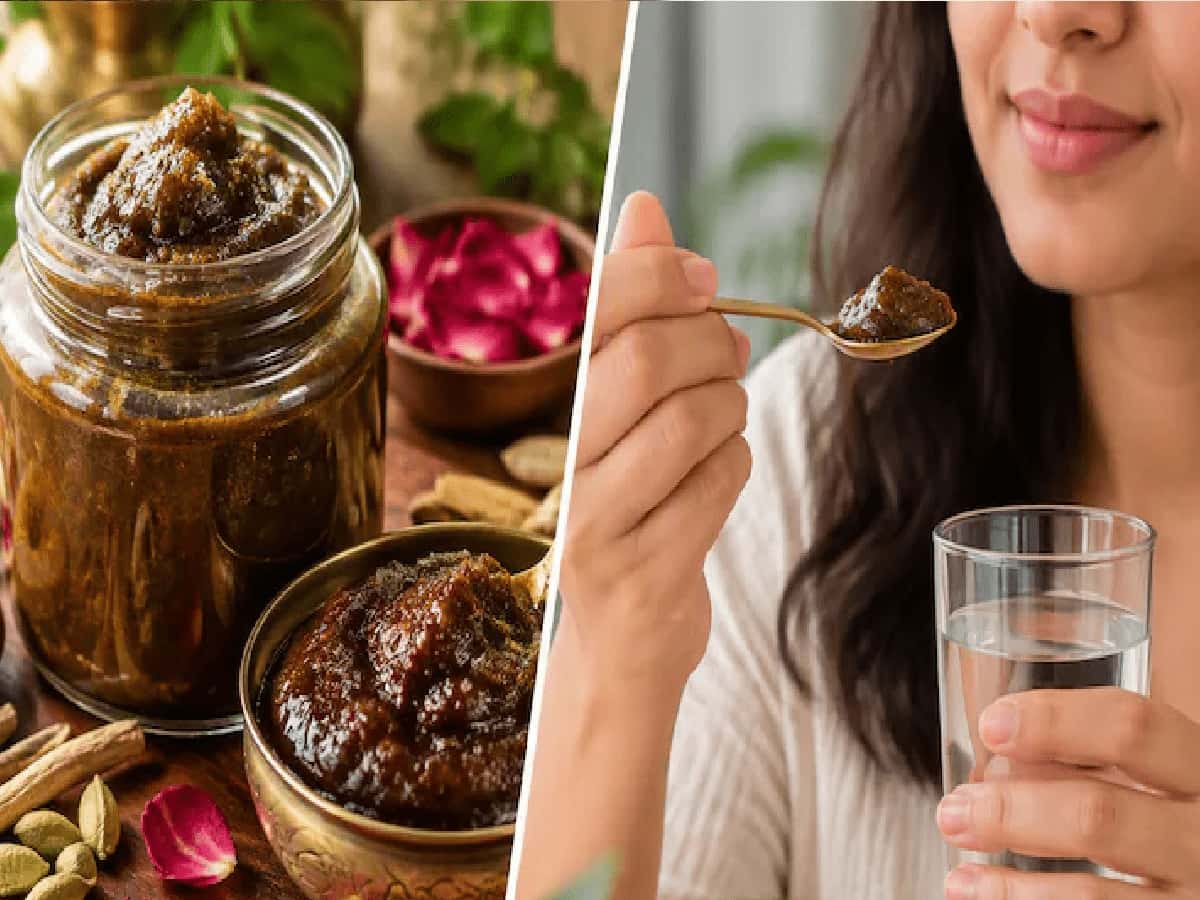
Traditional Formulation Craft: Khamira is a dense, aromatic, semi-solid herbal confection prepared by meticulously combining potent medicinal botanical decoctions, plant extracts, and essential oils into a clarified honey or sugar syrup base.
-
Precious Mineral Fortification: In specialized traditional recipes, the herbal matrix is whipped to incorporate micro-fine edible silver (Warq-e-Nuqra) or gold leaf foils, amplifying its tonic properties and cellular bioavailability.
-
Vital Organ Rejuvenation: Classical Unani clinical doctrine specifies that Khamira directly fortifies the principal organs (Aza-e-Raeesa)—namely the heart, brain, and liver—ensuring that systemic fatigue, chronic sluggishness, and low stamina are neutralized at their metabolic source.
Targeted Clinical Strengths: Fortifying Cardiac Resilience, Mental Acuity, and Immune Defense
Daily therapeutic consumption of this restorative electuary delivers extensive physiological advantages across multiple systems:
-
Cardiovascular Fortification: For individuals troubled by nervous palpitations, sudden cardiac anxiety, chest heaviness, or poor circulation, Khamira acts as an exceptional cardiac tonic, nourishing heart muscle fibers and restoring steady arterial rhythm.
-
Neurocognitive Sharpness and Stress Relief: Dense in adaptogenic and neuroprotective phytonutrients, the tonic eases mental exhaustion, dispels cognitive fog, calms erratic sleep cycles, and enhances working memory, making it invaluable for students and busy professionals under intense cerebral strain.
-
Immune Resistance Against Seasonal Illness: By fortifying foundational mucosal defenses and natural white blood cell vitality, regular intake reduces vulnerability to recurrent upper respiratory tract flare-ups, seasonal coughing, and weather-change chills.
-
Systemic Energy Renewal: By optimizing hepatic metabolic function, the formulation aids healthy digestive assimilation, ensuring clean nutrient delivery that keeps daytime energy levels stable throughout demanding schedules.
Recommended Dosage and Clinical Precautions: Maximizing Therapeutic Efficacy Safely
To extract maximum rejuvenating benefits while maintaining metabolic balance, proper consumption guidelines must be followed:
-
Optimal Daily Serving: The standardized therapeutic dose ranges between half a teaspoon to one teaspoon (approximately 3 to 5 grams) once daily.
-
Ideal Timing and Carrier: Traditional practitioners recommend consuming the dose early in the morning on an empty stomach, accompanied by a cup of lukewarm milk or warm water to accelerate systemic absorption.
-
Important Warning for Diabetic Patients: Because traditional Khamira preparations use concentrated honey or boiled sugar syrup as a natural preservative and base, individuals diagnosed with diabetes or insulin resistance must refrain from using the tonic without explicit supervision and dosage adjustments from a licensed healthcare specialist.




