







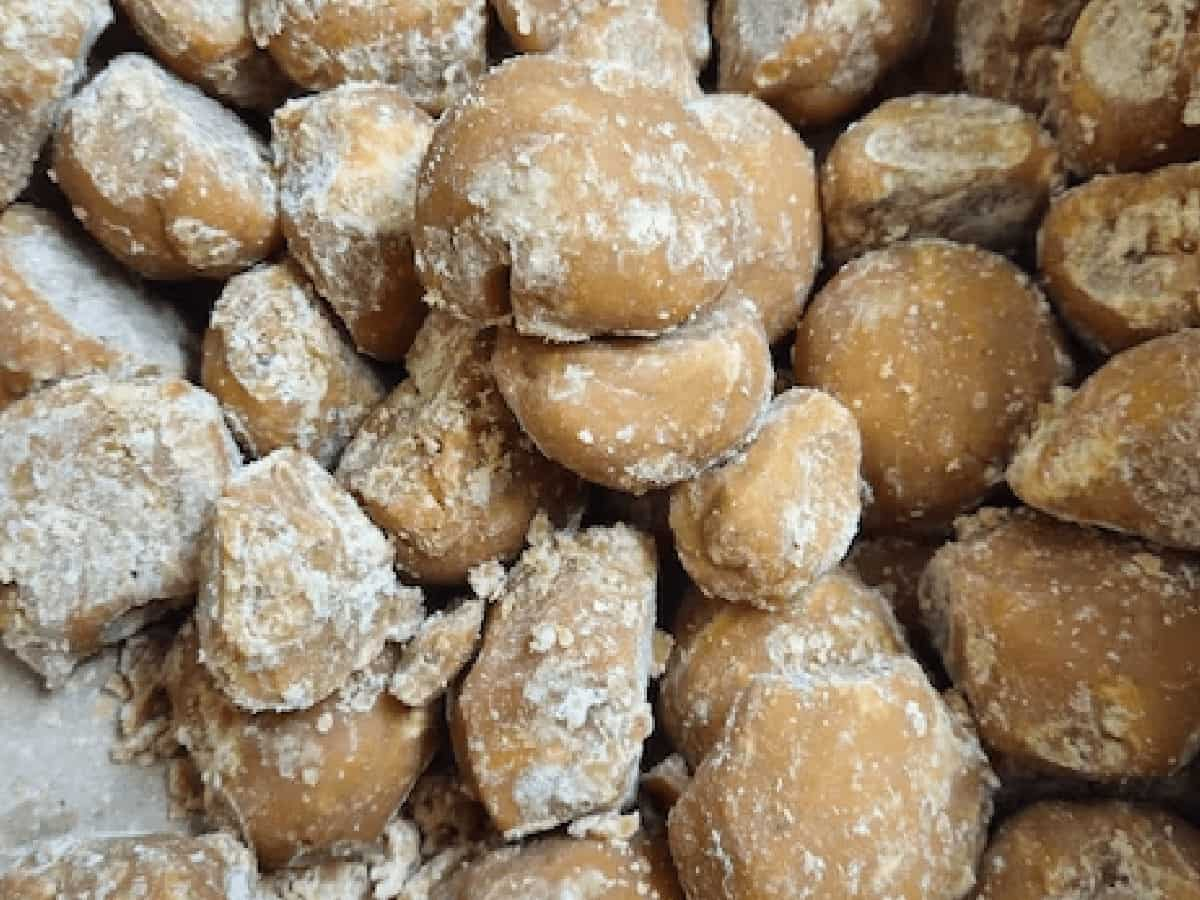
Why Elders Recommend Jaggery in Winter: Lungs & Health Facts
Across Indian households, few winter food traditions are as deeply rooted as finishing a meal with a small piece of jaggery (gur)—or pairing it with roasted sesame seeds (til) and peanuts during cold mornings and evenings. Beyond comforting sweetness, elders have long recommended jaggery in winter on the belief that it keeps the body warm, aids digestion, and supports the lungs when seasonal chill and deteriorating air quality strain breathing. Explaining the nutritional and Ayurvedic perspective behind this age-old practice, Dr. Rajkumar (Ayush) noted in a conversation with Local 18 that unrefined jaggery delivers far more than simple sweetness—providing minerals such as iron, potassium, calcium, and magnesium, alongside small amounts of antioxidants that help counter oxidative stress caused by free radicals. At the same time, modern respiratory specialists emphasize an important distinction: while jaggery is a nutrient-rich winter food that can soothe the throat and support general wellness, it does not physically scrub inhaled fine pollutants like PM2.5 out of the airways. For families, morning commuters, older adults, and health-conscious readers across Uttar Pradesh—including households in Lucknow and neighboring centers such as Unnao, Kanpur, Prayagraj, and Varanasi, where winter smog, sugarcane belt gur traditions, and seasonal respiratory care go hand in hand—understanding both the nutritional strengths and realistic limits of jaggery helps turn tradition into smart daily nutrition.
Key Nutrients in Jaggery and How They Support Winter Wellness
Unlike heavily refined white sugar—which strips away molasses during processing—traditional unrefined jaggery retains trace minerals and plant compounds from sugarcane juice or palm sap:
| Nutritional / Wellness Factor | What Jaggery Contains | Role in Winter & Body Function |
| Essential Minerals | Iron, potassium, magnesium, calcium, and phosphorus (per 100 g: ~11 mg iron, ~70–90 mg magnesium, ~1,050 mg potassium, ~40–100 mg calcium). | Supports red blood cell production, electrolyte and fluid balance, muscle/nerve function, and bone health. |
| Antioxidants | Trace polyphenols and micronutrients such as zinc and selenium. | Helps neutralize free radicals generated by environmental stress and seasonal inflammation. |
| Energy & Warming Effect | Unrefined sucrose and natural carbohydrates with warming (ushna) traditional properties. | Supplies quick yet steady winter warmth and post-meal satisfaction when paired with sesame or peanuts. |
| Digestive Support | Stimulates digestive enzymes after meals. | Helps ease post-meal heaviness and winter constipation when eaten in small portions. |
Does Jaggery Really Protect the Lungs From Winter Air Pollution?
In Ayurveda and traditional winter diets, jaggery is valued for its warming nature, mild throat-soothing comfort, and antioxidant content, which Dr. Rajkumar noted can help the body cope with oxidative stress when dust and winter pollutants irritate the respiratory system. However, pulmonologists and clinical nutrition experts clarify how the body actually handles polluted air:
-
No Physical "Lung-Scrubbing" Action: Because jaggery passes through the digestive tract rather than the windpipe, it cannot physically wash away inhaled smoke, dust, or PM2.5 particles lodged in the lungs. The respiratory system relies on its ownmucociliary clearance to clear trapped irritants.
-
Indirect Nutritional Support: The antioxidants and minerals in jaggery contribute to overall cellular defense and throat comfort—especially when taken in small amounts with warm water, ginger, or turmeric—rather than acting as a standalone shield against smog.
-
Proven Pollution Safeguards Come First: During high-AQI days, doctors stress relying on well-fitting N95/FFP2 masks outdoors, indoor air filtration where needed, prescribed inhalers or medications for asthma/COPD, and an antioxidant-rich diet packed with fruits and vegetables.
How Much Jaggery Is Ideal—and Who Should Be Careful?
Even though jaggery is less refined than white sugar, it remains a concentrated source of natural sugars (roughly 383 calories per 100 grams). Health experts suggest keeping daily intake modest—around 5 to 15 grams (one small bite-sized piece) after meals—rather than consuming large blocks. People living with diabetes or prediabetes should remember that jaggery raises blood glucose just like other sugars and should consume it only within a doctor-approved meal plan. Enjoyed in sensible portions, winter gur remains a wholesome traditional treat that warms the body and supports digestion alongside proven respiratory care.




