







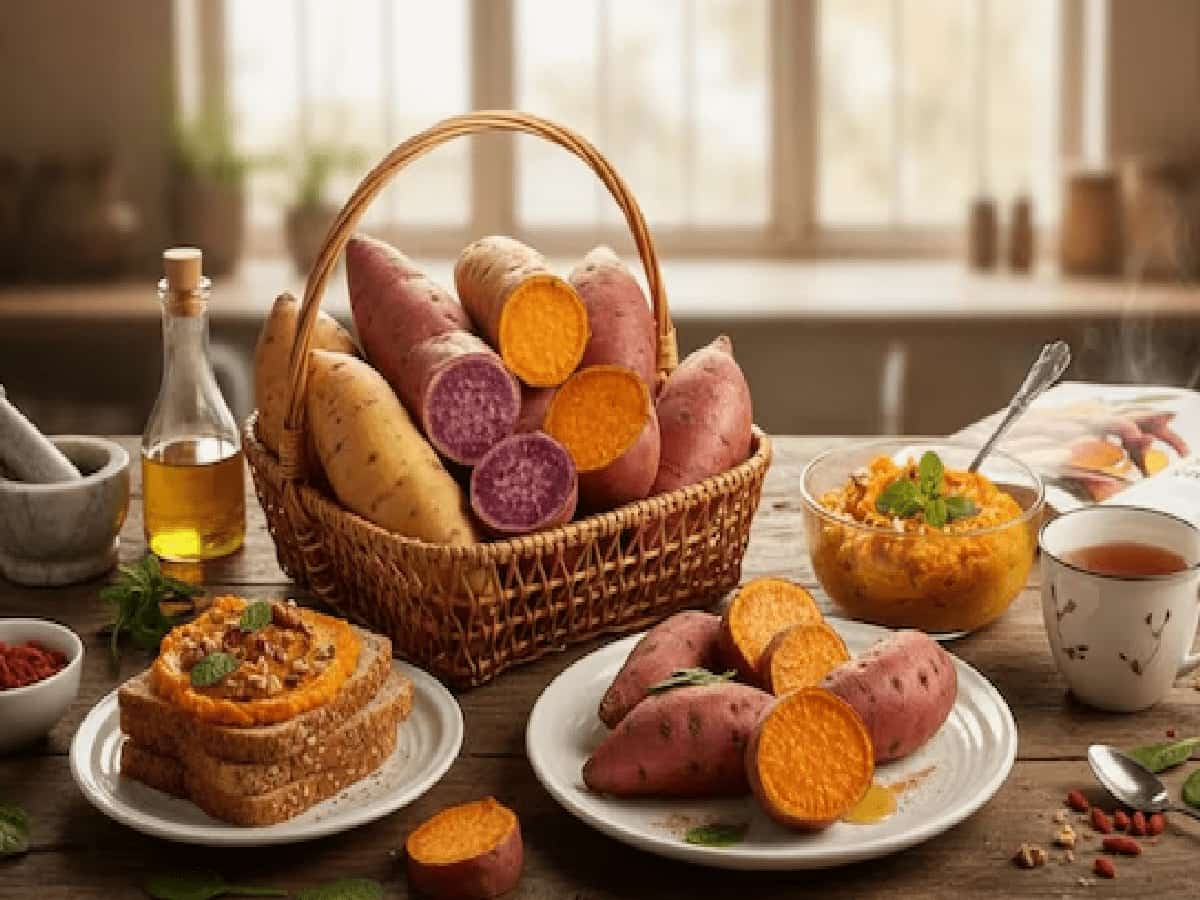
Sweet Potato Benefits in Winter: Immunity, Heart & Gut Health
As winter chill sets in and seasonal colds, sluggish digestion, dry skin, and low energy become everyday complaints, nutritionists and traditional kitchens alike turn to one of the season's most versatile, budget-friendly root vegetables: sweet potato (shakarkandi). Whether roasted over embers, steamed, or boiled and tossed with a squeeze of lemon and roasted cumin, sweet potatoes combine comforting warmth with an impressive concentration of complex carbohydrates, dietary fiber, beta-carotene (provitamin A), vitamin C, potassium, manganese, and plant antioxidants. Unlike refined winter snacks that trigger rapid sugar spikes followed by fatigue, sweet potatoes release energy steadily while supporting immune defense, gut motility, eyesight, skin hydration, and cardiovascular balance. For families, office commuters, fitness enthusiasts, and older adults across Uttar Pradesh—including households in Lucknow and neighboring centers such as Unnao, Kanpur, Prayagraj, and Varanasi, where winter mornings bring fresh shakarkandi carts to local markets and neighborhoods—adding moderate portions of boiled or roasted sweet potato to daily meals is an easy, nourishing winter habit.
Top 10 Health Benefits of Eating Sweet Potatoes in Winter
| Health Area | Key Nutrients Responsible | How Sweet Potatoes Help in Cold Weather |
| 1. Sustained Winter Energy | Complex carbohydrates, starch, B vitamins (including B6) | Delivers slow-release fuel that combats winter sluggishness without sudden energy crashes. |
| 2. Digestive & Gut Health | Soluble and insoluble dietary fiber, resistant starch | Adds stool bulk, eases winter constipation, and feeds beneficial gut bacteria. |
| 3. Stronger Immunity | Vitamin C, beta-carotene (vitamin A), polyphenols/anthocyanins | Supports mucosal barriers and antioxidant defense during peak cold and flu months. |
| 4. Eyesight Protection | Beta-carotene (converted into active vitamin A) | Helps protect corneal health, low-light vision, and age-related eye strain. |
| 5. Healthy, Glowing Skin | Provitamin A, vitamin C, cell-protective antioxidants | Supports skin cell renewal and helps counter winter dryness from within. |
| 6. Weight Management | High dietary fiber + water content in a moderate-calorie package | Promotes satiety, slows stomach emptying, and curbs unnecessary winter snacking. |
| 7. Heart & Blood Pressure Care | Potassium, soluble fiber, antioxidants | Potassium helps balance sodium to support healthy blood pressure, while fiber aids lipid control. |
| 8. Balanced Blood Sugar Response | Resistant starch and fiber (especially when boiled rather than deep-fried) | Boiled sweet potato generally carries a gentler glycemic impact than regular boiled white potato when portioned wisely. |
| 9. Natural Internal Warmth | Nutrient-dense complex calories suited to cold-weather thermogenesis | Satisfies heightened winter calorie needs comfortably without heavy trans fats. |
| 10. All-Round Micronutrient Density | Vitamins A, C, B6, potassium, manganese, copper, and antioxidants | Fills multiple seasonal micronutrient gaps in a single affordable whole food. |
Why Cooking Method and Portion Size Matter
How you prepare sweet potatoes shapes both nutrient retention and blood-sugar response. Boiling, steaming, or dry-roasting preserves fiber and keeps calories clean, whereas deep-frying or loading them with heavy sugar syrups adds unnecessary fats and sugars. Notably, boiling sweet potatoes helps retain more resistant starch—producing a lower glycemic response than baking at high heat—and pairing sweet potato with a small drizzle of healthy oil or yogurt improves absorption of fat-soluble beta-carotene.
Practical Winter Tips and Who Should Moderate Intake
For most healthy adults, enjoying one small-to-medium boiled or roasted sweet potato as a mid-morning snack, post-walk meal, or chaat flavored with lemon juice, black salt, and roasted cumin makes an ideal winter addition. Individuals managing diabetes, chronic kidney disease (due to potassium content), or a history of calcium-oxalate kidney stones should keep portions moderate and consult their doctor or dietitian on how best to fit sweet potatoes into their meal plan.




