







Why Adding 'Poi Ka Saag' to Your Meals Delivers Remarkable Health Benefits
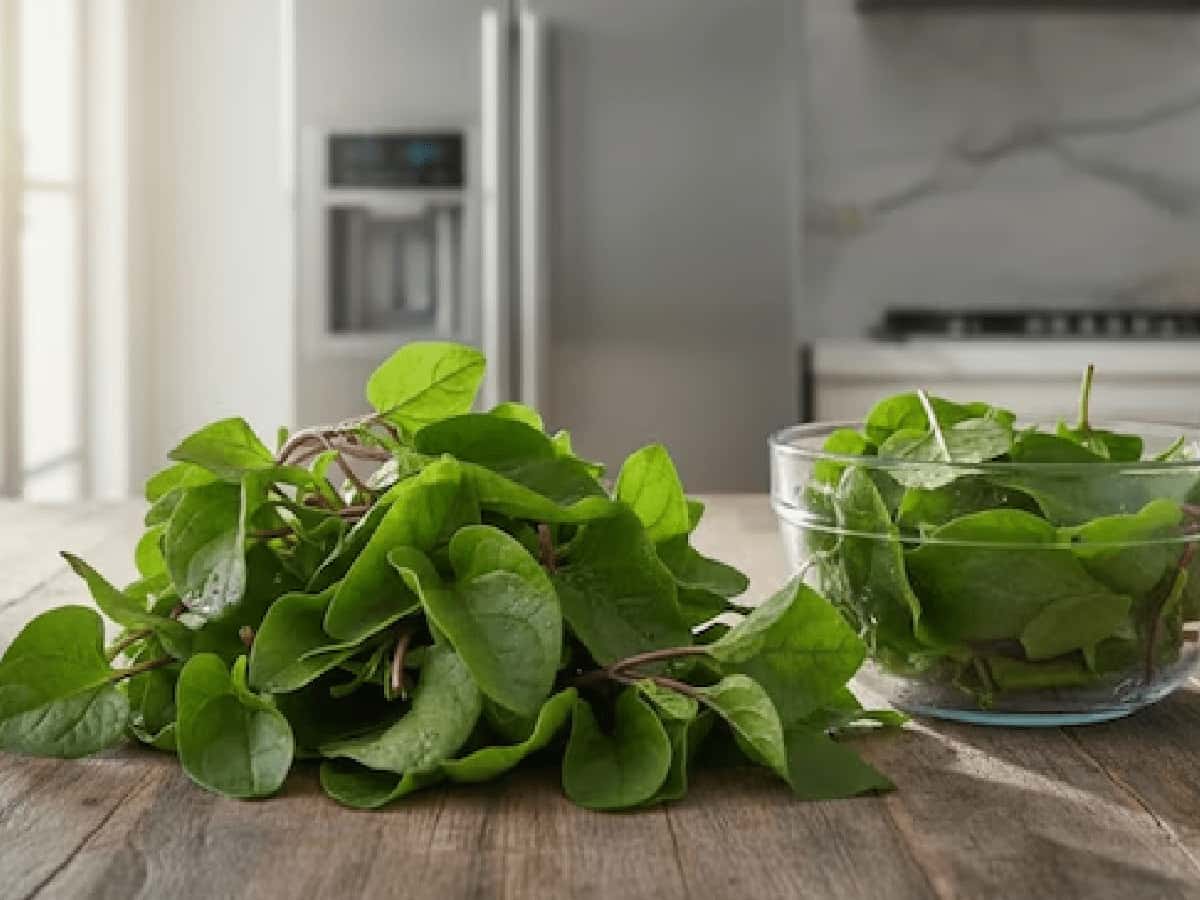
While winter leafy staples like palak and methi dominate conventional urban diets, traditional regional kitchens have long treasured the succulent, nutrient-rich leaves of Basella alba, widely recognized across India as Poi ka saag or Malabar spinach. Featuring fleshy, glossy, and mildly mucilaginous leaves that retain moisture remarkably well, this versatile leafy green has maintained a firm foothold in rural home cooking, often tossed into fragrant lentil preparations, slow-simmered vegetable curries, and regional stir-fries. Beyond its distinct velvety texture, Poi ka saag serves as a compact nutritional goldmine, delivering generous reserves of dietary fiber, bioavailable calcium, blood-building iron, and cellular antioxidants that elevate gastrointestinal motility, reinforce skeletal integrity, and revitalize daily metabolic wellness.
Gut Motility and Digestion: Soluble Fiber Relieves Sluggish Bowels and Acidity
The unique mucilaginous texture and high fiber volume of Malabar spinach make it an exceptional culinary remedy for digestive discomfort:
-
Regulating Bowel Movements: Poi greens are densely packed with soluble and insoluble dietary fiber, providing the necessary bulk to stool to ensure smooth, predictable transit through the gastrointestinal tract.
-
Natural Relief for Constipation: Regular inclusion of these greens helps soften waste and lubricates the intestinal lining, preventing chronic constipation and easing abdominal bloating when paired with adequate daily hydration.
-
Balancing Gut Microbiome: The prebiotic fiber content serves as vital fuel for beneficial intestinal microflora, encouraging a harmonious digestive environment that curbs chronic acidity and heartburn.
Micronutrient Treasure Trove: Replenishing Essential Iron, Calcium, and Magnesium
For individuals seeking natural, plant-based mineral fortification, Poi greens offer a rich reservoir of foundational micronutrients:
-
Combating Dietary Deficiencies: The thick foliage contains significant amounts of elemental iron, supporting healthy hemoglobin synthesis and red blood cell production to fight fatigue and lethargy.
-
Strengthening Skeletal Architecture: Packed with natural calcium and magnesium, Poi leaves support bone mineralization and muscular contractions, making it an excellent supportive leafy green for aging adults and growing children.
-
Multivitamin Bioavailability: The vegetable naturally delivers carotenoids, vitamins, and trace minerals that support everyday physiological balance and immune defense against common seasonal infections.
Antioxidant Shield and Low-Calorie Density: Perfect for Clean Weight Management
For fitness enthusiasts and mindful eaters, Poi ka saag stands out as an ideal high-volume, low-calorie culinary addition:
-
Neutralizing Cellular Oxidative Stress: Rich in beta-carotene, lutein, and potent phytochemical compounds, Malabar spinach scavenges destructive free radicals, shielding cellular walls from environmental and metabolic oxidative damage.
-
Calorie-Conscious Nutrition: Because the leaves consist mostly of water and cellular fiber, a substantial portion provides prolonged satiety with minimal caloric impact, making it ideal for weight management and metabolic health diets.
-
Culinary Simplicity: Steamed or gently sauteed with crushed garlic, a pinch of turmeric, cumin seeds, and yellow lentils, Poi greens create a delicious, low-oil dish that pairs cleanly with warm chapatis or steamed brown rice.
Safe Cooking Practices and Clinical Precautions: Getting the Most Out of Poi Greens
To reap optimal nutritional rewards without digestive friction, proper cleaning and health considerations should be kept in mind:
-
Thorough Washing Protocol: Because Poi stems and leaves grow close to the soil and have a naturally tender surface, wash them multiple times under clean, running water to clear away stubborn dirt, surface grit, and agricultural residues before cooking.
-
Gentle Simmering: Avoid overcooking or deep frying to preserve temperature-sensitive antioxidants and ensure the delicate dietary fiber remains intact.
-
Special Caution for Kidney Patients: Individuals diagnosed with chronic renal disease or those medically advised to restrict high-potassium or oxalate-dense foods should consult a certified dietitian or nephrologist before introducing large quantities of Malabar spinach to their regular meal plans.




