







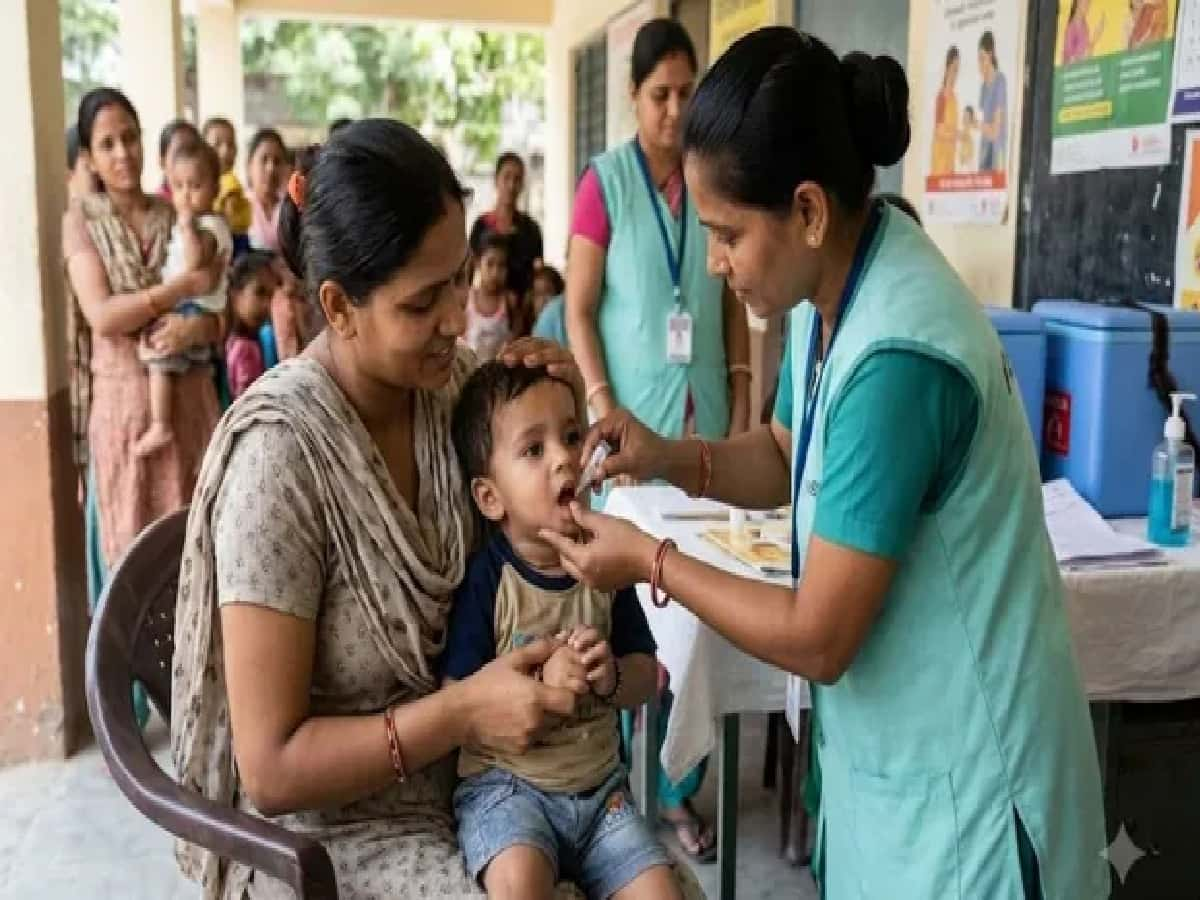
The Critical Science Behind Repeated Drops for Children Under 5
Poliomyelitis remains one of the most aggressive pediatric viral threats in modern medicine, possessing the destructive capability to alter a child's life irrevocably within just a few days of initial exposure. What often begins with mild flu-like symptoms can rapidly progress into irreversible flaccid muscle weakness and lifelong paralysis. According to definitive epidemiological surveillance data published by the World Health Organization (WHO), approximately one out of every 200 children infected with the poliovirus develops irreversible paralysis, most commonly affecting the lower limbs. When the viral invasion migrates to compromise the autonomic muscle groups responsible for respiratory ventilation, between 5 and 10 percent of these paralyzed young patients succumb to asphyxiation. To counter this devastating pathology, public health frameworks rely on the oral polio vaccine (OPV)—popularly recognized across India as the essential "Do Boond" (two drops)—as an indispensable, life-saving immunological shield specifically targeted at children from birth up to five years of age, whose developing immune systems remain highly vulnerable to environmental pathogen colonization.
From Gut Mucosa to the Nervous System: Why Children Require Both Oral Drops and Injectable IPV
The transmission pathway of poliovirus occurs primarily through the fecal-oral route, invading the human host via contaminated drinking water, unhygienic food supplies, or substandard sanitation facilities. Once ingested, the pathogen nests and rapidly multiplies within the intestinal mucosal lining before breaking into the bloodstream to target and destroy motor neurons in the central nervous system. The oral polio vaccine utilizes carefully attenuated (weakened) viral strains that replicate benignly inside the gut, training the child's local immune tissue to produce robust mucosal antibodies (secretory IgA). This localized gut barrier not only shields the vaccinated child from symptomatic infection but critically prevents them from shedding the wild virus into the community, effectively halting public transmission. To achieve total physiological defense, modern immunization schedules combine oral drops with the Inactivated Polio Vaccine (IPV) administered via injection. While OPV establishes a strong frontline barricade in the intestines, the injectable IPV generates powerful systemic antibodies circulating in the bloodstream, providing ironclad cellular protection against neuro-paralytic complications and ensuring the child is fully shielded from both internal damage and external viral spread.
The Science of Repeated Doses: Why a Polio-Free India Cannot Lower Its Guard
A frequent question raised by parents is why children under five must receive the oral polio vaccine repeatedly during every designated Pulse Polio drive, even after having received their initial infant doses. Immunologists explain that mucosal immunity is not built uniformly across all children; individual variations in nutritional status, baseline gastrointestinal health, environmental pathogen exposure, and existing gut microflora mean that a single oral dose rarely guarantees complete seroconversion. Administering repeated doses across scheduled nationwide campaigns systematically reinforces immune memory, ensuring that any missing antigenic gaps are closed until every child achieves a resilient, long-lasting antibody threshold. Furthermore, while India was officially declared polio-free after years of rigorous public health drives, global eradication remains an unfinished mission. With persistent viral pockets and international travel creating ongoing cross-border importation risks, an unvaccinated cohort could quickly reignite local transmission chains. For this reason, healthcare authorities urge families to bring every child under the age of five to their neighborhood vaccination booths during every single Pulse Polio campaign, securing community herd immunity and safeguarding future generations against preventable paralysis.




