







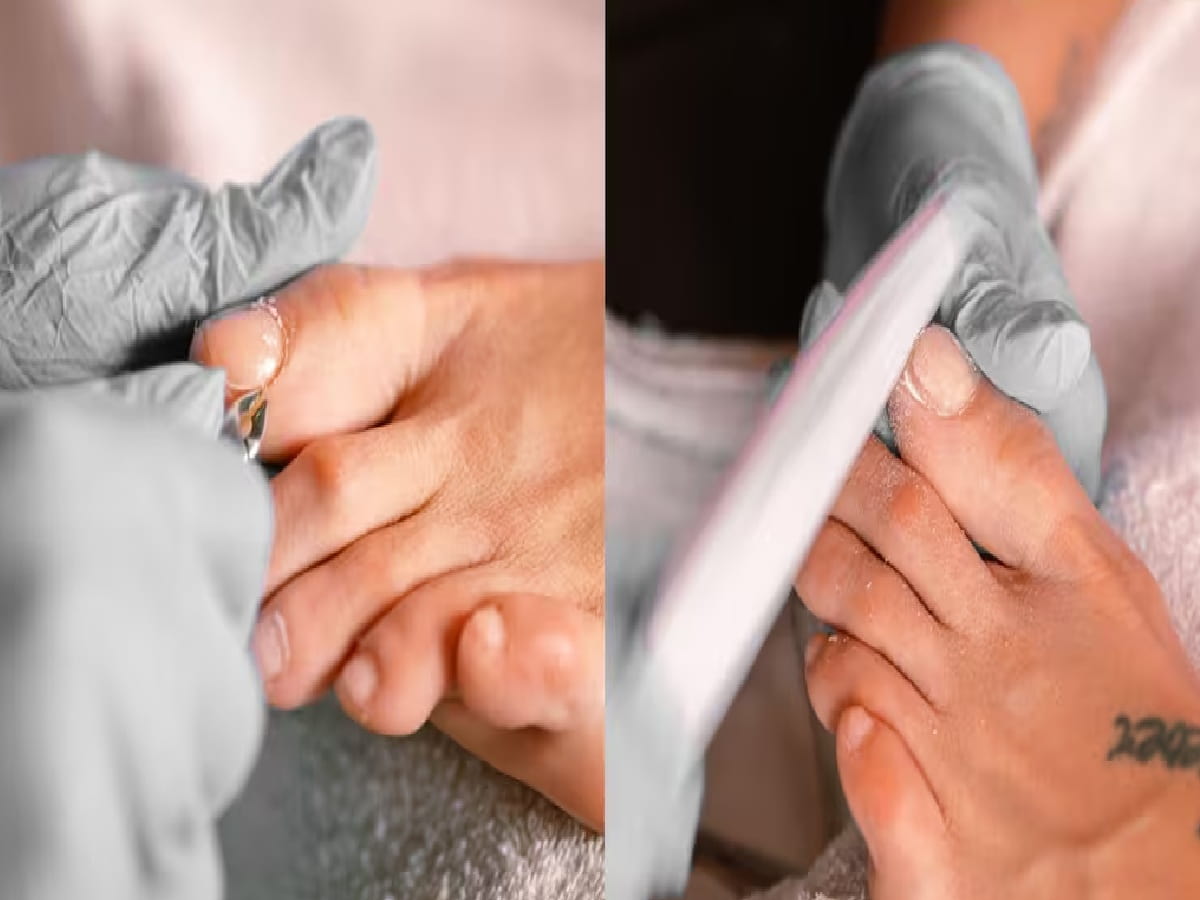
The Safest Way to Clean: Routine to Prevent Odor, Ingrown Nails, and Infections
While daily bathing routines generally focus on overall skin cleanliness, personal foot and toenail hygiene remains one of the most frequently neglected aspects of personal wellness. Throughout the day, the lateral nail folds and cuticles of the toes become natural collection points for environmental dust, moisture, sweat, and sloughed keratinized skin cells. When left uncleaned, this accumulated debris creates a fertile breeding ground for bacterial and fungal colonies, leading to persistent foot odor (bromodosis), inflammation, and serious dermatological complications. Implementing a deliberate, gentle, and medically sound hygiene routine ensures that the sensitive edges of your toenails remain completely clear of grime without compromising the delicate skin barrier that protects your toes.
The Gentle Lukewarm Soak Technique: Safe Cleansing Without Damaging the Nail Bed
The most effective and safe method to dislodge embedded grime from around the toenails begins with thermal softening rather than forceful scraping. Prepare a basin or tub filled with comfortable lukewarm water and soak your feet for several minutes to allow hardened debris, dried sweat, and keratin deposits around the nail margins to loosen naturally. Once the skin is sufficiently softened, wash your feet thoroughly using a gentle, non-irritating soap and water. Rather than using rigid metal tools, gently clean the borders of each toenail using a dedicated soft-bristled nail brush, gliding it lightly along the perimeter without applying excessive downward pressure that could abrade the periungual skin. Following the cleansing process, dry your feet thoroughly with a clean, dry towel, paying meticulous attention to the spaces between your toes, as trapped residual moisture is a primary trigger for fungal infections like athlete’s foot. Medical experts advise strictly against using scalding hot water, which strips the skin of its essential natural oils and induces severe dryness and cracking.
Critical Grooming Errors: Why Probing With Sharp Objects and Rounding Corners Spells Disaster
When attempting to remove stubborn dirt from the sides of their toenails, many individuals make the dangerous mistake of using improvisational, sharp instruments such as sewing needles, safety pins, nail files, or razor blades. Inserting sharp objects into the lateral nail grooves or probing aggressively under the nail plate can puncture the protective cuticle seal or tear the sensitive hyponychium tissue underneath, directly introducing pathogens into the bloodstream and triggering painful bacterial infections such as paronychia. Furthermore, aggressive trimming habits pose severe long-term risks: clipping toenails excessively short or cutting deep, curved angles into the corners disrupts natural nail growth mechanics, forcing the regrowing nail to pierce the adjacent lateral skin fold and resulting in painful ingrown toenails (onychocryptosis). To maintain structural integrity, nails should always be trimmed straight across using a clean, sanitized personal nail clipper that is never shared with other household members to prevent cross-contamination.
Daily Preventive Foot Care, Warning Signs, and Essential Protocols for Diabetic Patients
Preventing chronic dirt accumulation requires establishing consistent daily lifestyle habits alongside proper footwear management. Wash your feet daily with soap and water, ensure complete drying before wearing footwear, and always put on fresh, clean socks made of breathable fabrics. Individuals who suffer from hyperhidrosis (excessive foot sweating) should change their socks multiple times throughout the day and select footwear engineered with adequate ventilation and airflow channels to keep feet dry. It is equally important to recognize when localized irritation transcends simple dirt accumulation; symptoms such as lingering redness, localized swelling, throbbing pain, persistent foul odor, or the formation of pus beneath the nail fold signal an active bacterial or fungal infection that requires formal medical intervention rather than home cleaning. Individuals diagnosed with diabetes mellitus or chronic peripheral circulatory disorders must exercise heightened vigilance: due to reduced nerve sensation and compromised blood flow, minor self-inflicted grooming injuries can rapidly degenerate into severe, non-healing ulcers and systemic infections, making it imperative to consult a qualified physician or podiatrist at the earliest sign of foot distress.




