







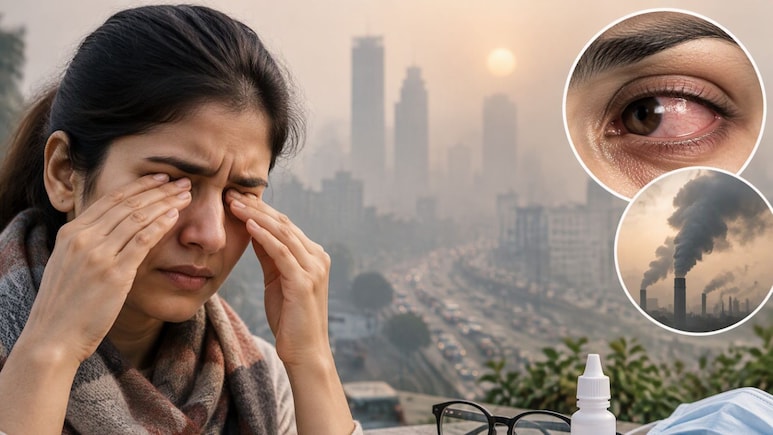
Severe AQI Triggers Eye Burn And Itchiness: Expert Care Tips
As hazardous smog and thick particulate matter shroud cities following seasonal changes, public health concerns instantly shift toward respiratory protection, masks, and air purifiers. However, amidst this annual environmental crisis, an equally vulnerable and frequently neglected organ faces the brunt of toxic air: our eyes. Hospitals and eye clinics across urban centers are witnessing a sharp spike in patients complaining of severe eye burning, persistent redness, gritty sensations, and involuntary excessive watering. When the Air Quality Index (AQI) plunges into severe zones, microscopic pollutants, volatile organic compounds, and heavy dust particles directly attack the delicate tear film protecting the eye's surface. Understanding how bad air quality wrecks ocular health and learning how to protect your vision with expert-recommended measures is essential for surviving the smog season safely.
How Poor Air Quality and Toxic Smog Damage Your Eyes
The human eye is an exceptionally sensitive sensory organ exposed directly to the external environment. When outdoor air is heavily saturated with fine particulate matter (PM2.5 and PM10), toxic gases, and industrial emissions, these hazardous substances settle immediately on the conjunctiva and cornea. This continuous chemical and physical assault destabilizes the eye's natural tear film, leading to rapid evaporation of moisture. Consequently, individuals experience a condition closely resembling chronic dry eye syndrome, accompanied by acute inflammation, allergic conjunctivitis, and stinging pain. The eyes naturally attempt to flush out these foreign micro-irritants by producing excess tears, creating a frustrating cycle of watery yet intensely dry and irritated eyes that worsens every time you step outdoors.
Why You Must Resist the Urge to Rub Your Eyes
When eyes burn or feel like they are full of dust, human instinct immediately drives us to rub them vigorously for relief. Ophthalmologists emphasize that this is the worst possible reaction you can have during high-pollution days. Rubbing gritty, irritated eyes causes the microscopic jagged particulate matter trapped under the eyelids to scrape directly against the delicate corneal epithelium, leading to micro-abrasions, severe inflammation, and potential corneal scratches. Furthermore, hands carry numerous germs and secondary pollutants picked up from public surfaces, introducing bacteria and increasing the risk of painful infectious conjunctivitis. Instead of scratching or rubbing, experts advise blinking frequently to stimulate natural tear flow or using safe, non-pharmacological soothing methods to manage acute discomfort.
Expert-Recommended Daily Habits to Protect Your Vision
Safeguarding your eye health amid severe AQI levels requires conscious adjustments to your daily lifestyle and outdoor habits. First, adopt the habit of wearing physical barriers; wrap-around sunglasses or clear protective eyeglasses serve as an effective shield, deflecting a significant volume of airborne dust and wind-borne pollutants away from your ocular surface when commuting. Second, maintain rigorous eye hygiene by washing your face, eyelids, and eyelashes gently with clean, cool water immediately after returning indoors from high-pollution areas. Additionally, staying adequately hydrated by drinking eight to ten glasses of water daily helps maintain optimal internal fluid balance, supporting natural tear production to combat environmental dryness.
Using Lubricating Eye Drops and Cold Compresses for Relief
To manage ongoing irritation and wash away accumulated microscopic pollutants, over-the-counter lubricating eye drops—commonly known as artificial tears—serve as an effective remedy. Ophthalmologists recommend keeping preservative-free artificial tears handy to frequently flush and moisturize the eyes throughout the day, especially for individuals who spend long hours working in front of digital screens or commuting through heavy traffic. If your eyes feel hot, swollen, or inflamed after a long day outdoors, applying a clean, sterile cloth soaked in cold water as a gentle cold compress over your closed eyelids for ten to fifteen minutes provides immediate relief, constricting dilated blood vessels and calming acute irritation.
When to Seek Professional Medical Help From an Eye Specialist
While minor pollution-induced irritation typically responds well to protective eyewear, artificial tears, and proper home care, certain persistent symptoms demand immediate evaluation by a certified ophthalmologist. If you experience prolonged blurred vision, severe light sensitivity (photophobia), intense throbbing pain, thick yellow or green discharge, or if redness does not subside after a couple of days of consistent care, do not ignore these warning signs. These symptoms may indicate deeper corneal damage, severe chemical conjunctivitis, or chronic ocular surface disease requiring prescription anti-inflammatory or antibiotic eye drops. Prioritizing proactive eye care ensures that seasonal smog does not translate into long-term visual complications.




