Pulmonologists Flag 5 Warning Signs of Serious Lung Disease on World Lung Day
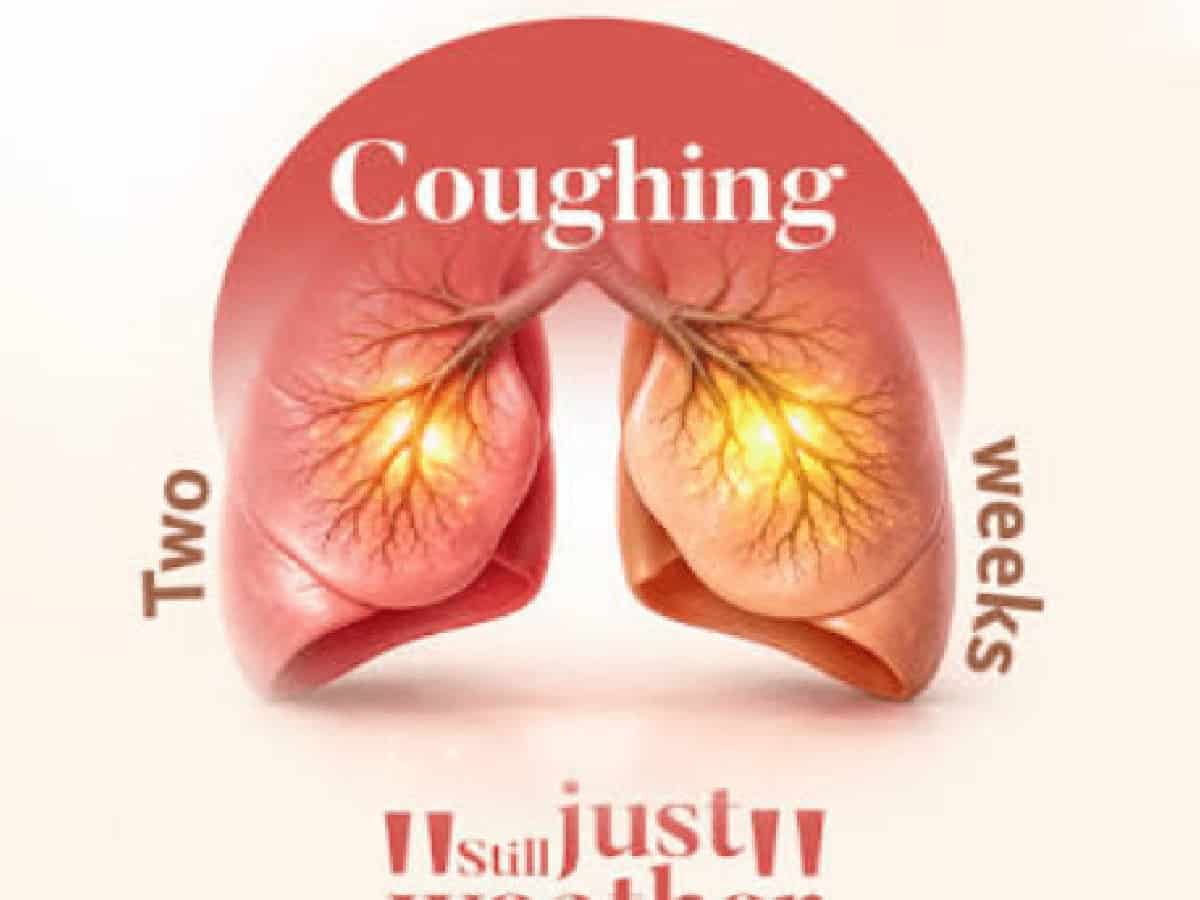
Observed annually on September 25, World Lung Day brings renewed focus to respiratory health and early clinical diagnosis. While most people brush off an irritating cough as a temporary nuisance that will resolve on its own, medical experts emphasize that treating every cough casually can delay vital treatment for severe underlying conditions. Coughing serves as the body’s innate physiological reflex to clear allergens, foreign debris, and excess mucus from bronchial pathways, often lingering for days following a viral cold. However, according to Dr. Manish Kumar Agarwal, Principal Director of Chest Diseases and Interventional Pulmonology at Max Super Speciality Hospital, Shalimar Bagh, New Delhi, evaluating a cough requires assessing whether the condition is genuinely improving or masking deeper respiratory trauma, bacterial infections, or structural lung disease.
The Timeline Rule: Differentiating Acute Infections from Chronic Respiratory Disorders
A standard viral upper respiratory infection typically clears within two to three weeks. Pulmonology guidelines categorize a cough persisting between three to eight weeks as "subacute," while any cough lasting longer than eight weeks in adults is clinically defined as "chronic." Prolonged coughing spells often point to chronic obstructive pulmonary disease (COPD), bronchial asthma, gastroesophageal reflux disease (GERD), post-nasal drip syndrome, or bronchiectasis rather than a lingering seasonal cold. Rather than cycling through various over-the-counter cough syrups that merely numb the throat reflex, individuals with persistent symptoms need diagnostic pulmonary function tests to identify and treat the root mechanical or inflammatory cause.
5 Critical Red Flags: When Sputum, Breathlessness, and Fever Demand Urgent Care
Clinical guidelines from the American Thoracic Society (ATS) outline critical symptoms that elevate a cough from a minor ailment to a medical emergency:
-
Hemoptysis (Coughing Up Blood): While minor capillary irritation from violent hacking can produce faint red streaks, frequent or copious blood in phlegm points to tuberculosis, pulmonary embolism, acute bronchitis, or lung malignancy.
-
Acute Breathlessness and Chest Tightness: Wheezing, whistling sounds during exhalation, or sharp chest pain may indicate an acute asthma flare-up, pleurisy, or an impending cardiopulmonary crisis.
-
Persistent or Recurrent High Fever: A fever that returns with chills, profound fatigue, and shortness of breath often signals bacterial pneumonia. In high-burden regions like India, a lingering cough paired with low-grade evening fever, night sweats, and unexplained weight loss requires immediate screening for pulmonary tuberculosis (TB).
-
Progressive Severity and Sleep Disruption: A cough that worsens over time, fractures sleep architecture, or returns with heavier purulent sputum production indicates deteriorating airway function.
-
Dangers of Self-Medicating with Antibiotics: Viral infections, allergic asthma, acid reflux, and smoking-induced bronchitis do not respond to antibacterial drugs. Indiscriminate antibiotic use exposes patients to drug toxicity while accelerating global antimicrobial resistance.