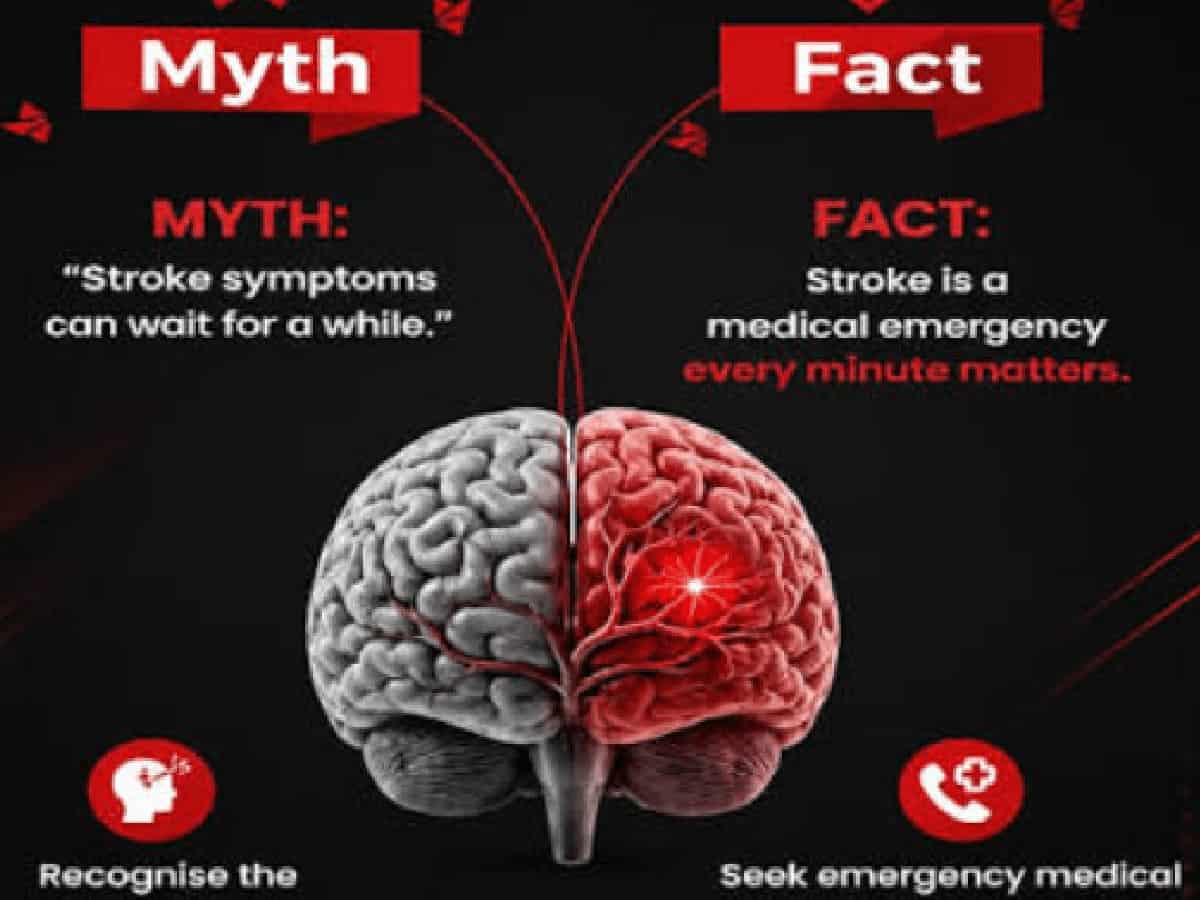
Myth vs Medical Fact: Can Extreme Anger and Sudden Stress Cause a Brain Vein to Burst
In an era dominated by relentless daily deadlines, personal friction, and chronic workplace stress, sudden explosive bouts of anger over trivial issues have become an alarming commonplace phenomenon. This widespread emotional volatility frequently sparks a critical medical question: can flying into a furious rage actually cause a blood vessel in your brain to burst? While the popular belief that rage directly "pops" a healthy cranial artery is a physiological misconception, medical science warns that the sudden adrenaline rush accompanying intense emotional outbursts can trigger catastrophic intracranial consequences for individuals unknowingly harboring pre-existing vascular weaknesses. Understanding how extreme psychological stress alters cardiovascular and cerebral hemodynamics provides crucial insight into preventing life-threatening neurological emergencies.
The Fight-or-Flight Surge: How Adrenaline Puts Cranial Blood Vessels Under Severe Pressure
Whenever an individual experiences acute emotional fury or overwhelming panic, the brain immediately activates its primitive fight-or-flight survival mechanism. This neurochemical reflex triggers an instant surge of stress hormones, primarily adrenaline and cortisol, causing peripheral blood vessels to constrict, the heart rate to accelerate, and systemic arterial blood pressure to spike sharply within seconds. For a person with healthy, flexible vascular walls, this temporary hemodynamic surge is safely absorbed and regulated. However, for individuals living with unmanaged arterial hypertension, vascular stiffening, or structural wall anomalies, this sudden hyper-acute spike in intravascular pressure places immense mechanical strain on delicate cerebral circulation.
The Aneurysm Vulnerability: Subarachnoid Hemorrhage Red Flags and Timely Prevention
The true danger of acute rage lies in its interaction with a cerebral aneurysm—an abnormal, balloon-like bulge forming at a thinned or structurally defective junction of an intracranial artery. While countless silent aneurysms remain dormant and asymptomatic throughout an individual's lifetime, an explosive spike in systolic pressure caused by extreme anger or violent physical exertion can act as the mechanical trigger that ruptures this fragile arterial pouch. A ruptured aneurysm unleashes arterial blood into the subarachnoid space surrounding the brain, causing a subarachnoid hemorrhage—a critical medical emergency. Clinically, this manifests as a "thunderclap headache," characterized by an explosive, excruciating head pain unlike anything previously experienced, accompanied by projectile vomiting, acute neck stiffness, blurred vision, seizures, or sudden loss of consciousness. Medical experts emphasize that while emotional control alone cannot cure vascular defects, strictly managing baseline blood pressure, quitting smoking, and seeking urgent neurological evaluation for atypical severe headaches remain the most effective defenses against a lethal rupture.