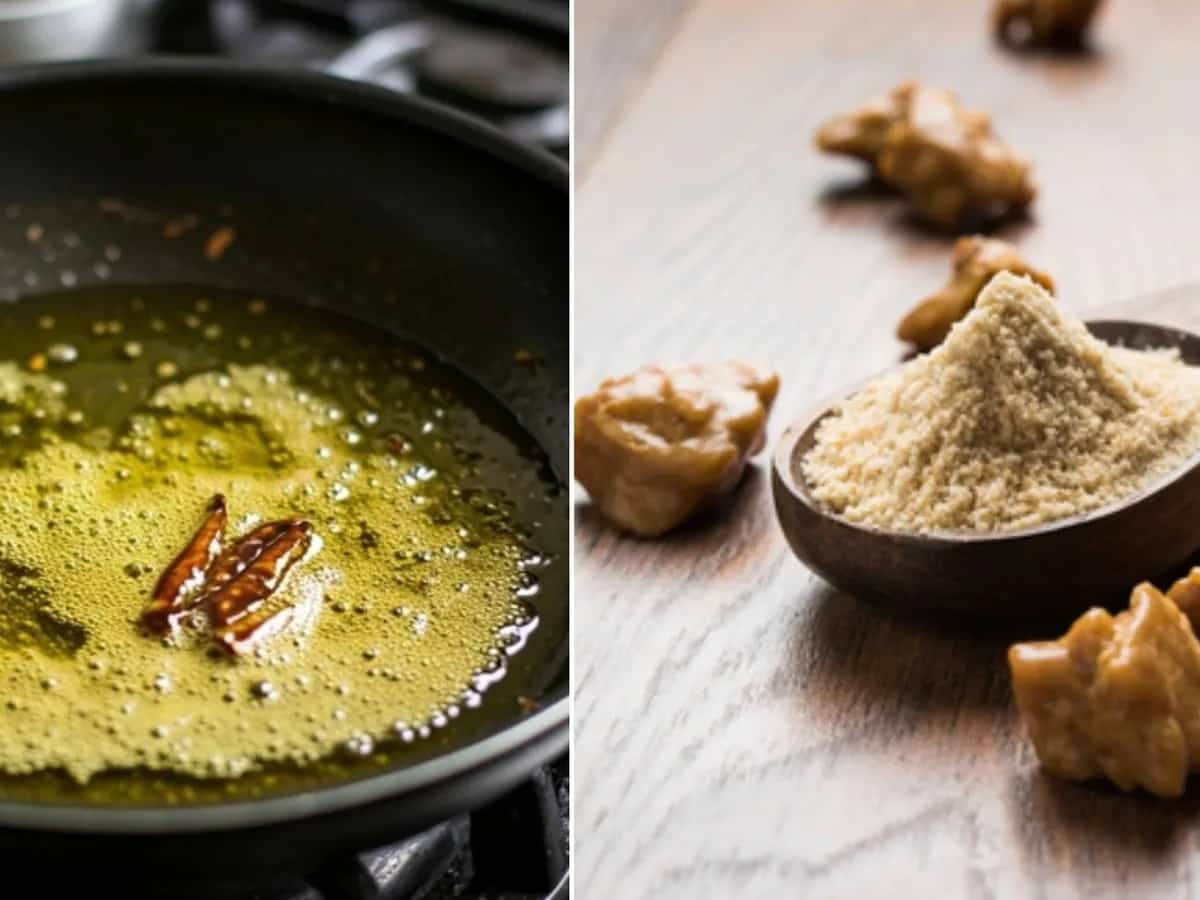
Is Your Hing Pure or Fake, 3 Easy Home Tests to Check Asafoetida Adulteration
Asafoetida, universally known as hing, is an indispensable spice in Indian kitchens. Even a tiny pinch can completely transform the aroma and flavor of dals, curries, and sabjis, while also offering powerful digestive benefits. However, with recent Food Safety and Standards Authority of India (FSSAI) investigations highlighting quality concerns, market adulteration has become a major worry. If you suspect that your store-bought asafoetida is mixed with fillers like starch, flour, or salt, you can easily verify its purity using three simple home tests.
Common Adulterants and Health Risks of Fake Hing
To cut costs or increase product volume, manufacturers sometimes mix inferior substances into commercial asafoetida. When you consume adulterated hing, you miss out on its authentic medicinal and digestive properties. Worse yet, contaminated ingredients can trigger gastrointestinal discomfort, leading to gas, bloating, indigestion, stomach pain, or allergic reactions and skin irritation. Checking your spices before cooking is essential for safeguarding your family's health.
3 Simple Ways to Test Asafoetida Purity at Home
Before adding hing to your daily meals, perform these quick, preliminary tests right in your kitchen:
-
1. The Aroma Test: Pure, high-quality asafoetida possesses an intensely sharp, potent fragrance. Even a minuscule amount will release a strong, distinct aroma. If the scent is remarkably faint, dull, or smells artificial, it may be heavily diluted with foreign ingredients.
-
2. The Water Dissolution Test: Drop a small amount of hing into a glass of clean water and observe how it reacts. Genuine asafoetida dissolves slowly, turning the water a milky-white shade. If large particles settle instantly at the bottom or separate unevenly, the product is likely contaminated with fillers.
-
3. The Fire Burn Test: Pure asafoetida catches fire easily and burns with a bright, steady flame. When tested with fire, authentic hing should not leave behind excessive, heavy ash. A thick layer of leftover ash typically indicates adulteration.
Key Things to Check When Buying Asafoetida
Beyond home tests, always inspect the packaging carefully before making a purchase. Genuine asafoetida naturally ranges in color from pale yellow to brownish hues; if it looks unnaturally bright or chalky white, read the label closely. Always check the ingredient list for hidden starches or flour, verify manufacturing details, and ensure the product is well within its expiry date.