







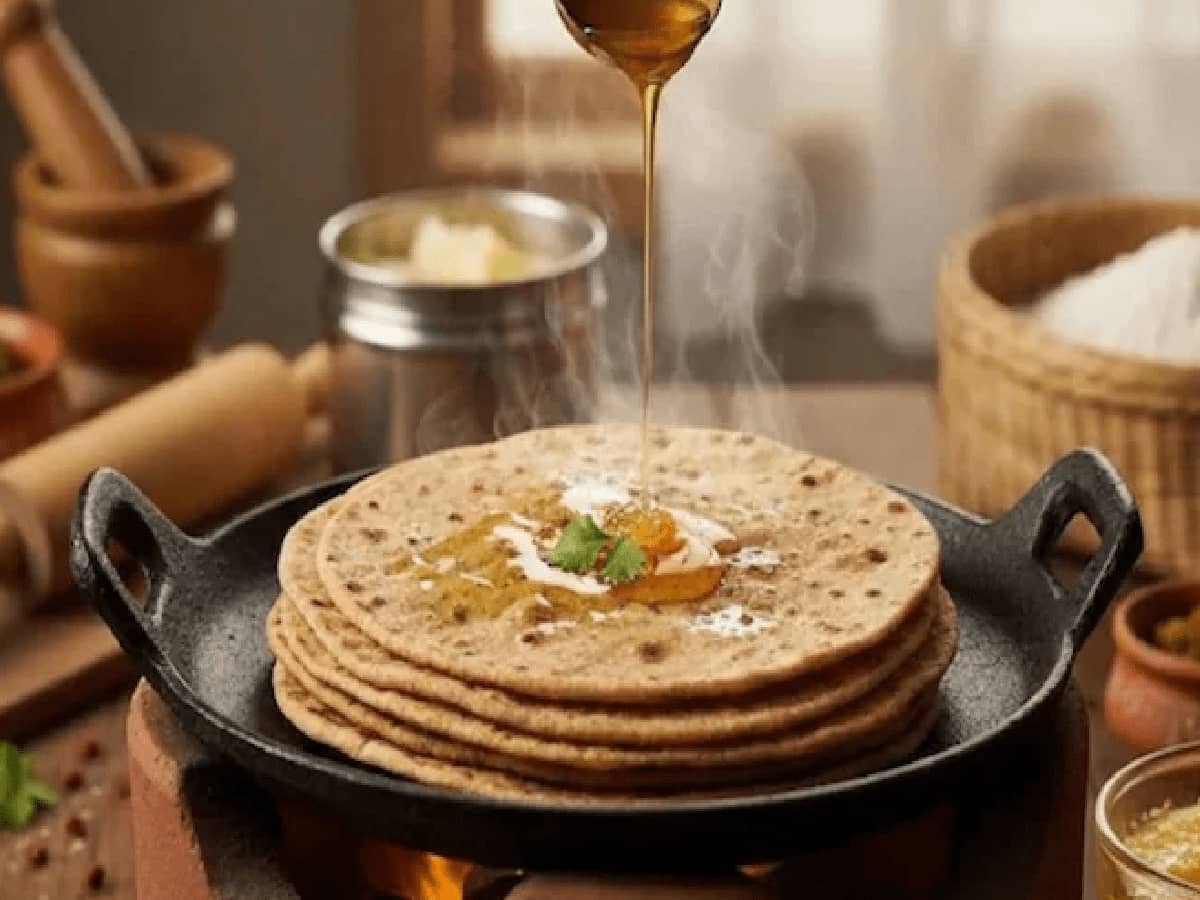
Is Eating Chapati With Ghee Good or Bad, Kanpur Doctor Explains
In almost every Indian kitchen—from family dining tables across Uttar Pradesh in Kanpur, Unnao, and Lucknow to homes nationwide—a hot chapati brushed with a light layer of desi ghee is considered comfort food at its simplest. Yet over the past decade, fears surrounding weight gain, rising cholesterol, and sedentary routines have made many people hesitate before reaching for the ghee jar. Is applying ghee on your daily roti actually harmful, or does traditional wisdom hold real nutritional merit? Addressing this everyday dilemma in a video shared on the YouTube channel @TheGastroLiverHospitalKanpur, senior Kanpur gastroenterologist Dr. V. K. Mishra broke down what happens inside the body when you eat chapati with ghee in sensible amounts.
Why Ghee-Coated Roti Keeps You Full and Fuels Steady Energy
According to Dr. V. K. Mishra, the most immediate benefit of brushing a small amount of ghee onto hot chapati goes well beyond making the bread softer and far more flavorful. Whole-wheat chapati supplies complex carbohydrates and dietary fiber, while ghee contributes wholesome, naturally occurring fatty acids. When eaten together, the healthy fats in ghee slow down gastric emptying and carbohydrate breakdown, allowing energy to be released gradually into the bloodstream rather than all at once.
As a result, pairing ghee with roti helps keep the stomach feeling satisfied for longer, curbing sudden mid-morning or late-evening hunger pangs and reducing the urge to reach for sugary or fried snacks. Instead of sabotaging weight management, a controlled portion of ghee on roti can actually support appetite control when overall calories remain balanced.
How Chapati With Ghee Supports Digestion and Gut Health
Digestive comfort is another area where the classic roti-and-ghee combination shines. As Dr. Mishra explains, compounds naturally found in ghee—notably short-chain fatty acids such as butyric acid (butyrate)—help lubricate the digestive tract, support intestinal lining integrity, and encourage smoother bowel movements.
When ghee's soothing lipids team up with the insoluble and soluble fiber present in whole-wheat flour (atta), the duo makes food easier to process and helps prevent dryness or sluggish digestion. For people dealing with occasional constipation or bloating from dry meals, a light spread of ghee often makes chapatis gentler on the stomach.
Brain Function and Cognitive Support From Healthy Fats
Beyond the stomach, dietary fats play a structural and functional role in the nervous system. Ghee provides essential fatty acids and fat-soluble nutrients that support cell membrane health and normal neurological signaling. Consuming ghee in moderation as part of a balanced home-cooked diet helps nourish brain function, supporting everyday memory, focus, and mental stamina without relying on heavily processed cooking oils.
Immunity Boost Through Fat-Soluble Vitamins A, D, E, and K
Ghee is also a natural carrier of key fat-soluble vitamins—Vitamins A, D, E, and K—alongside protective antioxidants. Not only does ghee contain these micronutrients, but its healthy fat profile also improves how efficiently your body absorbs fat-soluble vitamins and phytonutrients from the dal, vegetables, and greens served alongside your chapati. Together, these nutrients help maintain resilient immune defenses, skin and mucosal barrier health, and cellular repair.
Moderation Is the Golden Rule
While eating chapati with ghee offers clear advantages for satiety, digestion, brain health, and nutrient absorption, portion control remains essential. A light brush—roughly half to one teaspoon of pure ghee spread across one or two rotis—delivers benefits without overloading daily calories or saturated fat. Anyone managing elevated LDL cholesterol, heart disease, severe fatty liver, or strict calorie targets should tailor daily ghee intake in consultation with their doctor or clinical nutritionist.




