







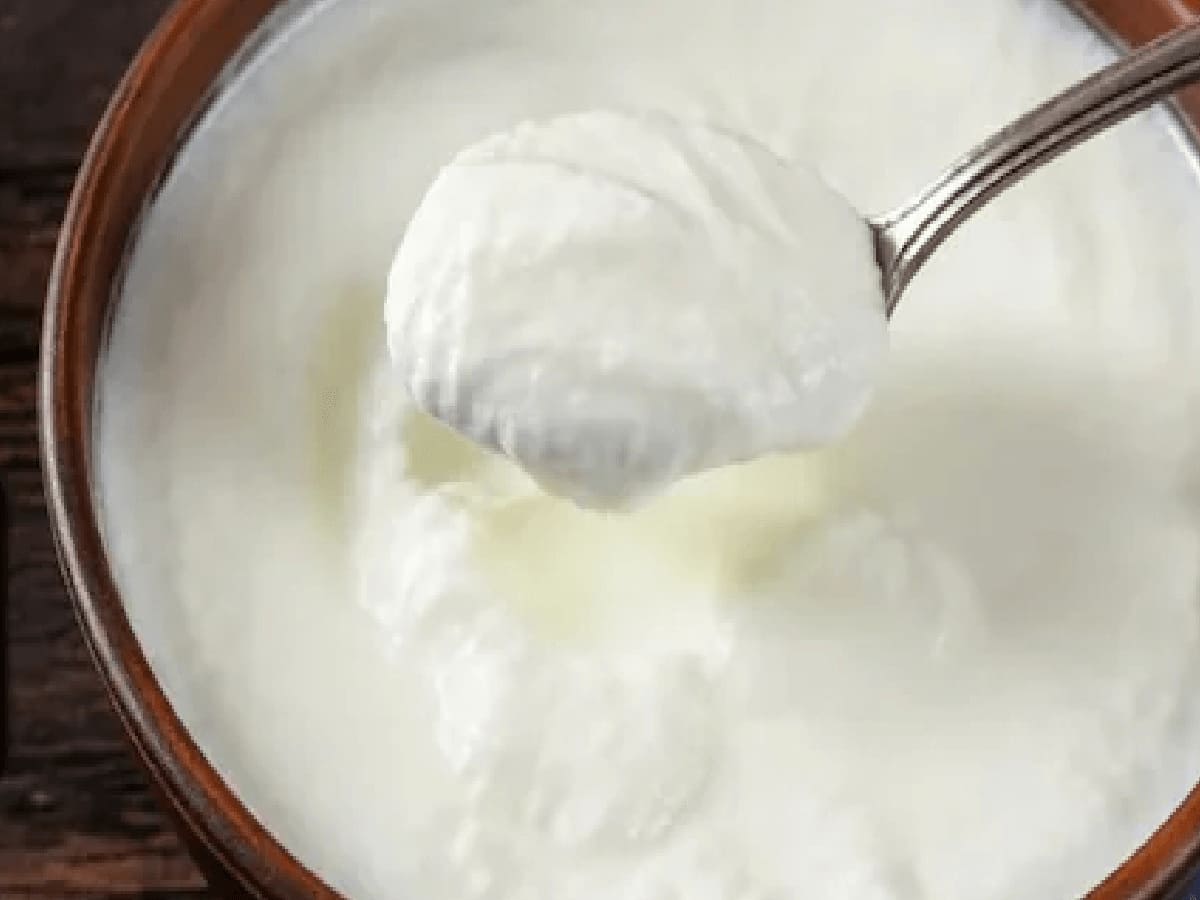
How to Reduce Sourness of Curd? Chef Shares Easy Kitchen Trick
Whether served alongside steaming parathas on a crisp winter morning or whipped into cool raita during scorching afternoons, homemade curd (dahi) holds an irreplaceable spot on Indian dining tables. Across households in Uttar Pradesh—from Unnao, Kanpur, and Lucknow to kitchens nationwide—setting fresh yogurt at home is a daily ritual prized for both flavor and gut-friendly probiotics. Yet even experienced home cooks occasionally open their curd pot only to find it far sharper than intended. Adding slightly too much starter culture (jaman), leaving the bowl in a warm corner for too long, or storing the batch in the refrigerator for an extra day or two can quickly push mild, creamy yogurt into overly tangy territory. Before you toss that batch down the sink, culinary creator Chef Sneha Thakkar has shared an effortless, zero-waste kitchen method on her YouTube channel that restores mild, pleasant balance to sour curd in just an hour.
Why Does Homemade Curd Turn Too Sour in the First Place?
Understanding why yogurt turns sharp helps explain why this simple trick works so well. During fermentation, beneficial lactic acid bacteria convert natural milk sugars (lactose) into lactic acid, which thickens the milk and gives curd its signature tangy aroma. When the starter amount is too generous, ambient kitchen temperatures run warm, or fermentation continues unchecked, excess lactic acid accumulates—much of it suspended in the liquid whey portion of the curd. By gently drawing out and separating that acidic liquid without breaking down the creamy milk solids, you can dramatically soften the sourness.
Step-by-Step: Chef Sneha Thakkar's Ice-Cold Water Trick to Fix Sour Yogurt
According to Chef Sneha Thakkar, rescuing roughly 500 grams (half a kilogram) of overly sour curd requires nothing more than cold water and a little patience:
-
Transfer to a Wide, Deep Vessel: Scoop the sour curd out of its container and place it into a spacious bowl or deep pot so water can sit evenly above the surface without overflowing.
-
Pour Ice-Cold Water Over the Curd: Gently pour ice-cold water over the yogurt until a clean layer of water stands roughly two inches above the curd. Avoid stirring or whisking vigorously, as keeping the curd layer intact helps the whey rise cleanly.
-
Cover and Rest for One Hour: Place a lid or plate over the vessel and let it sit undisturbed for about 60 minutes. During this resting period, the cold water draws excess acidity and pale yellow whey upward toward the surface while keeping the heavier yogurt solids settled at the bottom.
-
Slowly Drain the Top Layer: After an hour, you will notice a distinct light-yellow layer of water floating atop the curd. Carefully tilt the container and pour off that top water slowly so the thick yogurt stays behind.
-
Repeat Only If Needed: For moderately sour curd, a single round noticeably mellows the tang. If the batch was especially sharp, repeating the cold-water soak and gentle drain two to three times brings the taste back to a smooth, balanced consistency.
How to Reuse the Drained Sour Water Instead of Throwing It Away
True to traditional Indian zero-waste cooking, Chef Sneha Thakkar points out that the pale yellow whey drained from the top should never go down the drain. Packed with natural tang, minerals, and subtle fermented depth, that liquid makes an excellent cooking base—especially for kadhi, rustic vegetable curries, dal, or kneading soft chapati dough. Substituting regular water with this tangy whey adds a gentle, savory lift to everyday gravies while ensuring not a drop of your homemade batch goes to waste.
Extra Kitchen Tips to Keep Homemade Curd Mild and Creamy
Once the sourness has been balanced, storing the refreshed curd in an airtight container in the coldest section of the refrigerator slows down further fermentation. For future batches, using just a small spoonful of fresh, non-sour starter culture and refrigerating the bowl as soon as the curd sets cleanly will keep every batch thick, sweet-mild, and ready for meals.




