







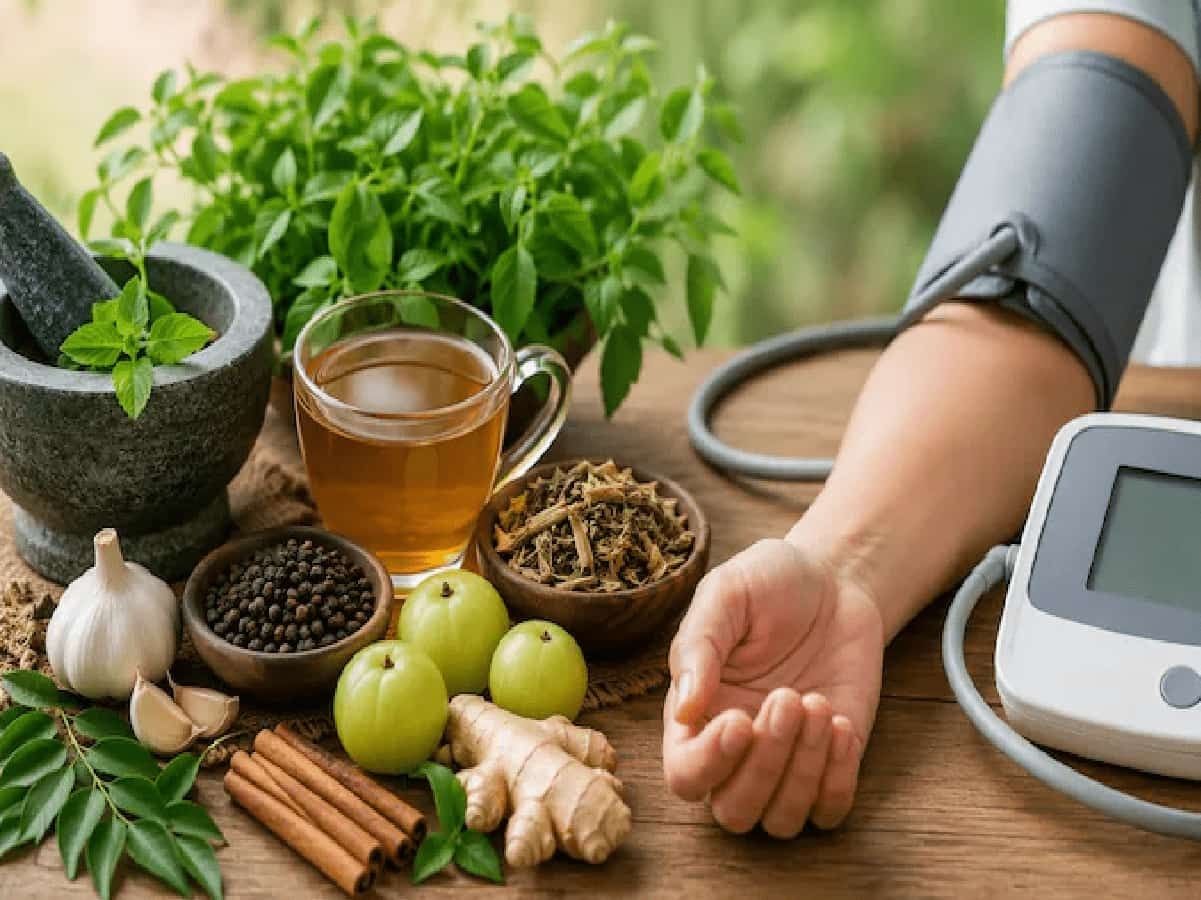
How to Control High BP: Home Remedies & Daily Habits
High blood pressure—clinically known as hypertension—has quietly become one of the most widespread health challenges across modern households. Across busy towns and cities, including communities in Uttar Pradesh like Unnao and Lucknow, long work hours, chronic mental stress, late nights, and frequent meals outside the home are pushing blood pressure readings higher at younger ages. When blood pressure rises, people often describe feeling a heavy head, lightheadedness or dizziness, a racing heartbeat, or general fatigue, though high BP can also climb without obvious warning signs. While natural kitchen remedies can support overall cardiovascular wellness, one rule must stay front and center: if your blood pressure is elevated or diagnosed as hypertension, never stop or replace prescribed medications on your own. Home habits work best as supportive additions alongside medical care.
Why Does Blood Pressure Rise in the First Place?
Understanding what drives hypertension helps clarify why simple food tweaks alone cannot solve every case. Excess dietary sodium—most commonly from heavy table salt, pickles, papads, packaged snacks, and restaurant food—causes the body to retain fluid, increasing pressure against blood vessel walls. Over time, frequent consumption of deep-fried foods, weight gain or excess abdominal fat, tobacco use, heavy alcohol intake, poor sleep quality, and persistent stress place extra strain on the heart and arteries. Family history and genetics also play a major role, meaning even people who try to eat carefully can inherit a predisposition to high blood pressure.
Kitchen Remedies Often Used to Support Blood Pressure
Many households turn to familiar pantry staples to complement a heart-smart routine, though individual responses vary and clinical guidance remains essential:
-
Garlic: Raw and cooked garlic contain sulfur compounds such as allicin, which research associates with blood vessel relaxation and modest improvements in blood circulation. Some people chew one to two small cloves of raw garlic in the morning followed by warm water, while others add extra crushed garlic to daily vegetable dishes and dals. Because raw garlic can irritate sensitive stomachs or interact with blood-thinning medications, start gently and check with a doctor if you take daily prescriptions.
-
Fenugreek Seeds and Celery: Soaking a teaspoon of fenugreek (methi) seeds in a glass of water overnight, straining it, and drinking the infusion in the morning is a traditional practice often used to support both metabolic balance and blood pressure control. Including fresh celery and potassium-rich vegetables in meals can also help balance sodium in the diet.
-
Cinnamon: Adding a small pinch or piece of cinnamon (dalchini) to morning tea or warm water adds aromatic flavor without extra sugar or salt, and is widely favored for supporting steady blood sugar and cardiovascular habits.
-
Amla (Indian Gooseberry): Rich in Vitamin C and antioxidant polyphenols, fresh amla or diluted amla juice during winter and year-round offers strong nutritional support for blood vessel health and overall immunity.
Building Sustainable Habits and Knowing When to Seek Care
Lasting blood pressure control rarely comes from a single ingredient; it grows out of consistent daily routines. Cutting back on excess salt, choosing home-cooked meals rich in vegetables, fruits, whole grains, and pulses, getting regular brisk walks or moderate exercise, sleeping well, and practicing stress-relieving habits make a measurable difference over time. Check your blood pressure regularly using a reliable monitor, and seek prompt medical attention if readings spike sharply or if you experience chest pain, severe headache, sudden shortness of breath, vision changes, or numbness.




