







How Common Viral Infections Like Shingles and Flu Can Spark a Brain Stroke
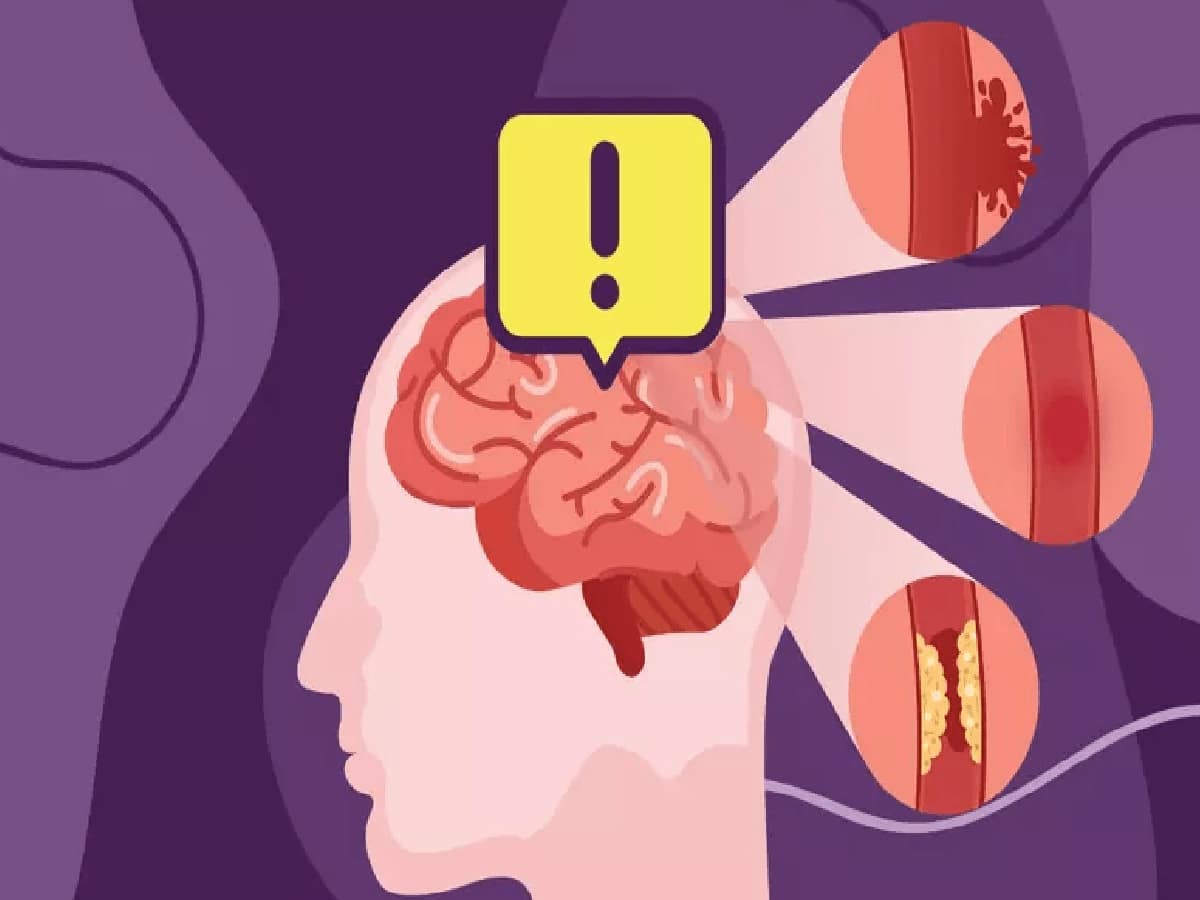
While high blood pressure, type 2 diabetes, elevated LDL cholesterol, chronic smoking, and sedentary routines dominate clinical discussions surrounding cerebrovascular events, leading medical neurologists are highlighting a perilous, under-recognized culprit: common viral infections. Ranking as the fifth leading cause of chronic disability across India, a brain stroke—or "brain attack"—occurs when critical arterial blood circulation to cerebral tissue is obstructed by a clot or interrupted by a ruptured vessel, triggering rapid neuronal death. While weakened vascular walls naturally elevate vulnerability among older demographics, emerging clinical epidemiology confirms that routine viral illnesses, notably seasonal influenza and shingles, act as potent biological catalysts that dramatically heighten acute stroke susceptibility.
The Inflammatory Cascade: How Everyday Viruses Trigger Fatal Arterial Blood Clots
The mechanistic link bridging systemic infections to cerebral infarction centers on immune-mediated systemic inflammation and disrupted coagulation pathways. When the body battles active viral pathogens, the immune system floods the bloodstream with inflammatory cytokines to neutralize the invasion. However, this hyper-inflammatory environment damages delicate endothelial linings along cerebral blood vessels, destabilizes dormant arterial plaques, and stimulates hypercoagulability—a dangerous state where platelets aggregate excessively. This sudden surge in blood stickiness and vascular swelling drastically increases the likelihood of an ischemic thrombus forming and obstructing blood flow directly to vital regions of the brain.
Beyond the Skin Rash: The Alarming Link Between Shingles and Cerebrovascular Damage
Shingles, a painful dermatological condition triggered by the reactivation of the varicella-zoster virus (the underlying pathogen responsible for chickenpox), represents one of the most significant yet neglected stroke indicators. Following an initial childhood bout of chickenpox, the virus retreats into cranial and spinal nerve ganglia, lying dormant for decades until age-related immunosenescence or chronic stress facilitates its revival. Far from being confined to a painful cutaneous blister belt, the reactivated varicella-zoster virus migrates along nerve fibers directly into cerebral arteries. This migration provokes intense viral vasculopathy, inflaming both microscopic and large-caliber intracranial blood vessels, which substantially elevates the risk of stroke in the weeks and months following a shingles flare-up.
Protective Protocols for Adults Over 50: Vaccines, Early Intervention, and Cardiovascular Shielding
Mitigating viral-induced stroke vulnerabilities requires proactive preventive medicine, particularly for adults aged 50 and above who already manage baseline metabolic risk factors. Clinicians advise maintaining vigilant personal hygiene, donning protective masks in densely populated or poorly ventilated environments during viral outbreaks, and obtaining swift clinical evaluations at the earliest onset of unexplained nerve pain or respiratory distress. Furthermore, medical professionals strongly recommend consulting healthcare providers regarding preventative adult immunization regimens—such as annual influenza shots and the recombinant shingles vaccine—alongside heart-healthy dietary habits, consistent aerobic activity, and strict blood pressure monitoring to construct an impenetrable defense against avoidable cerebrovascular complications.




