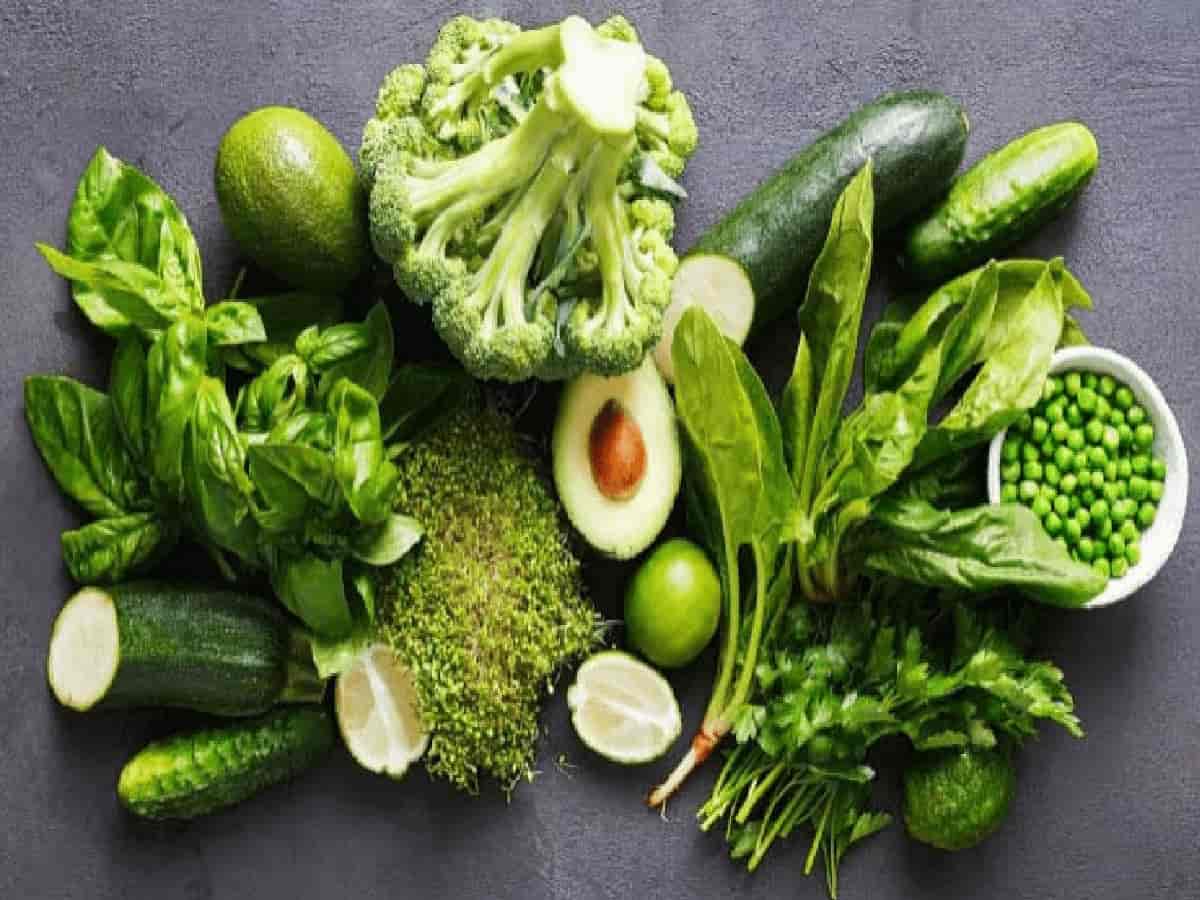
Fatty Liver: Top 5 Vegetables Recommended by Gastroenterologists to Flush Hepatic Fat
Spurred by sedentary desk routines, chronic sleep deprivation, metabolic syndromes like type 2 diabetes, and diets saturated with ultra-processed deep-fried foods, non-alcoholic fatty liver disease (NAFLD) has swiftly transformed into a pervasive modern health crisis, impacting nearly one in every two adults across urban centers. The clinical condition arises when triglyceride and lipid molecules accumulate excessively within hepatic cells, surpassing the organ's normal five percent fat threshold and threatening progressive inflammation or scarring if ignored. Offering vital guidance for reversing early-stage hepatic steatosis, Dr. Yogananda Reddy, renowned gastroenterologist at the Bengaluru Gastro Centre, emphasizes that targeted nutritional interventions can dramatically rehabilitate liver function, flush accumulated lipids, and restore optimal metabolic homeostasis without the need for extreme panic.
The Green Armor: How Spinach, Broccoli, and Brussels Sprouts Shield Hepatic Cells
Leading the frontline against hepatic lipid overload are nutrient-dense dark leafy greens and cruciferous vegetables, which deliver concentrated cellular defense. Fresh spinach (palak) provides a therapeutic reservoir of insoluble and soluble dietary fiber, non-heme iron, bioavailable folate, magnesium, potassium, and vitamins A, C, and K, which collectively support systemic metabolic balance and curb visceral fat deposits. Complementing spinach are fiber-dense cruciferous powerhouses like broccoli and Brussels sprouts, which combine negligible caloric density with exceptional satiety-inducing bulk to prevent glycemic spikes. Both vegetables are packed with glucosinolates, sulforaphane, potassium, calcium, and manganese, compounds clinically documented to activate essential hepatic detoxification enzymes, protect hepatic parenchyma from oxidative damage, and halt abnormal lipid accumulation across liver tissues.
Bitter and Hydrating Cleansers: Carrots, Bottle Gourd, and Bitter Gourd in Action
Root and gourd vegetables provide another potent line of defense against liver inflammation and insulin resistance. Carrots deliver high concentrations of dietary beta-carotene and plant-based fiber, acting as an antioxidant barrier that helps lower liver enzymes when integrated raw into daily fresh salads or lightly steamed meals. Meanwhile, traditional kitchen staples like bottle gourd (lauki) and bitter gourd (karela) function as remarkable metabolic tonics: bottle gourd delivers exceptionally high water content with minimal calories, supplying vitamin C and potassium to flush metabolic waste, while bitter gourd is enriched with specialized plant polyphenols and charantin, proven to enhance hepatic insulin sensitivity and accelerate lipid breakdown. While these five vegetables serve as foundational pillars of liver rejuvenation, specialists caution that lasting reversal of fatty liver requires a holistic clinical strategy encompassing disciplined daily physical activity, strict minimization of refined carbohydrates and alcohol, and ongoing medical supervision tailored to individual metabolic profiles.