







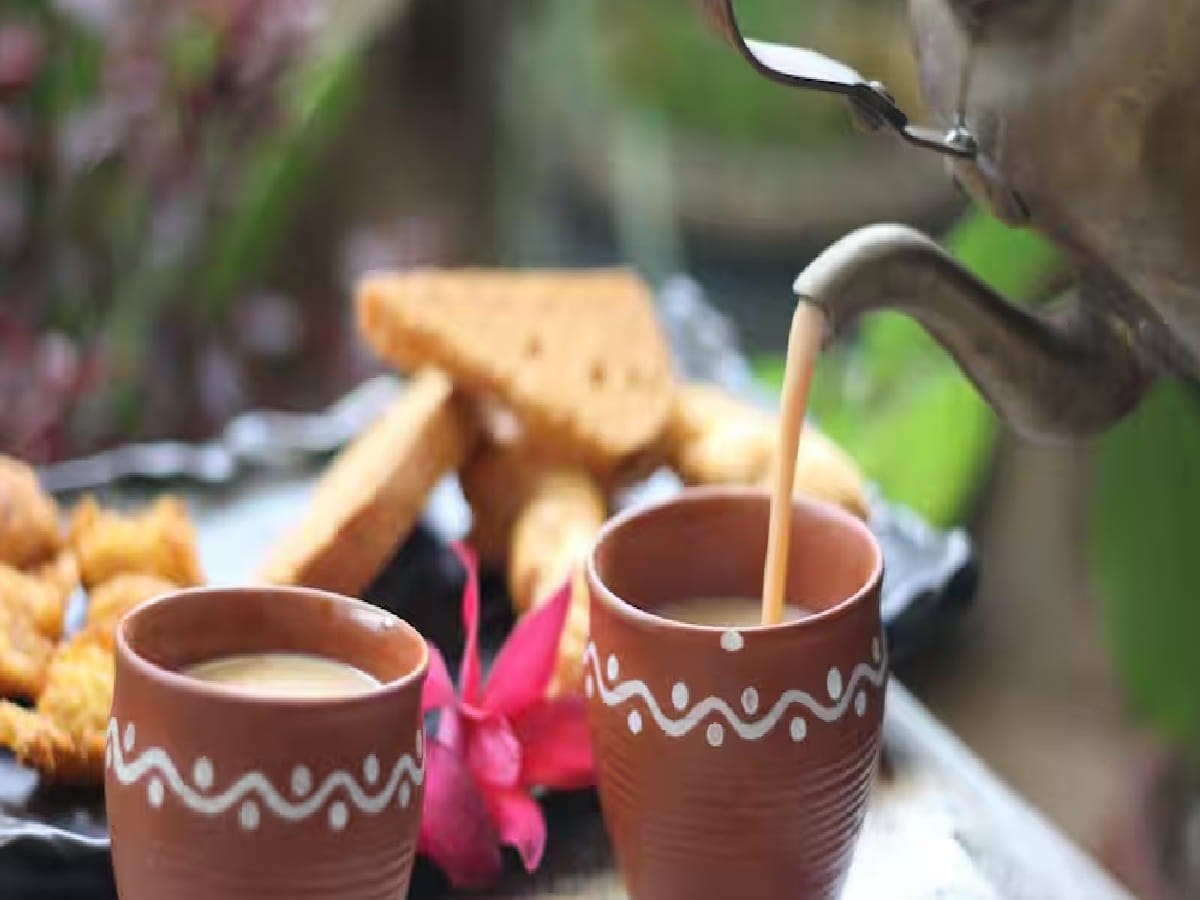
Drinking Tea Right After Meals, Know Risks & ICMR 1-Hour Rule
Across households in Lucknow, New Delhi, Mumbai, Kolkata, and Jaipur, a steaming cup of masala chai immediately after breakfast, lunch, or dinner feels less like a beverage choice and more like an essential daily ritual. For millions of Indians, a meal simply feels unfinished without tea. Yet nutritionists and medical bodies warn that sipping tea right on top of a meal quietly undermines how your body absorbs vital nutrients—most notably dietary iron. While enjoying tea in moderation is not inherently harmful, drinking it immediately after eating can trigger iron deficiency, worsen acidity and heartburn, and disrupt nighttime sleep. Following the Indian Council of Medical Research (ICMR) timing guidelines allows chai lovers to enjoy their favorite cup without compromising their long-term energy or hemoglobin levels.
How Tea Blocks Iron Absorption and Raises Anemia Risk
The primary concern with drinking tea immediately after a meal lies in two natural plant compounds abundant in tea leaves: tannins and polyphenols. When tea enters the stomach alongside freshly eaten food, tannins bind tightly to non-heme iron—the exact form of iron found in staple Indian vegetarian foods such as dal (pulses), green leafy vegetables, whole grains, millets, and nuts—forming insoluble complexes that the digestive tract cannot easily absorb into the bloodstream.
Over weeks and months, consistently blocking iron absorption after meals depletes stored iron and lowers hemoglobin levels, raising the risk of iron-deficiency anemia. Persistent fatigue, daytime weakness, pale skin, shortness of breath on exertion, and frequent dizziness are common warning signs. Individuals who already have low hemoglobin, pregnant and menstruating women, growing adolescents, vegetarians, and anyone taking prescribed iron supplements need to be especially mindful of separating tea from mealtimes.
Acidity, Sleep Disruption, and Hidden Sugar Calories
Beyond nutrient absorption, post-meal tea affects digestion and sleep quality in three subtle ways:
-
Worsens acidity and heartburn: Tea contains caffeine (typically 30 to 65 mg per 150 ml cup), which stimulates stomach acid production and can relax the lower esophageal valve. In people prone to gastritis or acid reflux, drinking hot tea right after a heavy meal often triggers a burning sensation in the chest or upper abdomen.
-
Disrupts deep sleep after dinner: Sipping tea late in the evening or immediately after dinner adds caffeine to the bloodstream close to bedtime, delaying sleep onset and reducing restorative sleep—leaving you sluggish and fatigued the following morning.
-
Adds empty calories through sugar: Multiple cups of sweetened milk tea throughout the day quietly add excess refined sugar and unnecessary calories, complicating weight and blood-sugar management.
ICMR Guidelines: How Long Should You Wait Before Drinking Tea
| Meal & Beverage Habit | Recommended Rule (ICMR & Nutrition Experts) | Health Benefit |
| Tea or Coffee Around Meals | Maintain a gap of at least 1 hour before and 1 hour after meals | Allows stomach enzymes to absorb dietary iron without tannin interference |
| Daily Caffeine Limit | Keep total caffeine intake below 300 mg per day | Prevents nervousness, acidity, and sleep disruption |
| During & Right After Eating | Drink plain or lukewarm water during meals instead of tea | Supports smooth digestion without blocking minerals |
| Iron-Boosting Food Pairing | Pair iron-rich pulses and greens with Vitamin C (amla, guava, lemon, oranges) | Vitamin C enhances non-heme iron absorption in the gut |
According to the Indian Council of Medical Research (ICMR) dietary guidelines, adults should avoid drinking tea or coffee for at least one hour before and one hour after meals. Creating that simple 60-minute buffer gives your digestive system sufficient time to break down food and absorb iron from pulses, rotis, and vegetables before tannins enter the stomach. If you crave a warm cup, enjoy your tea as a mid-morning or late-afternoon beverage between meals, stick to plain water while eating, and squeeze fresh lemon juice over meals or include amla (Indian gooseberry) and guava in your daily diet so Vitamin C maximizes iron retention naturally.




