







Cut Processed Food by Just 10% to Slash Bowel Cancer Risk
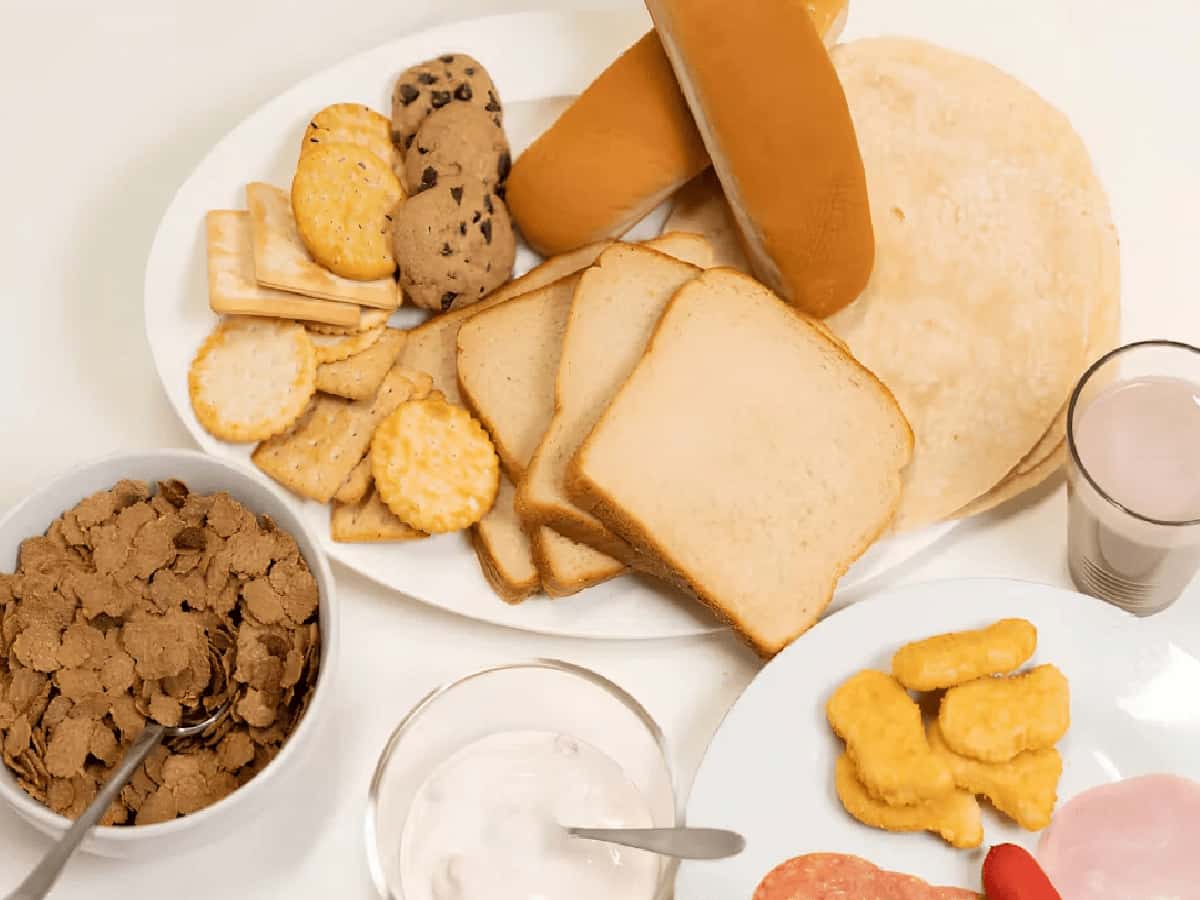
In an era dominated by on-demand smartphone deliveries, packaged snacks, and instant meals, modern convenience has driven an alarming surge in dietary ultra-processed foods (UPFs), elevating long-term risks of chronic and life-threatening conditions. However, a major epidemiological breakthrough published in The Conversation offers an actionable roadmap for preventive health, showing that minor dietary substitutions yield measurable oncology benefits. According to the findings, trimming just 10 percent of ultra-processed items—such as sugary sodas, biscuits, instant noodles, chips, and processed meats—from daily meals reduces the risk of developing bowel (colorectal) cancer by 2 percent.
Insights from a 20-Year Longitudinal Cohort of 460,000 Adults
The preventive benchmarks are grounded in extensive, long-term epidemiological tracking across a massive demographic sample:
-
Massive Participant Scale: Epidemiologists analyzed extensive health records from 460,000 American adults who initially registered for the landmark NIH-AARP Diet and Health Study in 1995–96.
-
Cancer-Free Baseline: At the time of enrollment, participants were aged between 50 and 71 years, with every individual completely free of an active cancer diagnosis.
-
Comprehensive Behavioral Auditing: Researchers conducted rigorous baseline evaluations covering participants' chronological age, clinical health status, smoking habits, daily physical activity, and precise food intake frequencies.
-
Two Decades of Clinical Surveillance: Over a follow-up observation window exceeding 20 years, clinical investigators recorded and verified more than 10,000 incident cases of colon cancer, allowing researchers to isolate the direct mathematical link between processed food intake and tumor development.
High-Risk Culprits vs. Protective Dietary Alternatives: What the Science Shows
The granular breakdown of daily food groups highlighted sharp divergences between carcinogen-linked processed items and gut-friendly staples:
-
High-Risk Culprits: Participants who consistently consumed higher quantities of processed meats, particularly hot dogs, sausages, and cured meats, exhibited a statistically significant rise in colorectal cancer incidence.
-
Protective Dairy Elements: Conversely, cohorts who consumed higher baseline amounts of dairy foods and cold chilled desserts, including fermented fruit yogurt, demonstrated noticeably lower rates of bowel malignancy.
-
Fiber-Rich Breakfast Benefits: Regular consumption of wholesome breakfast options, such as whole grains, bran cereals, and dietary fiber bread, correlated with reduced colon cancer occurrence, supporting healthy gut microbiome preservation and shorter bowel transit times.
Practical Nutritional Adjustments: Making Sustainable Daily Shifts
Health experts emphasize that meaningful cancer prevention does not require drastic dietary upheaval, but rather incremental, persistent nutritional swaps:
-
The 10% Substitution Principle: Rather than attempting unsustainable zero-processed diet regimens, replacing just one packaged snack or processed meat portion per day with whole-food alternatives achieves the protective 10 percent threshold.
-
Swapping Ultra-Processed for Whole Foods: Replacing shelf-stable biscuits, deep-fried chips, and packaged instant noodles with fresh seasonal fruits, nuts, unsweetened yogurt, and home-cooked whole grains actively curbs systemic gut inflammation.
-
Empowering Long-Term Digestive Health: By pairing reduced exposure to meat-curing nitrates and chemical additives with increased natural dietary fiber, individuals can materially fortify their digestive tracts against oncological mutations.




