







Cardiologist Explains How Delhi's Winter Smog Spikes Blood Pressure and Strains Your Heart
As hazardous winter smog blankets the National Capital Region, public concerns traditionally center on eye irritation, throat tickles, and breathing difficulties, but top medical experts are issuing urgent alerts regarding a far more dangerous hidden consequence. Toxic atmospheric pollution does not remain confined to the respiratory tract; it directly attacks the cardiovascular system, emerging as an insidious trigger for acute hypertension and chronic vascular disease. While hypertension has historically been linked to lifestyle parameters like dietary sodium, physical inactivity, obesity, and genetic inheritance, mounting clinical evidence underscores that inhaling fine particulate matter constitutes a potent environmental driver of arterial constriction and systemic heart strain across urban populations.
How Microscopic PM2.5 Penetrates Blood Vessels: Inflammation, Arterial Stiffness, and Blood Pressure Spikes
Unpacking the biochemical mechanism connecting toxic air to arterial hypertension, Dr. Anshul Kumar Jain, Director of the Cardiology Department at CK Birla Hospital in Delhi, highlights the lethal nature of particulate matter measuring 2.5 microns or less (PM2.5). These ultra-fine particles bypass the nasal and pulmonary filtration barriers, entering deep alveolar capillaries and crossing directly into the systemic bloodstream. Once inside circulation, they trigger systemic oxidative stress and chronic endothelial inflammation, degrading the natural elasticity of vascular walls. Healthy blood vessels dilate and contract smoothly to regulate circulation, but pollution-induced endothelial dysfunction renders these arteries rigid, narrow, and resistant to blood flow. This forces the myocardium to pump significantly harder against elevated vascular resistance, causing baseline blood pressure readings to climb steadily.
Winter Pollution Crisis in Delhi-NCR: Heightened Vulnerability for Cardiac Patients and Healthy Individuals
During northern India's severe winter temperature inversions, cold stagnant air traps concentrated plumes of industrial emissions, vehicular exhaust, and particulate pollutants close to the ground, subjecting residents to unrelenting toxic exposure for weeks. This atmospheric stagnation proves perilous for vulnerable demographics, including senior citizens and individuals diagnosed with pre-existing coronary artery disease, diabetes mellitus, renal dysfunction, or chronic hypertension. However, cardiologists caution that young and physically active individuals are not immune to these cardiovascular insults. Prolonged exposure dysregulates autonomic nervous system balance and neurovascular reflex pathways that control heart rate variability, meaning cellular and vascular damage accumulates silently over time even before overt physical discomfort manifests.
Essential Heart Protection Protocols: Indoor Workouts, Daily BP Monitoring, and Medication Discipline
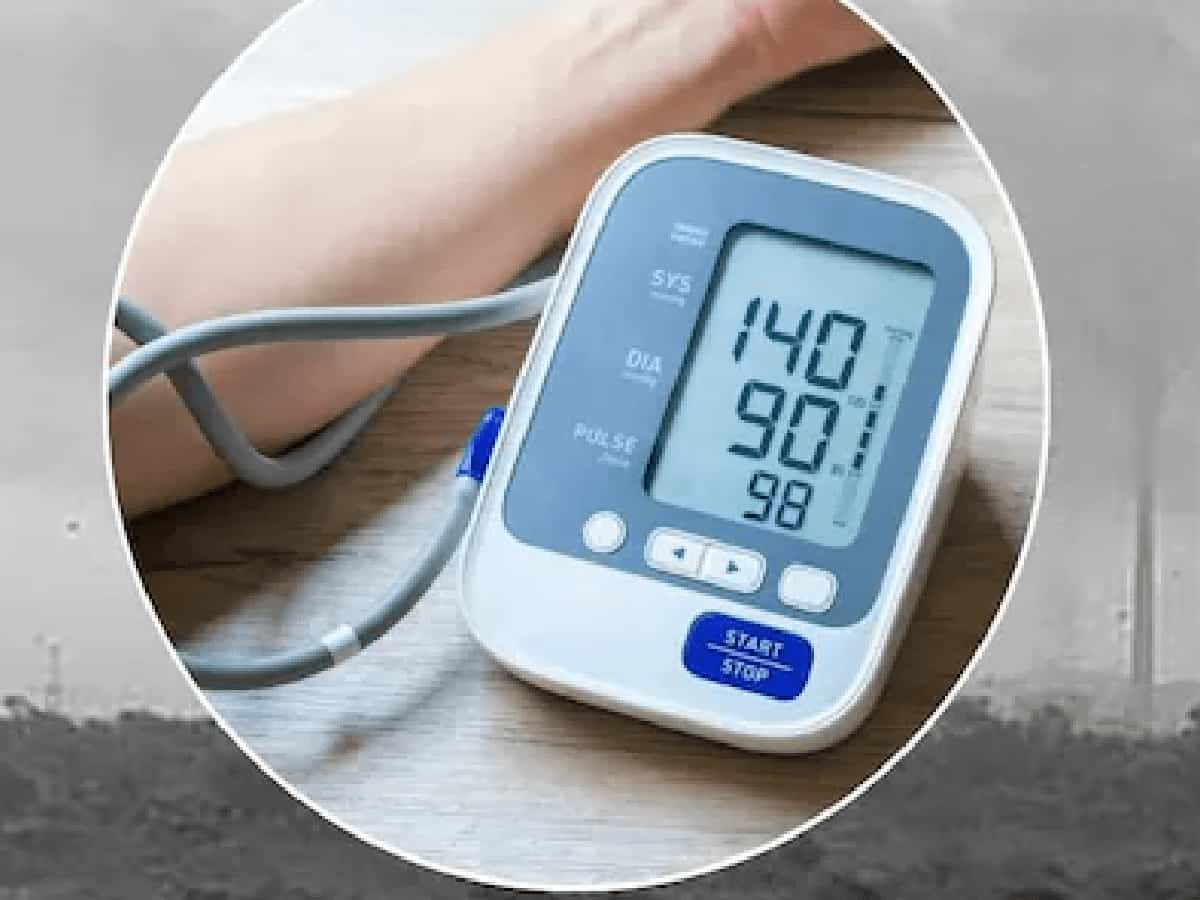
Safeguarding heart health during severe air quality deteriorations requires immediate behavioral modifications and medical diligence. Cardiologists strongly advise against strenuous outdoor cardiovascular activities, such as morning jogging or intense cycling, when the Air Quality Index (AQI) plunges into the 'Very Poor' or 'Severe' categories, recommending that residents transition to indoor workouts in clean, filtered environments. Individuals with diagnosed cardiovascular conditions must maintain strict adherence to prescribed antihypertensive medications, avoiding skipped doses or arbitrary adjustments. Conducting regular blood pressure checks, tracking readings diligently, and recognizing air pollution as a major cardiovascular risk factor rather than a temporary respiratory nuisance are vital steps to prevent hypertensive emergencies and long-term cardiac damage during high-pollution seasons.




