







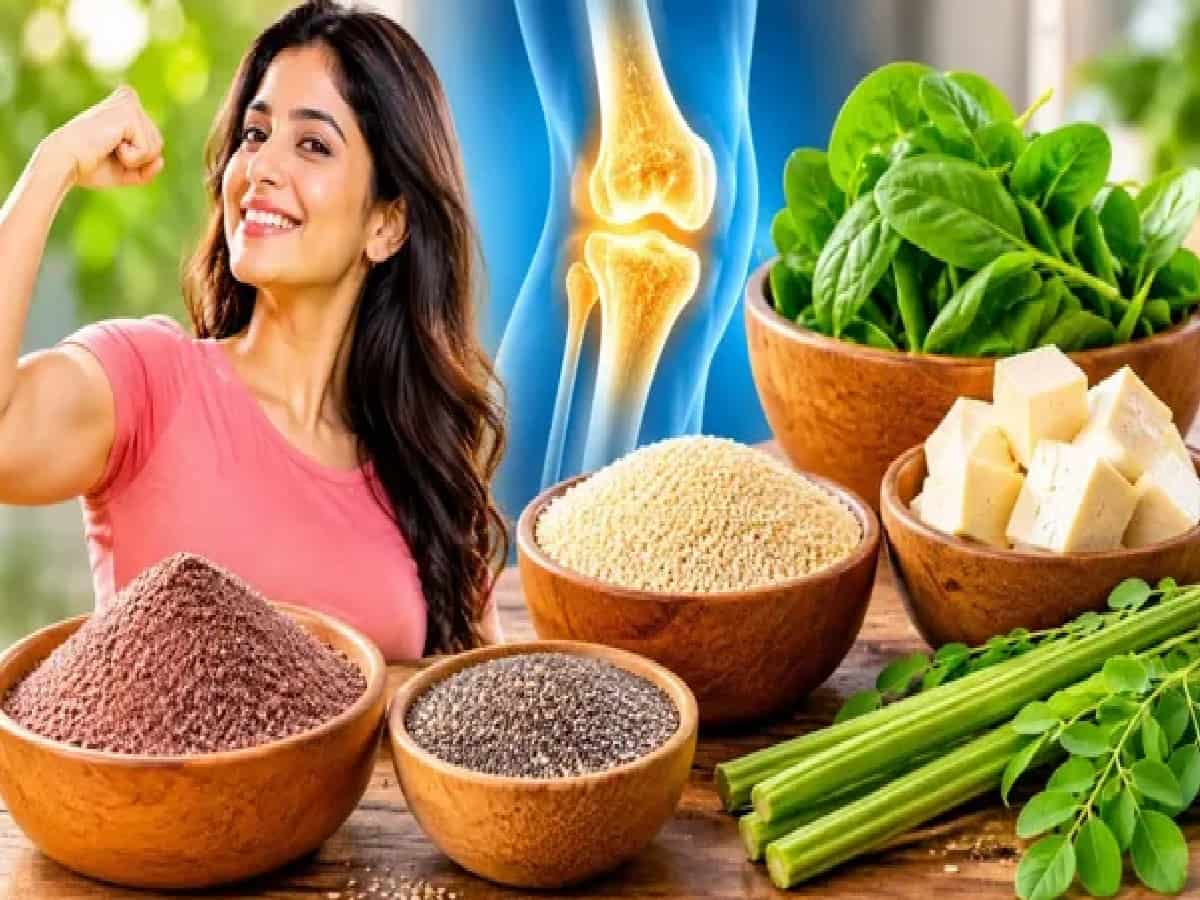
6 Calcium-Rich Non-Dairy Foods to Eat If You Don't Drink Milk
For decades, a daily glass of milk has been treated as the gold standard for building strong bones and teeth. Yet for millions of people who dislike the taste of dairy, follow a plant-based lifestyle, or experience lactose intolerance, relying on milk simply isn't practical. Calcium is far too essential to skip: beyond maintaining bone density and dental health, it supports nerve transmission, muscle contraction, blood clotting, and steady heart rhythm. Fortunately, everyday Indian kitchens and winter seasonal produce offer potent non-dairy calcium sources—many of which pack even higher calcium concentration per 100 grams than cow's milk. From sesame seeds (til) and finger millet (ragi) to tofu, spinach, chia seeds, and drumstick (moringa) leaves, adding the right plant-based foods can help you comfortably meet your daily target without touching dairy. For health-conscious readers, families, and nutrition seekers across New Delhi, Mumbai, Bengaluru, Chennai, Hyderabad, Kolkata, Pune, Ahmedabad, Lucknow, and Jaipur, building a calcium-rich plate is easier and more affordable than most people realize.
How Much Calcium Does Your Body Need Every Day
According to clinical nutrition guidelines cited by the Cleveland Clinic, daily calcium requirements shift across life stages—peaking during adolescent growth spurts and again for women over 50 to protect against bone loss:
| Age Group / Life Stage | Recommended Daily Calcium Intake |
| Infants (0–6 Months) | 200 mg / day |
| Infants (7–12 Months) | 260 mg / day |
| Toddlers (1–3 Years) | 700 mg / day |
| Children (4–8 Years) | 1,000 mg / day |
| Children & Teens (9–18 Years) | 1,000 – 1,300 mg / day (peak bone-building years) |
| Adults (19–50 Years) | 1,000 – 1,200 mg / day |
| Men (51–70 Years) | 1,000 mg / day |
| Women (51–70 Years) & All Adults 71+ | 1,200 mg / day |
Understanding your age-specific target makes it much easier to combine two or three calcium-rich foods across breakfast, lunch, and dinner rather than relying on a single beverage.
Six Best Non-Dairy Foods Packed With Calcium
1. Sesame Seeds (Til): A winter staple in Indian homes through til laddoos, chikki, chutneys, and stir-fries, sesame seeds are an extraordinary mineral powerhouse. Just 100 grams of sesame seeds contain roughly 975 mg of calcium, while one tablespoon alone delivers around 88 to 125 mg of calcium alongside bone-supporting magnesium.
2. Ragi (Finger Millet): Widely celebrated as an indigenous Indian superfood, ragi provides approximately 344 mg of calcium per 100 grams—roughly triple the calcium density of milk. Swapping refined flour for ragi rotis, dosas, porridge (ambali), or idlis is one of the simplest ways for vegetarians to strengthen bone health.
3. Tofu (Soybean Curd): Far more than a lean plant protein, calcium-set tofu delivers roughly 53 percent of the daily value for calcium in a standard serving (around 350 to 500 mg depending on preparation), making it an ideal dairy alternative in curries, bhurji, and salads.
4. Spinach (Palak): Abundant during winter months, cooked spinach supplies around 240 mg of calcium per cup, along with iron, folate, and vitamins A and K. Pairing lightly cooked spinach with vitamin C-rich lemon juice also enhances overall mineral absorption.
5. Drumstick Leaves (Moringa): Fresh moringa (sahjan) leaves offer approximately 185 mg of calcium per 100 grams, packaged with dietary fiber, plant protein, iron, potassium, and magnesium. Adding moringa leaves to dals, parathas, or soups boosts everyday micronutrient intake effortlessly.
6. Chia Seeds: Tiny yet nutrient-dense, chia seeds provide about 179 mg of calcium in just two tablespoons, alongside heart-healthy omega-3 fatty acids and soluble fiber. Soaking chia seeds in water, almond milk, or fruit bowls makes them easy to digest.
Simple Tips to Maximize Calcium Absorption Naturally
Eating calcium-rich foods works best when paired with adequate Vitamin D—through sensible morning sunlight exposure or fortified foods—since Vitamin D enables the gut to absorb dietary calcium efficiently. Spreading calcium intake across meals rather than consuming it all at once, staying hydrated, and moderating excessive caffeine or sodium also help your body retain the calcium you eat every day.




