5 Superfoods Doctors Swear By to Shield Prostate Health and Slash Cancer Risk
As men cross the pivotal age threshold of 40, physiological vigilance regarding the reproductive and urinary system becomes vital, especially concerning the prostate—a walnut-sized gland situated directly beneath the urinary bladder responsible for seminal fluid production. Epidemiological statistics indicate that approximately one in every eight men faces a lifetime risk of developing prostate malignancy or benign prostatic hyperplasia (BPH). However, emerging clinical oncology research confirms that proactive nutritional interventions, centered around dietary antioxidants, anti-inflammatory lipids, and tumor-suppressing phytochemicals, can preserve cellular architecture, suppress oxidative damage, and significantly attenuate chronic oncological risks as the male body ages.
Lycopene and Phytoestrogen Shields: The Power of Cooked Tomatoes and Soy
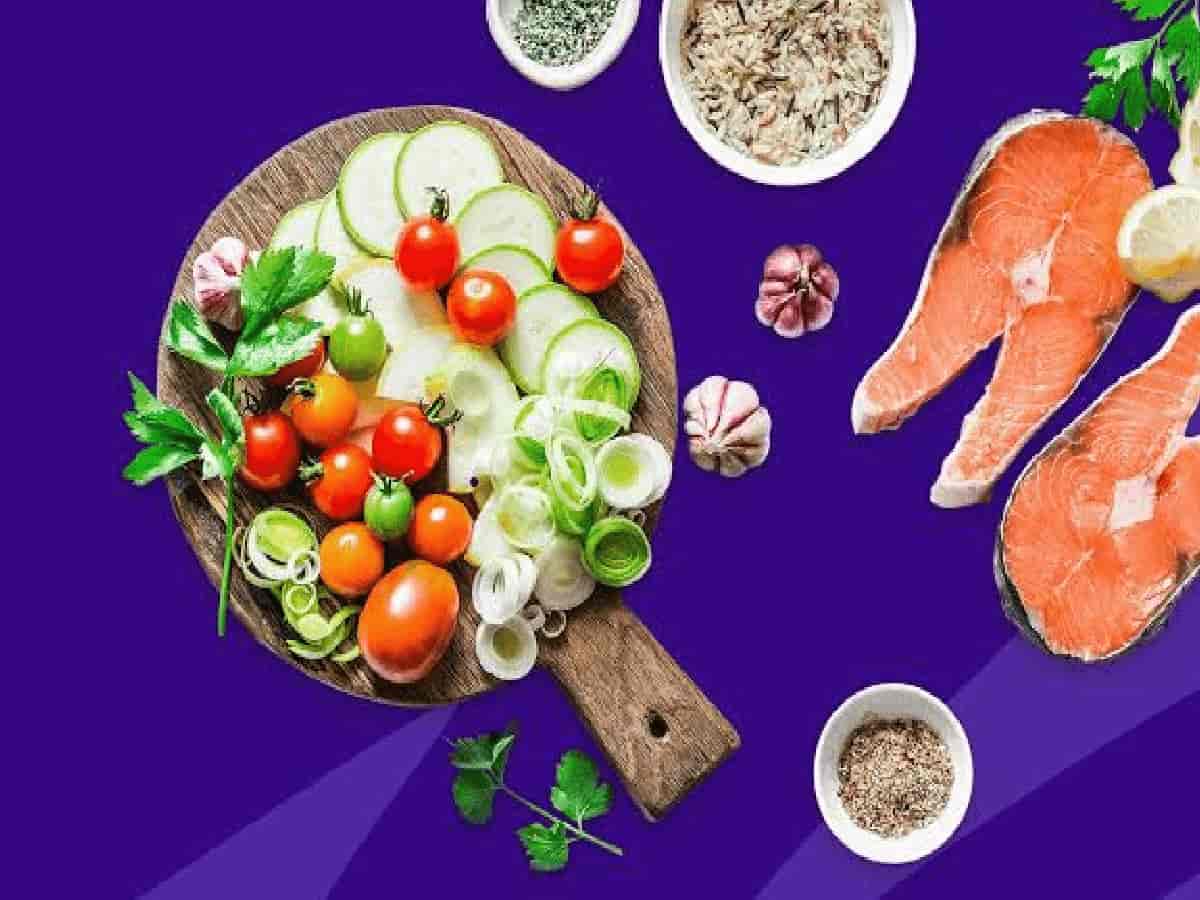
Leading the line of cellular defense are cooked red tomatoes, which serve as nature's richest reservoir of lycopene—a powerful carotenoid antioxidant that neutralizes destructive free radicals and halts malignant cellular proliferation. Clinical nutritional studies indicate that every two-milligram increase in regular daily lycopene intake correlates with a 1 percent reduction in prostate cancer risk, with bio-availability peaking when tomatoes are consumed in cooked matrices such as warm soups, purées, or stewed sauces. Alongside tomatoes, soy-derived staples—including tofu, fortified soy milk, fresh edamame, and fermented miso—contain dense concentrations of isoflavones and plant phytoestrogens, bioactive compounds demonstrated to regulate hormonal imbalances and slow abnormal cellular proliferation in sensitive gland tissues.
Sulforaphane and Omega-3 Defense: Broccoli and Cold-Water Fatty Fish
Cruciferous vegetables such as broccoli, Brussels sprouts, kale, cabbage, and bok choy provide another crucial dietary barrier against glandular disorders due to their concentrated content of sulforaphane. This sulfur-rich phytochemical actively triggers protective phase-II detoxification enzymes, helping arrest unregulated cell division and curbing the metastatic spread of mutated cells. Completing this preventive nutritional blueprint are cold-water fatty fish—such as wild salmon, mackerel, sardines, and herring—which are loaded with essential long-chain omega-3 polyunsaturated fatty acids (EPA and DHA). Beyond optimizing cognitive performance and cardiovascular vitality, these anti-inflammatory fatty acids systemically down-regulate inflammatory cascades within pelvic tissues, maintain cell membrane integrity, and provide long-term physiological support for men navigating their 40s and beyond.