







Why Ravana Keeps Jatayu's Claw in Ramayana: Real Reason Revealed
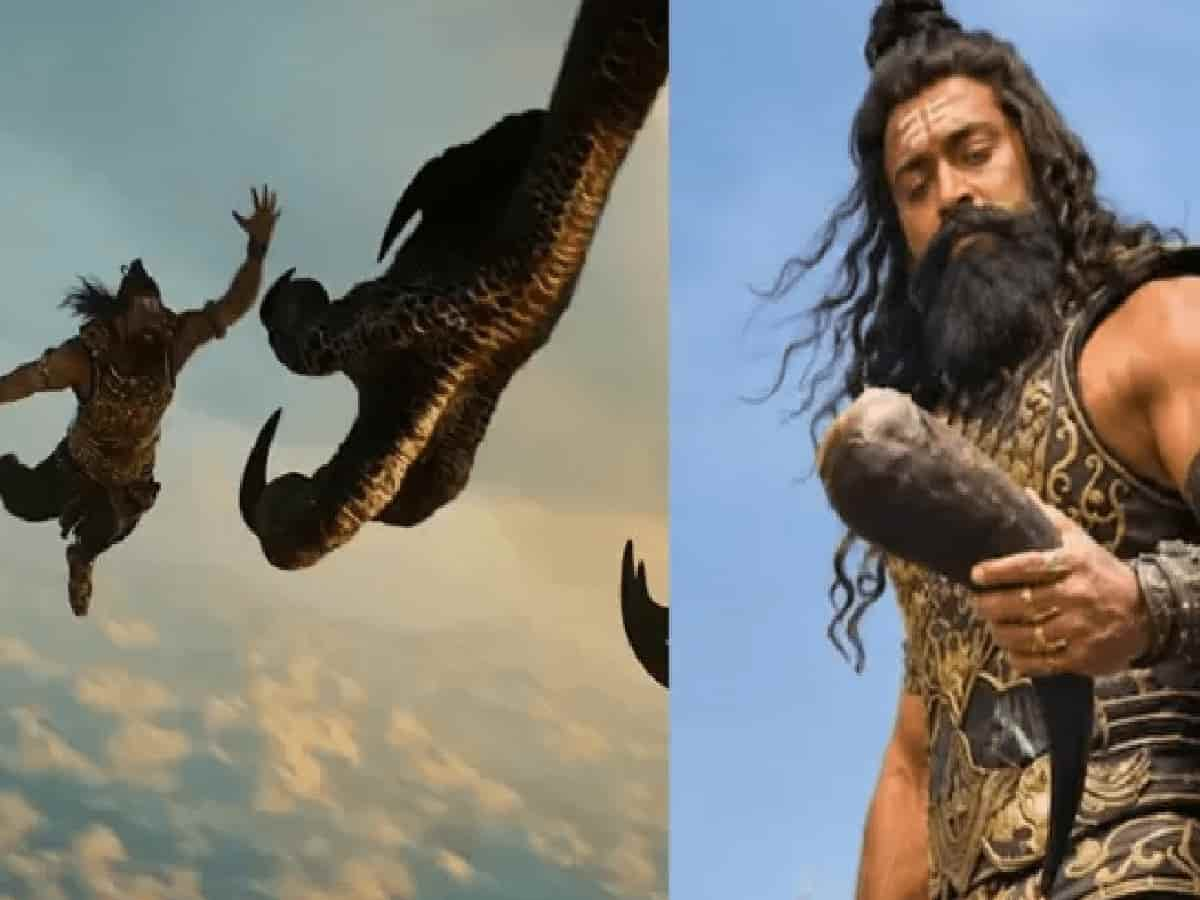
Among the dramatic sequences in Nitesh Tiwari’s mythological magnum opus, Ramayana: Part 1, the confrontation between the demonic king of Lanka, Ravana (portrayed with brooding intensity by Rocking Star Yash), and the elderly divine vulture king, Jatayu, stands out as a visual and emotional high point. As Ravana abducts Goddess Sita (Sai Pallavi) in his airborne chariot, Jatayu intervenes mid-flight, refusing to let evil pass unchallenged. Despite his advancing age and physical frailty, the venerable demi-god launches a relentless assault to free Sita. While the aerial combat has drawn praise for its visual fidelity and choreography, one specific character choice at the close of the duel has sparked widespread debate across cinema halls and digital discussion boards.
Viewers tracking every subtle nuance in the film noticed that after severing Jatayu’s wing and mortally wounding the valiant bird, Ravana does not merely take off with Sita. Instead, he bends down, forcefully snaps off one of Jatayu’s sharp talons, and pockets it as a keepsake before continuing his journey toward Lanka. This striking visual touch was not an incidental cinematic filler, but a deliberate narrative flourish conceived to showcase the psychological complexity of Ravana’s unchecked ego, his perception of power, and his inability to stomach personal humiliation.
Deciphering the Symbolism Behind Jatayu's Talon
To comprehend why Ravana preserves a piece of the divine bird, one must examine the progression of their duel. Jatayu was no ordinary forest creature; he was a majestic being endowed with divine lineage, immense spiritual resolve, and formidable physical strength. Witnessing Sita’s distress, the noble bird utilized his beak, expansive wings, and razor-sharp claws with devastating precision. In an electrifying turn during the fight, Jatayu manages to slash through Ravana's neck, temporarily severing his head. Because of Ravana's mystical boons, the ten-headed demon king instantly regenerates his severed crown, yet the physical sting and personal humiliation of having his head struck down by an aging winged creature leaves an indelible mark on his psyche.
Ravana’s entire persona is constructed on absolute submission, terror, and unquestioned supremacy over all realms. For an overlord who had subdued demigods, celestial monarchs, and earthly rulers, being bloodied and publicly decapitated by a bird was an affront to his invincibility. Snapping off the specific talon that had managed to pierce his royal flesh serves as a chilling psychological reaction. By pocketing the broken claw, Ravana is claiming a dark trophy—a physical manifestation of the only weapon that had managed to wound him, kept as a bitter reminder of the humiliation he suffered before he snuffed out the bird's flight.
A Manifestation of Ego: Trophies, Control, and the Hubris of Lanka's King
The act speaks directly to Ravana’s supreme arrogance, a character flaw that ultimately precipitates his downfall in the epic. Lesser warriors might simply discard an adversary once incapacitated, but Ravana’s ego demands possession and total domination over anyone who dares stand against him. Taking Jatayu’s claw is an act of defiance against mortality and opposition, treating a mortal wound as a conquered anomaly to be archived among his spoils of war.
It also serves as an omen of what lies ahead for the Lankan king. Even as Ravana carries the talon away as a perceived token of triumph, the claw remains a harbinger of retribution, symbolizing the very defiance that would soon arrive in the form of Lord Rama’s vanara army. Jatayu’s claw embodies moral courage: the conviction to fight against overwhelming odds for righteousness, even when defeat is practically certain. In carrying that talon, Ravana unwittingly keeps the physical mark of righteousness close to him, foreshadowing that his invulnerability was a temporary illusion built on stolen power.
Creative Cinematic License vs. The Original Valmiki Ramayana
The curiosity surrounding this moment has prompted literature enthusiasts to ask whether this detail originates from ancient scripture. In the original Sanskrit verses composed by Sage Valmiki in the Aranya Kanda, the duel between Ravana and Jatayu is described in rich, heroic detail. Jatayu shatters Ravana’s bow, destroys his celestial chariot, kills his demonic mule drivers, and tears at the Lankan king's back with his talons. In retaliation, Ravana draws his divine sword, Chandrahasa, and hacks away Jatayu's wings and talons, causing him to crash helplessly into the forest canopy.
However, the specific action of Ravana breaking off a talon and keeping it in his pocket does not appear in Valmiki’s original text or Tulsidas’s Ramcharitmanas. This detail is an artistic addition by director Nitesh Tiwari and his writing team. Modern cinematic storytelling often relies on visual motifs to convey internal character psychology without relying on lengthy exposition. By adding this gesture, the film gives Ravana a quiet, calculating cruelty, visually reinforcing his possessive nature and his lingering shock at encountering unyielding courage in an aged creature.
Anupam Kher's Voice Lends Gravitas to Jatayu's Tragic Final Chapter
The emotional weight of the Jatayu sequence is elevated by the voice acting behind the majestic creature. Veteran Bollywood actor Anupam Kher lent his voice to the dying king of birds, providing a performance that anchors the spiritual depth of the scene. When Lord Rama (Ranbir Kapoor) and Lakshman (Ravie Dubey) eventually discover the mortally wounded Jatayu clinging to life in the wilderness, it is Jatayu who provides the crucial intelligence confirming that Sita was taken south by Ravana. Having completed his divine duty of alerting Rama, Jatayu breathes his last, attaining moksha as Rama personally performs his last rites as if for his own father.
Speaking about the audience response, Anupam Kher expressed deep fulfillment at how viewers connected with the sequence, calling it a proud artistic milestone in his career. The poignant dialogue exchange between Rama and Jatayu has moved theatergoers to tears, highlighting the contrast between Ravana’s petty vanity and Jatayu’s selfless sacrifice. As Ramayana: Part 1 continues its record-breaking box office run across theaters worldwide, the symbolic duel remains one of the most discussed sequences of modern Indian cinema, illustrating how thoughtful storytelling can breathe fresh emotional life into an ancient, revered epic.




