







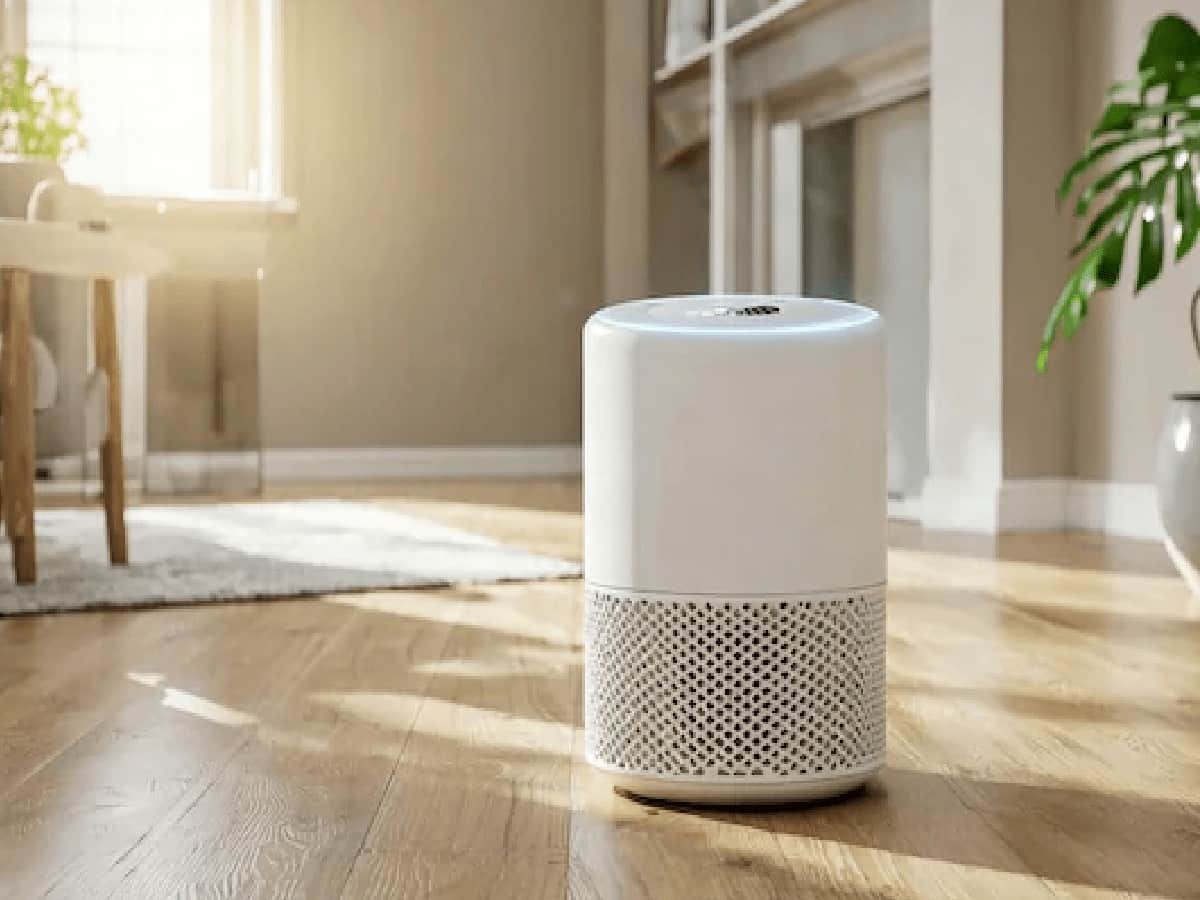
Air Purifier in Bedroom Can Halt Pre-Diabetes, New Study Finds
Medical interventions for halting pre-diabetes have traditionally centered on restrictive dietary regimens, rigorous cardiovascular exercise, and pharmaceutical glucose sensitizers. However, groundbreaking clinical research published in the peer-reviewed medical publication American Heart Journal highlights an unexpected non-pharmacological tool in metabolic care: the humble bedroom air purifier. According to the investigation, sleeping in a room with an active high-efficiency particulate air (HEPA) filtration unit can stabilize glycemic fluctuations, preventing pre-diabetic individuals from progressing into full-blown Type 2 diabetes.
As toxic winter smog blankets metropolitan corridors across northern India and urban regions worldwide, maintaining physiological equilibrium has become an urgent health priority. While environmentalists have long raised alarms regarding the respiratory tolls of micro-particulates, endocrine specialists now recognize that toxic atmospheric air inflicts severe damage on metabolic homeostasis. The clinical trial confirms that filtering fine particulates out of the immediate nocturnal breathing zone reduces systemic vascular stress, offering a practical, non-invasive therapeutic intervention that protects patients while they rest.
Understanding Pre-Diabetes: The Hidden Cardiovascular and Metabolic Threat
Pre-diabetes represents an intermediate metabolic dysfunction characterized by chronic fasting blood glucose levels that sit higher than normal physiological thresholds—typically defined between 100 to 125 mg/dL—yet remain just below the diagnostic ceiling for Type 2 diabetes. The underlying driver of this condition is progressive insulin resistance, wherein skeletal muscle, adipose tissue, and liver cells fail to respond efficiently to insulin, compelling pancreatic beta cells to overproduce the hormone to clear circulating sugars.
The true physiological hazard of pre-diabetes lies in its rapid, unchecked glycemic volatility. Sharp daytime spikes and persistent early-morning glucose surges cause microvascular endothelial damage long before clinical diabetes is formally diagnosed. Over time, these sustained fluctuations impair arterial flexibility, promote systemic inflammation, and dramatically elevate lifetime risks of atherosclerosis, ischemic strokes, coronary heart disease, and peripheral neuropathy. Because pre-diabetes frequently develops silently without obvious symptoms, discovering that ambient environmental pollutants accelerate this hormonal disruption provides critical new insight into the modern chronic disease epidemic.
Inside the NYU Trial: How HEPA Filtration Calms Metabolic Volatility
The landmark clinical trial was designed and executed by a multidisciplinary team of medical researchers and epidemiologists at New York University (NYU) Grossman School of Medicine. The investigators enrolled more than 150 adult men and women medically diagnosed with pre-diabetes. Crucially, researchers screened the cohort to ensure participants possessed no pre-existing arterial plaque accumulation, coronary stenosis, or advanced cardiovascular disease, isolating the direct, acute interaction between air quality and metabolic biomarkers.
Participants were monitored in a randomized, double-blind crossover framework using continuous glucose monitoring (CGM) sensors alongside indoor air quality monitors installed in their primary bedrooms. During the active intervention phases, medical-grade portable air purifiers fitted with true HEPA filtration ran continuously beside the sleeping participants throughout the night. The resulting clinical data demonstrated a statistically significant reduction in continuous glycemic variability among individuals sleeping in purified environments. By scrubbing fine and ultrafine particulate matter from the sleeping quarters, the filtration devices stabilized nocturnal baseline glucose and mitigated the severity of early-morning dawn phenomenon spikes.
The Biological Link: How Fine Particulate Matter Triggers Insulin Resistance
The biological bridge linking airborne toxins to endocrine dysfunction lies in the microscopic dimensions of modern air pollution. Ambient urban smog is heavily laden with fine particulate matter measuring less than 2.5 microns in aerodynamic diameter ($PM_{2.5}$) and ultrafine particles under 0.1 microns, emitted by vehicular combustion, industrial manufacturing, and biomass incineration. Certified HEPA mechanical filters are engineered to intercept more than 99.97 percent of these airborne contaminants down to 0.3 microns, capturing the invisible particles that evade standard nasal filtration.
When a person sleeps in an unpurified room, these microscopic toxins penetrate deep into the pulmonary alveoli, translocating directly across the alveolar-capillary membrane into the bloodstream. Once inside systemic circulation, micro-particulates trigger an acute cascade of oxidative stress and activate inflammatory cytokines such as tumor necrosis factor-alpha ($TNF\text{-}\alpha$) and interleukin-6 ($IL\text{-}6$). These circulating inflammatory mediators disrupt intracellular insulin signaling pathways, impairing glucose transporter type 4 ($GLUT\text{-}4$) translocation in peripheral muscle tissues. Furthermore, chronic exposure to particulate matter overactivates the sympathetic nervous system and the hypothalamic-pituitary-adrenal ($HPA$) axis, elevating nocturnal cortisol and epinephrine levels. This hormonal surge prompts hepatic gluconeogenesis and exacerbates insulin resistance overnight.
Expert Perspectives: Why Nocturnal Air Quality Is a Game-Changer
Cardiologist Dr. Sharin L. Witkop, the lead investigator of the study, emphasized the clinical significance of these findings for preventive medicine. "Our findings suggest that keeping the air in your home clean may significantly help people with pre-diabetes maintain their blood sugar levels," Dr. Witkop explained when contextualizing the trial results. She pointed out that while patients spend daytime hours moving through diverse, uncontrollable outdoor environments, the bedroom represents a closed, stable micro-environment where individuals spend seven to eight uninterrupted hours breathing thousands of liters of air.
Medical experts note that the nocturnal window is precisely when the human body undergoes vital cellular repair, metabolic clearing, and circadian endocrine reset. When this recovery phase is bombarded by toxic airborne particulates, the body remains in a persistent state of low-grade systemic inflammation, elevating baseline stress hormones and impairing fasting glucose control. Running a true HEPA air purifier creates a clean atmospheric sanctuary, allowing the autonomic nervous system to downregulate and enabling pancreatic tissues to regulate glucose without fighting ongoing inflammatory resistance.
Practical Guidelines for Optimizing Bedroom Air for Metabolic Health
To harness the metabolic benefits documented in the NYU study, health authorities recommend incorporating clean air management directly into chronic disease lifestyle plans. Prospective users should ensure their portable air cleaner utilizes a verified True HEPA filter (H13 or H14 medical grade) rather than simple electrostatic or ionizing units, which can generate trace ozone that irritates airway linings.
For maximum efficacy, the air purifier should be sized appropriately to achieve four to five complete air changes per hour ($ACH$) based on the bedroom's square footage, indicated by its Clean Air Delivery Rate ($CADR$). The unit should be positioned two to three feet away from walls and oriented toward the breathing zone of the bed, remaining active on a medium or quiet night mode throughout the sleeping cycle with windows and doors securely closed. For millions living in polluted metropolitan belts, integrating bedroom air purification alongside mindful nutrition, physical activity, and restorative sleep provides an accessible, evidence-based shield against the progression of diabetes.




