







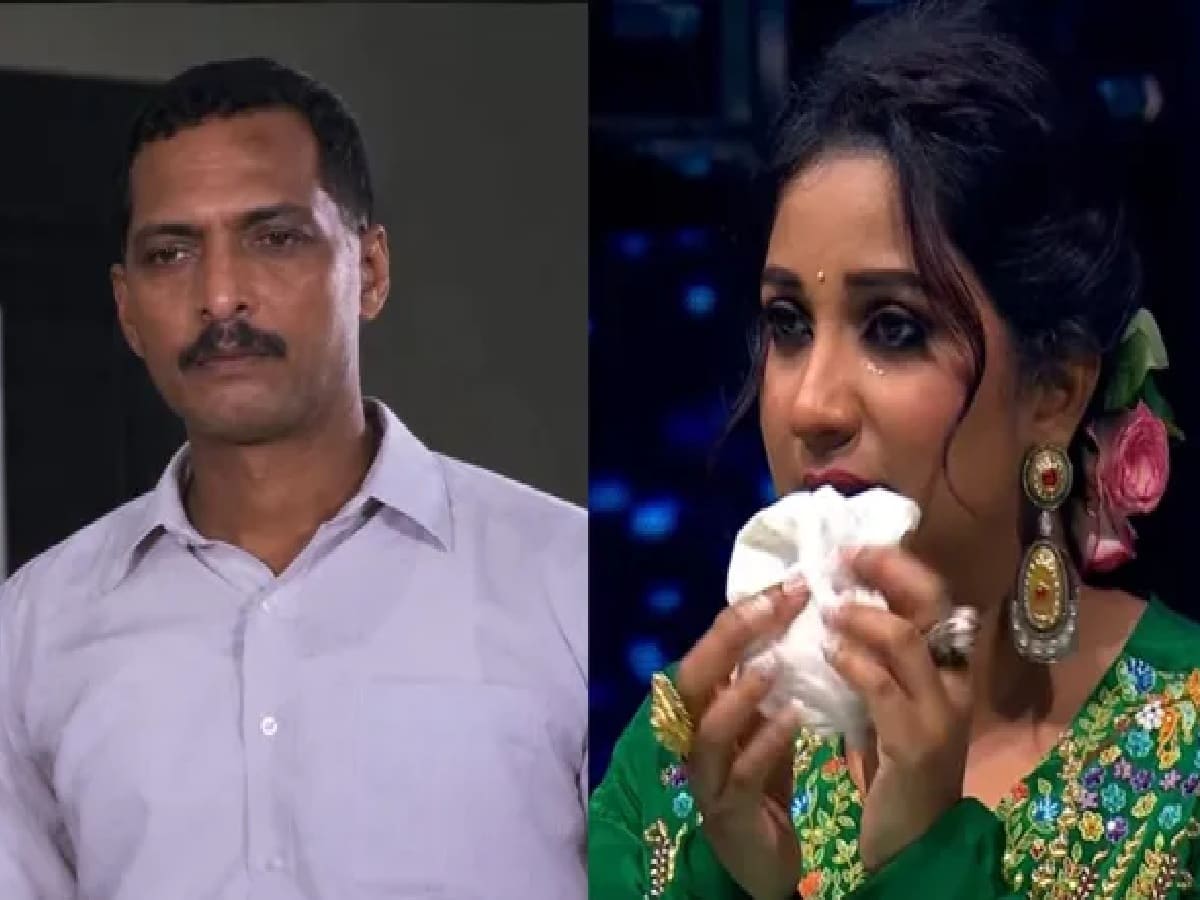
The 'Queen of Thumri' Whose Haunting Melody Made Shreya Ghoshal Weep
Indian classical music has produced few vocalists whose artistry could bridge the exacting purity of traditional ragas with the visceral emotional demands of mainstream cinema quite like Shobha Gurtu. Revered across the subcontinent as the undisputed "Queen of Thumri," the doyenne possessed a voice laden with profound pathos, rich ornamentation, and an unmistakable tonal weight that could command both solemn concert halls and silver-screen soundtracks. While decades have passed since her golden era, the emotional resonance of her timeless compositions recently re-emerged in popular culture when celebrated playback singer Shreya Ghoshal was moved to tears on the judging panel of Indian Idol 15 after a contestant delivered a soul-stirring rendition of Gurtu's haunting semi-classical masterpiece, demonstrating how deeply her musical legacy remains etched into the Indian consciousness.
From Classical Rigor to Bollywood Magic: The Musical Evolution of Bhanumati Shirodkar
Born in 1925 as Bhanumati Shirodkar, Shobha Gurtu was immersed in the performing arts from early childhood, guided by her mother Menakabai Shirodkar, a distinguished dancer and vocalist. To hone her innate vocal gifts, she underwent years of grueling riyaz under the tutelage of eminent stalwarts of the Jaipur-Atrauli gharana, most notably Ustad Nathan Khan and Ustad Bhurji Khan. Through rigorous discipline, she developed an unmatched mastery over semi-classical forms that demanded deep emotional vulnerability, excelling in Dadra, Kajri, Chaiti, and Hori alongside her signature Thumri style. Her transition into Hindi playback singing arrived when visionary filmmaker Kamal Amrohi enlisted her classical depth for his legendary cinematic opus Pakeezah, where her nuanced vocal delivery provided the authentic musical backdrop for the film's evocative court and mushaira sequences.
Filmfare Recognition, Prahaar's Poignancy, and the Padma Bhushan Milestone
Her cinematic stature expanded rapidly through iconic collaborations with the celebrated composer duo Laxmikant-Pyarelal. In the 1973 film Phagun, her soul-stirring rendition of "Bedardi Ban Gaye Koi Jao Manao More Saiyaan" and the beloved "Saiyaan Rooth Gaye, Main Manati Rahi" captured the anguish of romantic longing so exquisitely that it earned her a nomination for the coveted Filmfare Award for Best Female Playback Singer. Nearly two decades later, Gurtu delivered another cinematic milestone with the classical gem "Yaad Piya Ki Aaye" for Nana Patekar’s intense 1991 directorial venture Prahaar: The Final Attack, starring Patekar, Madhuri Dixit, and Dimple Kapadia. Set against the film's brooding atmospheric silence, the track's raw desolation became legendary—the very composition that recently overwhelmed Shreya Ghoshal on national television. Beyond Hindi films, Gurtu enriched Marathi cinema and carried India’s semi-classical heritage onto premier global concert stages, achievements that were formally recognized by the Government of India in 2002 when she was conferred the nation’s prestigious Padma Bhushan civilian honor.




