







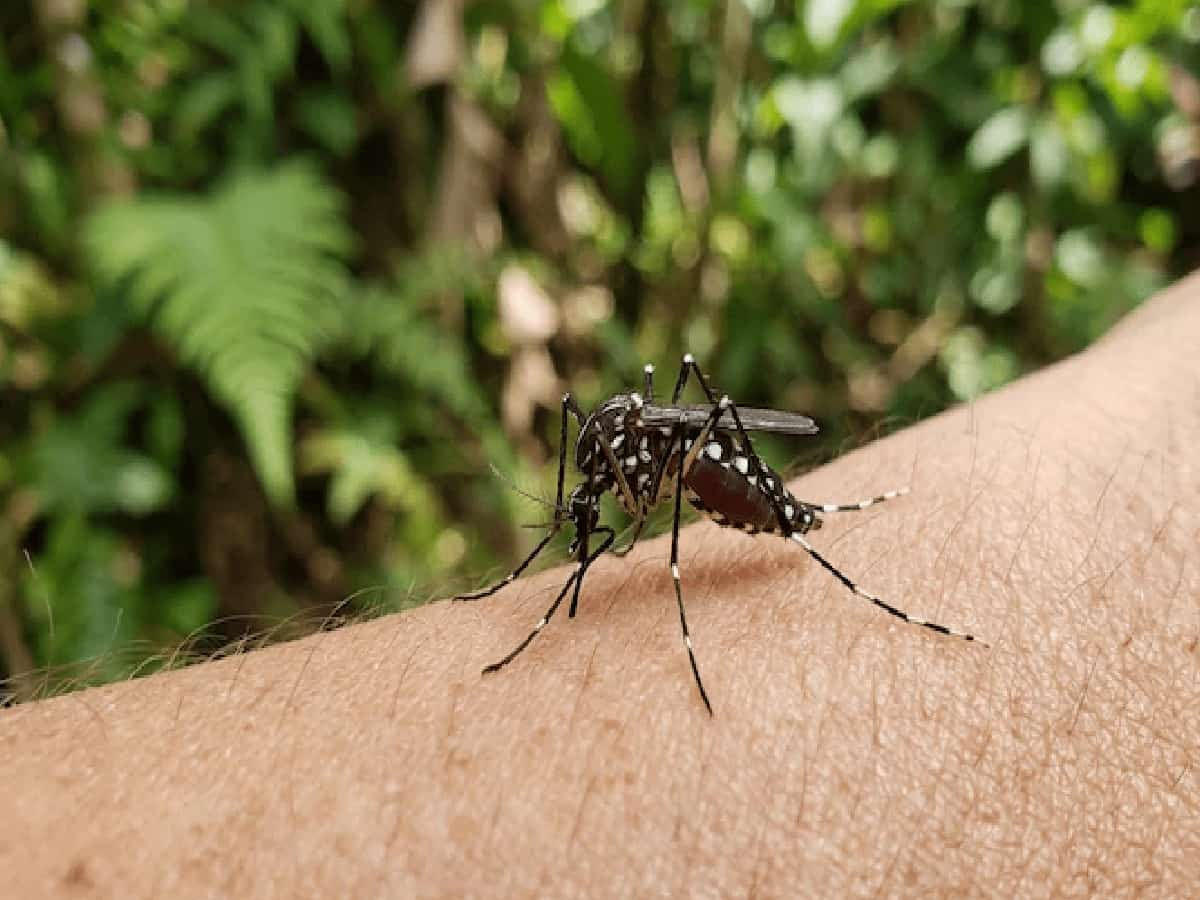
Dengue Outbreak Explodes in Bangladesh With 2,249 New Cases in 24 Hours
A severe dengue epidemic in neighboring Bangladesh has escalated to alarming levels, with the Directorate General of Health Services (DGHS) reporting 2,249 new hospitalizations within a single 24-hour window on Monday, October 26, 2026. Marking the highest single-day surge recorded this year, the viral onslaught also claimed seven lives over the same span, taking the country's cumulative death toll to 384 out of 123,948 total infections. Amid the rapid cross-border resurgence, epidemiologists and public health specialists have issued an urgent warning for northern and central India, cautioning that prevailing autumn temperatures between 25°C and 30°C provide prime breeding conditions for the vector Aedes aegypti well into late November.
Record Single-Day Surge in Bangladesh: Overcrowded Hospitals and Demographic Toll
The latest clinical data released by Bangladesh's health directorate reflects widespread transmission across major urban corridors:
-
Single-Day Peak and Fatalities: The DGHS confirmed 2,249 fresh admissions in 24 hours, alongside seven new deaths distributed across Dhaka North, Mymensingh, Dhaka South, Khulna, and Rajshahi divisions.
-
Cumulative National Caseload: Total registered dengue infections have reached 123,948 for the calendar year, with 117,400 patients having recovered and been discharged from medical centers so far.
-
Gender-Wise Fatality Split: Demographic assessments by health agencies revealed that women accounted for 52.8 percent of the total fatalities, while men comprised 47.2 percent of the death tally.
-
Delayed Hospitalization Risks: Dr. H.M. Nazrul Ahsan, associate professor at Shaheed Suhrawardy Medical College Hospital in Dhaka, pointed out that severe circulating viral strains, underlying comorbidities, and critical delays in seeking medical attention are driving mortality rates upward.
-
Critical Care Coordination: Public health expert Mushtuk Hossain stressed the necessity of synchronizing primary, secondary, and tertiary clinical networks to ensure patients with severe plasma leakage access timely ICU and ventilator support, following warnings from State Minister Sultan Salahuddin Tuku regarding deteriorating conditions in Dhaka.
Why November Remains High-Risk in India: Ideal Temperature for Aedes Mosquitoes
A widespread misconception across northern and central India suggests that the threat of dengue subsides immediately following Diwali festivities and the arrival of autumn:
-
Optimal Breeding Thermal Band: Daytime temperatures across the Indo-Gangetic plains routinely fluctuate between 25°C and 30°C from late October through November, creating optimal environmental conditions for Aedes mosquito reproduction and larval maturation.
-
Extended Vector Lifespan: Unlike severe winter conditions that curb insect activity, moderate post-monsoon warmth allows adult female mosquitoes to remain highly active, sustaining transmission cycles until deep winter cold sets in.
-
Platelet Vulnerability: Health authorities warn that sudden viral exposure during changing seasonal weather can trigger precipitous drops in blood platelet counts, turning mild febrile illnesses into severe Dengue Hemorrhagic Fever (DHF) without warning.
4 Essential Precautions to Prevent Dengue Transmission This Season
Implementing strict environmental sanitation and personal protection measures remains the most effective defense against vector bites:
-
Eliminate Stagnant Water Pockets: Empty, scrub, and thoroughly dry flower pots, discarded terrace junk, balcony planters, and unused desert coolers twice weekly to disrupt larval breeding cycles.
-
Wear Protective Daytime Clothing: Because Aedes aegypti mosquitoes feed predominantly during daylight hours—peaking shortly after sunrise and prior to dusk—wear full-sleeved shirts, trousers, and socks during outdoor activities.
-
Apply Certified Mosquito Repellents: Use DEET, picaridin, or oil of lemon eucalyptus-based repellents on exposed skin, and install fine-mesh wire screens on doors and windows to block entry points at twilight.
-
Monitor Hydration and Warning Symptoms: Seek immediate diagnostic testing if experiencing sudden high fever, retro-orbital eye pain, severe myalgia, or persistent nausea; maintain consistent fluid intake using oral rehydration solutions (ORS), coconut water, and clean lukewarm fluids to avert hypovolemia.




