







Sunidhi Chauhan's 21-Year-Old 'Happy Diwali' Song Dominates Reels
As millions of households across India and the global diaspora string up fairy lights, prepare festive sweets, and dress in traditional finery, a familiar digital ritual unfolds across smartphones everywhere. Instagram Reels, YouTube Shorts, and WhatsApp status feeds are flooded with photographs of festive gatherings, rangoli designs, and Diwali parties. Accompanying an overwhelming majority of these short-form clips is an infectious, high-tempo Hindi track that has become the unofficial national anthem of the festival: "Happy Diwali". While many casual listeners humming its signature hook assume it is a newly minted social media creation, the song is actually a 21-year-old composition pulled from the archives of the 2005 Bollywood film Home Delivery: Aapko... Ghar Tak. Sung with infectious energy by powerhouse vocalist Sunidhi Chauhan alongside a lively ensemble of backing singers, this long-forgotten cinematic number has defied the conventional laws of the entertainment industry, transforming from a footnote in a forgotten comedy into an immortal holiday classic.
The Social Media Phenomenon: How an Old Track Conquered Short Video
The digital resurgence of "Happy Diwali" illustrates the transformative power of algorithmic content delivery and the creator economy. In the contemporary social media ecosystem, holiday content relies heavily on recognizable, mood-elevating audio templates to drive audience engagement. While Western pop culture boasts dozens of seasonal evergreens—most notably holiday staples that re-enter the charts every winter—the Indian short-video space had long lacked a singular, contemporary Hindi track capable of capturing the childlike excitement of Deepavali.
Over recent festive seasons, creators rediscovered the 2005 track, setting their Diwali outfit transitions, sweet-making videos, corporate celebrations, and family portraits to its spirited rhythm. The song's bouncy percussion and inclusive chorus—proclaiming festive wishes for everyone—make it an effortless fit for 15-second and 30-second video loops. Content creators across Delhi, Mumbai, Bengaluru, and international diaspora hubs from London to Toronto have propelled the sound into millions of user-generated clips, turning a two-decade-old catalog track into a top-trending audio asset year after year.
Inside 'Home Delivery': A Box Office Misfortune That Left a Timeless Gem
The irony of the song's enduring status lies in the commercial fate of the film that originally housed it. Released in theaters on October 31, 2005, Home Delivery: Aapko... Ghar Tak was conceived as an quirky urban romantic comedy. Directed by Sujoy Ghosh—who had earlier earned critical acclaim for the cult musical comedy Jhankaar Beats and would later direct the suspense thriller Kahaani—the movie featured an ensemble cast led by Vivek Oberoi, Ayesha Takia, Boman Irani, and Mahima Chaudhry.
Despite high production expectations, an inventive marketing campaign, and an eccentric narrative centered on a cynical agony aunt navigating pizza deliveries and personal relationships, the film failed to connect with theatrical audiences. Ticket buyers found the storytelling overly chaotic, and the movie rapidly vanished from single screens and multiplexes, going down as one of the year’s most conspicuous commercial misfires. Yet, while the film's narrative faded from public memory, its soundtrack—conceptualized with distinct musical whimsy—refused to disappear, quietly waiting for a digital era where its brightest track could finally find its audience.
The Emotional Narrative: The Heartwarming School Stage Performance
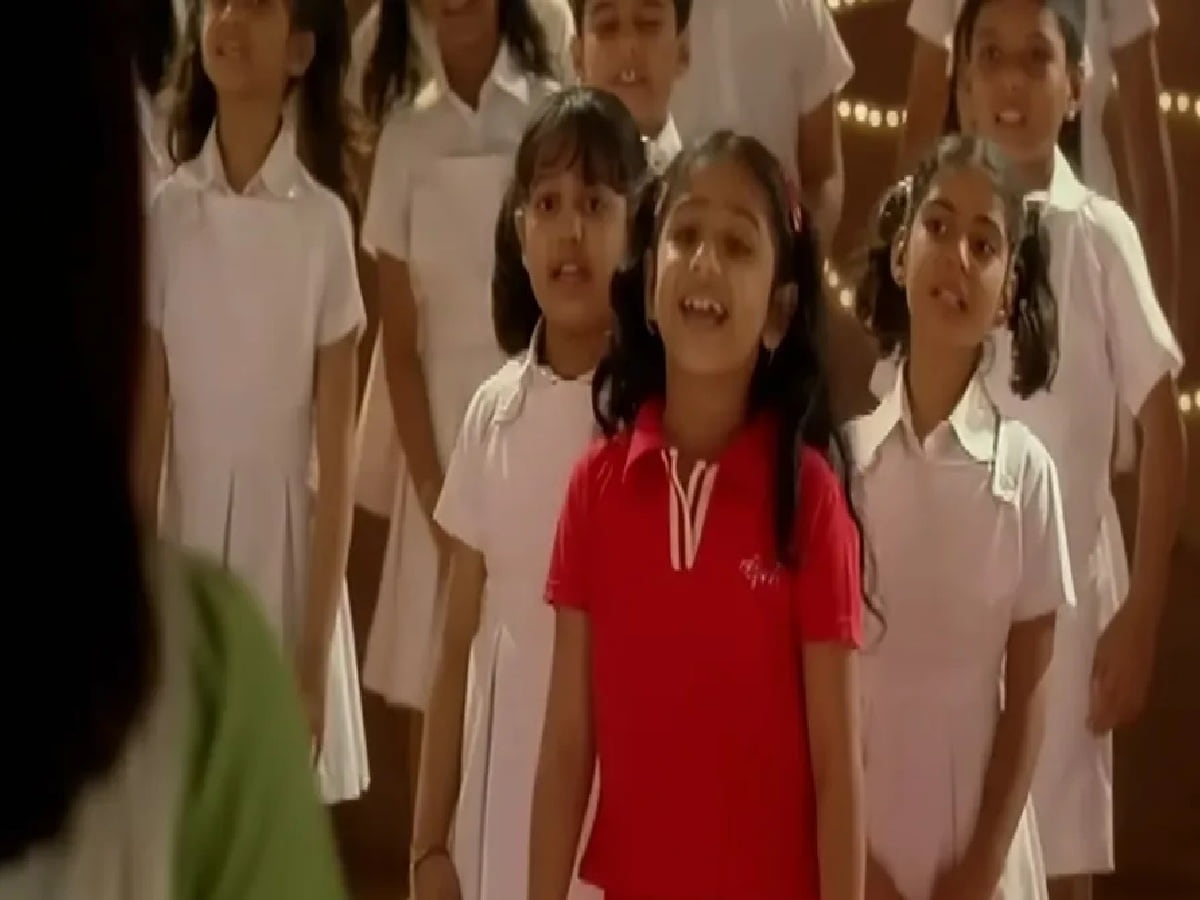
In the context of the film's narrative, the song "Happy Diwali" served as an emotional turning point rather than mere background score. Choreographed around an annual school function and festive recital, the visual sequence opens with a poignant moment of childhood vulnerability. While children around the auditorium are engaged in festive games and chatter, one young schoolgirl sits dejectedly offstage, scanning the crowd for parents who have not arrived on time.
Her despondency melts away the moment her parents rush through the auditorium doors. Filled with joy, she runs onto the stage, joins her classmates, and launches into an energetic dance routine that brings the entire school hall to its feet. This emotional backdrop—moving from alienation to family reunion—imbued the song with a warm, nostalgic authenticity. For contemporary audiences viewing snippet-length versions on mobile screens, that inherent warmth translates across the screen, resonating with anyone who associates Diwali with coming home and reuniting with loved ones.
The Bollywood Anomaly: Why Hindi Cinema Has So Few Pure Diwali Anthems
The enduring popularity of the track highlights a peculiar void in the Indian film music landscape. Despite Diwali being the country's most widely celebrated festival, the Hindi film industry has historically produced remarkably few dedicated, upbeat pop anthems explicitly celebrating the occasion. While Bollywood cinema has generated thousands of tracks dedicated to Holi, Karwa Chauth, Eid, Ganesh Utsav, and wedding festivities, Diwali has traditionally been depicted through classical aartis, somber narrative melodies, or quiet dramatic sequences rather than danceable pop anthems.
Older classics—such as "Aayi Diwali Aayi" from vintage cinema—carried a traditional, classical sensibility that rarely aligns with modern party playlists or fast-paced social media editing. The team behind Home Delivery inadvertently addressed this gap by blending Western pop beats, energetic horn arrangements, and a children's chorus with festive folk celebrations. As a result, when modern listeners search digital streaming libraries for a lively Diwali track that balances innocence with modern groove, the 2005 track remains virtually unchallenged, capturing the festive market through pure musical utility.
The Sunidhi and Vishal-Shekhar Alchemy: Crafting an Enduring Holiday Classic
The musical backbone of "Happy Diwali" belongs to the dynamic composer duo Vishal Dadlani and Shekhar Ravjiani, with lyrics penned by Vishal Dadlani himself. During the mid-2000s, Vishal-Shekhar were redefining the contemporary soundscape of Bollywood, introducing fresh synth elements, live brass sections, and conversational, everyday lyrics to mainstream soundtracks. For this track, they paired Sunidhi Chauhan’s powerful vocal texture with child and supporting voices, including Vaishali Samant, Surthi, Divya, and Suraj Jagan.
Chauhan, celebrated as one of Indian cinema’s most versatile playback voices, approached the song with an uninhibited, buoyant delivery that bridged the gap between a children’s choir and a mainstream dance number. Her vocal energy provided the track with its infectious momentum, while Dadlani's lyrics emphasized universal secular themes of togetherness, sweet-sharing, and illuminating inner darkness over rigid formalism. The production choices—marked by punchy snare hits, acoustic guitar strums, and harmonious group singing—gave the track a timeless sonic profile that sounds as fresh and crisp on modern smartphone speakers today as it did on CD stereos over two decades ago.
The trajectory of "Happy Diwali" serves as a reminder of how art often outlives the commercial vehicle built to carry it. A film may struggle at the box office and pass into obscurity, but a genuinely joyful melody tailored to the human desire for celebration can patiently wait decades for culture and technology to align. As homes glow with lamps and mobile screens continue to chime with festive greetings, Sunidhi Chauhan’s spirited voice remains the cheerful soundtrack carrying India’s festival of lights into the digital age.




