







Neither Ranbir Nor Yash: Jatayu Steals the Show in Ramayana
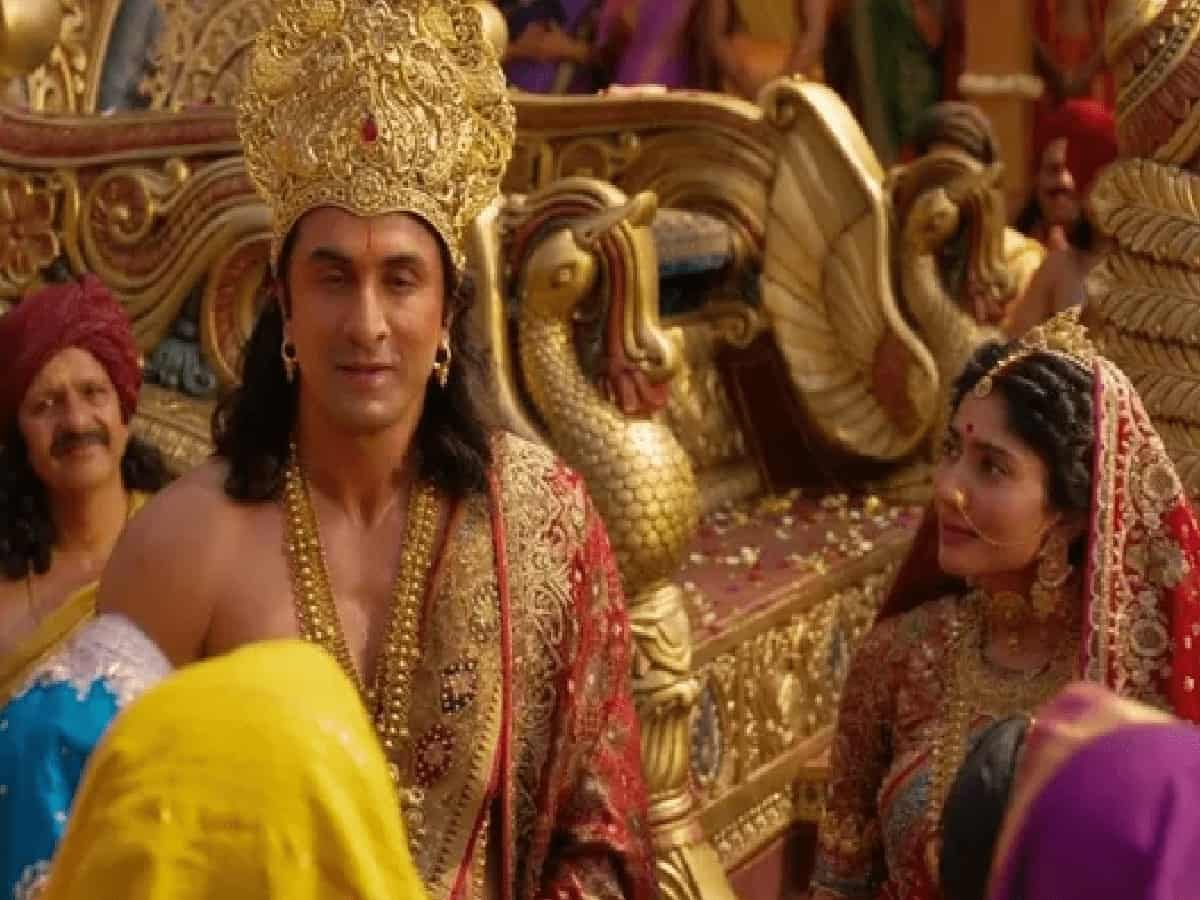
Nitesh Tiwari’s magnum opus Ramayana: Part 1, released globally in theatres on November 5, 2026, has captivated audiences across India and international markets, crossing ₹900 crore at the worldwide box office within its opening week. Headlined by Ranbir Kapoor as Lord Rama, Yash as the formidable Ravana, and Sai Pallavi as Goddess Sita, the cinematic spectacle boasts grand world-building, a sweeping musical score by Hans Zimmer and A. R. Rahman, and cutting-edge visual effects. Yet, amid massive star power and monumental budgets, audiences and critics across metro hubs from Mumbai and New Delhi to Bengaluru and Lucknow agree that the true emotional hero of the first installment is neither Rama nor Ravana—it is the noble celestial eagle, Jatayu, voiced with soul-stirring gravitas by 71-year-old veteran actor Anupam Kher.
In addition to breathing life into the winged warrior, Anupam Kher serves as the overarching narrator of Ramayana: Part 1, guiding viewers through the ancient epic from the royal birth of Rama in Ayodhya to the heartbreak of his fourteen-year exile (vanavas). While Kher’s measured, resonant narration anchors the film’s philosophical depth, it is his vocal transformation as the aged, fiercely loyal Jatayu that has sparked widespread emotional reactions in cinema halls. At international premieres—including a screening in Stockholm, Sweden—viewers were visibly moved to tears by Jatayu’s sacrifice, applauding Kher for turning a CGI character into the beating moral heart of the saga.
Hindustan Times
Symbol of Selfless Dharma: Jatayu’s Enduring Role in the Epic
In Sage Valmiki’s sacred epic, Jatayu represents the pinnacle of courage, loyalty, and duty (dharma) performed without any expectation of victory. An old friend of King Dasharatha, the majestic eagle witnesses the ten-headed demon king Ravana abducting Goddess Sita in his celestial flying chariot, the Pushpaka Vimana, after deceiving Rama and Lakshmana with the golden deer Maricha.
Despite his advanced age and the overwhelming supernatural boons protecting Lanka’s sovereign, Jatayu refuses to look away from injustice. Driven by pure devotion, the aged warrior launches himself skyward to intercept Ravana’s chariot. Though gravely wounded in the ensuing duel, Jatayu clings to life long enough to inform Lord Rama of Sita’s abduction and the southward direction of Ravana’s flight, providing the crucial link that sets Rama’s rescue mission into motion.
Inside the Climax Battle: Six and a Half Years in the Making
The defining highlight of Ramayana: Part 1 arrives in its breathtaking third-act climax: the mid-air confrontation between Jatayu and Yash’s Ravana. Speaking during promotional interactions, director Nitesh Tiwari revealed a staggering behind-the-scenes milestone—crafting this single battle sequence took the filmmaking and visual effects teams approximately six and a half years from initial concept art to final rendering.
The Economic Times
Executed in collaboration with Oscar-winning visual effects studios DNEG and Prime Focus Studios, the sequence underwent years of technical experimentation, aerodynamic simulation, and emotional refinement. Rather than relying on generic action choreography, Tiwari and his animation supervisors studied the biomechanics of birds of prey to ensure every wingbeat, talon strike, and mid-air dive felt visceral, heavy, and grounded in physical reality. The result is an extraordinary sequence where audiences feel the physical exhaustion of an aging warrior pushing his body past its absolute limits against an invincible foe.
Wikipedia
Wings Against Tyranny: How the Aerial Duel Captivated Audiences
Social media platforms have been flooded with praise for the Jatayu-Ravana showdown, with cinephiles hailing it as one of the finest action-drama sequences ever produced in Indian cinema. On screen, Jatayu’s defiance is portrayed with raw intensity. Unfazed by Ravana’s towering stature and celestial weaponry, Jatayu uses his razor-sharp beak, steel-like talons, and sweeping wings to tear apart Ravana’s chariot, shatter his armor, and strike down his charioteer.
In a dramatic turning point during the aerial combat, Jatayu summons every ounce of his remaining strength to decapitate Ravana—a stunning moment that draws gasps in theaters. However, protected by Lord Brahma’s divine boon of regeneration, Ravana instantly regrows his head and retaliates with his lethal sword, Chandrahas, severing Jatayu’s mighty wings. As the wounded guardian plummets toward the earth, Anupam Kher’s trembling, grief-stricken voice conveys both physical agony and unwavering devotion to Sita, leaving audiences with goosebumps as Part 1 concludes on an emotional cliffhanger.
Paving the Way for Part 2: Anupam Kher’s Career-Defining Triumph
As Ramayana: Part 1 continues its strong theatrical run across multiplexes and single screens nationwide, Anupam Kher’s performance stands as a testament to the enduring power of vocal acting and emotional authenticity. Even without appearing physically in the frame, the 71-year-old actor commands the screen through sheer inflection, breath control, and dramatic nuance—proving that technology achieves true cinematic magic only when anchored by human soul.
With the climax of the first installment setting the stage for Lord Rama’s alliance with Hanuman and the Vanara army, anticipation is already building for Ramayana: Part 2, slated for a grand theatrical release during Diwali 2028. For now, however, audiences walking out of theaters are unanimous: while superstars headline the posters, it is the battered, unyielding wings of Anupam Kher’s Jatayu that carry Nitesh Tiwari’s epic into cinematic history.




