







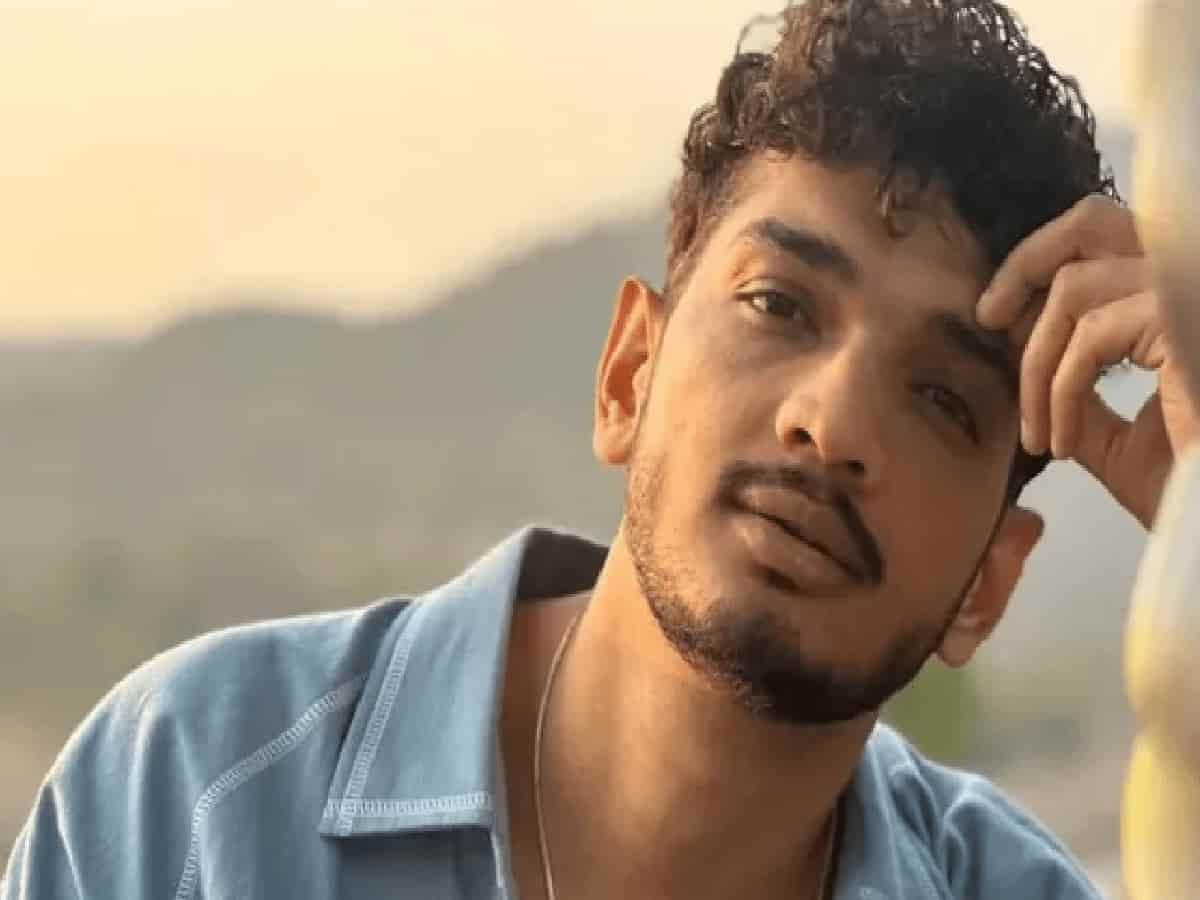
Munawar Faruqui on Starting Work at Age 8 for Just ₹10 a Day
Stand-up comedian, rapper, and reality television star Munawar Faruqui has opened up about his humble beginnings, revealing the intense financial constraints that forced him to enter the workforce when he was just eight years old. Speaking candidly during an appearance on former tennis champion Sania Mirza’s podcast, Serving It Up With Sania, the entertainer revisited the formative chapters of his life before fame, sold-out auditoriums, and reality show trophies. Rather than dwelling on the hardships of his youth with bitterness, Faruqui shared an inspiring and grounded perspective on how taking on odd jobs in childhood shaped his enduring work ethic and taught him the intrinsic value of financial independence.
Faruqui, who rose to nationwide fame after winning Kangana Ranaut’s reality series Lock Upp Season 1 in 2022 and subsequently capturing the crown on Salman Khan’s Bigg Boss 17 in early 2024, recounted how his childhood in Junagadh, Gujarat, differed vastly from that of most children his age. While his peers spent their afternoons playing games or focusing on homework, Faruqui was already stepping behind shop counters to earn modest daily wages to support his struggling household. The comedian explained that his family’s mounting financial troubles required all hands on deck, prompting him to find employment wherever opportunity knocked, no matter how small the monetary return seemed.
Earning Ten Rupees a Day: The Journey from Local Stalls to Utensil Stores
Recalling his earliest employment, Faruqui shared that his first steps into labor began at a tiny neighborhood retail stall. "I was eight years old when I started working. I used to work at a small shop and sell different things. I would earn between ₹10 and ₹20 a day," he revealed during the podcast episode. The modest compensation represented essential support for his family at the time, introducing him to the discipline of handling cash, dealing with diverse customers, and balancing retail merchandise during long shifts.
As he grew older, the types of work evolved alongside his responsibilities. "When I was 11, I started working at a gift shop, where I stayed for two to four months. But I remember my first proper job was at a utensil shop," Faruqui explained. His stint at the pottery and utensil store proved to be a demanding, character-building endeavor that required physical endurance and long hours. Later in his teenage years, following the tragic loss of his mother and his family’s relocation to Mumbai’s Dongri neighborhood, those early retail skills helped him secure work in local shops along Null Bazaar to help keep his family afloat while he explored night classes in graphic design.
Academic Excellence Cut Short: Leaving School After Sixth Grade Without Regrets
One of the most poignant revelations from the interview centered on Faruqui’s discontinued formal education. Unlike many students who struggle with textbooks, Faruqui had a genuine passion for academics and demonstrated exceptional natural aptitude in the classroom. Despite regularly securing top marks, the pressing need to put food on the table meant that school had to take a backseat. His formal schooling concluded prematurely after the sixth grade, bringing an end to his dreams of pursuing higher studies through traditional academic institutions.
"I wanted to study, but I couldn't. I was very good at studies. I studied till Class 6 and was among the best students in my class. I used to come first," Faruqui shared. Yet, despite the unfair hand life dealt him, he emphasized that he holds no lingering sadness or resentment over his unfinished schooling. "I never really felt disappointed about not being able to continue because, looking back, I realize how much I enjoy working. I like working so much that I can work every day. I don't like taking holidays. I enjoy working, earning money, and putting in the effort. I don't get tired of it. People often tell me that I work very hard, but I feel everyone works as much as I do," he remarked thoughtfully.
Overcoming Language Barriers in Mumbai and Discovering Stand-Up Comedy
The move from Gujarat to the bustling metropolis of Mumbai presented a fresh set of personal hurdles for young Munawar. Having grown up immersed in Gujarati culture and language, he initially found himself self-conscious about his spoken Hindi, worried that his regional accent and pronunciation errors would invite ridicule from local peers. For an inherently reserved child who kept to an intimate circle of companions, navigating a crowded city with limited linguistic confidence was an intimidating prospect.
However, Faruqui credited that very vulnerability with accelerating his personal growth. Being teased for his mispronunciations motivated him to listen closely to everyday conversations, absorb diverse dialects, and refine his vocabulary. This street-level linguistic education eventually became the cornerstone of his sharp, observational humor. While working as a graphic designer in corporate offices, his spontaneous wit and sharp banter routinely kept colleagues entertained, encouraging him to step onto open-mic stages across Mumbai. By 2020, his self-written stand-up videos on YouTube began racking up millions of views, setting off a rapid journey toward mainstream entertainment.
From Humble Daily Wages to Indian Reality TV Dominance
The contrast between Faruqui’s early days earning ₹10 a day and his current standing as one of India's most recognized pop-culture figures underscores a story of grit and reinvention. His breakthrough triumph on the OTT reality show Lock Upp in 2022 showcased his tactical mind, emotional resilience, and ability to connect with diverse audiences. That momentum carried him into the iconic house of Bigg Boss 17, where millions of television viewers across India voted him the winner in January 2024.
Expanding his creative palette beyond comedy routines, Faruqui has since released hit musical tracks, performed stand-up specials worldwide, and participated in major reality formats including The Traitors India 2. Throughout his rise, the comedian has maintained that his childhood struggles grounded him permanently. By embracing his past without apology or victimhood, Faruqui's conversation with Sania Mirza offers fans an authentic look into the mindset of an artist who turned early adversity into an unrelenting drive to create, perform, and never stop working.




