







Madhuri Dixit’s Dussehra Climax Slayed the Real Demons in Front of Burning Ravana
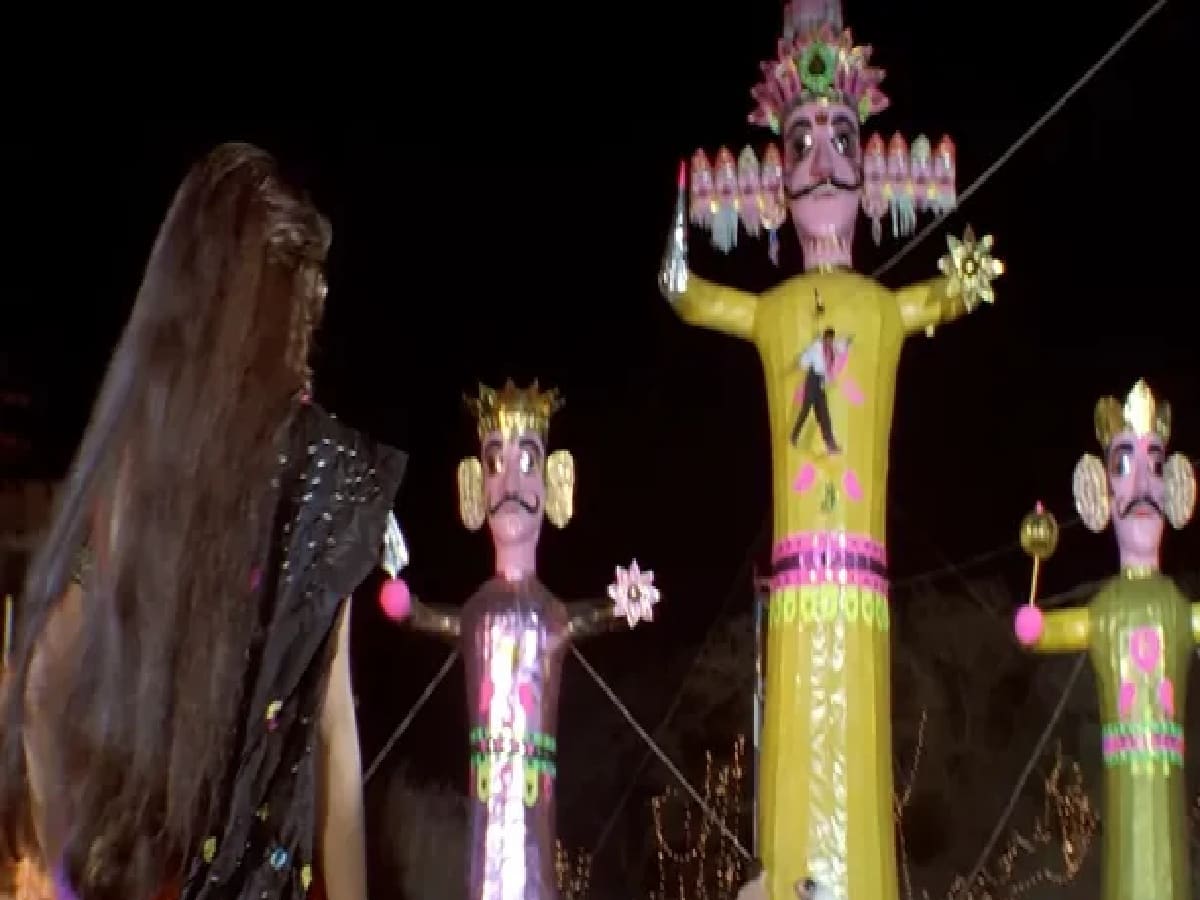
Celebrating the eternal triumph of righteousness over wickedness, the festival of Vijayadashami has inspired numerous cinematic allegories across Indian cinema, yet few dramatic sequences resonate with the raw intensity seen in RK Films' 1996 classic Prem Granth. Directed by Rajiv Kapoor and headlined by Madhuri Dixit alongside the late Rishi Kapoor, the social drama broke away from traditional romantic tropes to confront entrenched feudal brutality, caste hierarchies, and the societal scourge of victim-blaming. Exactly thirty years after its theatrical debut, the film’s haunting final showdown—set against a roaring Dussehra carnival where the towering effigy of the demon king Ravana is consumed by flames while retribution is delivered to real-world predators—continues to send shivers down the spine of viewers, standing as one of Hindi cinema’s most unforgettable allegories of dharma overcoming adharma.
Defying Feudal Tyranny: Kajri’s Ordeal and the Fight for Dignity
The narrative power of Prem Granth rests entirely on the journey of Kajri, an innocent, spirited village woman portrayed with exceptional emotional depth and grit by Madhuri Dixit. When Kajri falls in love with Somen, an upper-caste youth played with sensitive nuance by Rishi Kapoor, their cross-caste romance collides with rigid socio-religious orthodoxies. Her life is shattered when the village’s influential and predatory feudal landlord subjects her to a heinous sexual assault, triggering an agonizing spiral of communal cruelty. Rather than finding institutional sanctuary or public solidarity, Kajri is subjected to secondary trauma by a hypocritical village council that routinely shields affluent perpetrators while ostracizing female victims. Refusing to internalize societal shame or accept a lifetime of silent victimhood, Kajri gathers her inner resolve, choosing to confront the entrenched patriarchy and demand accountability for the violence committed against her dignity.
The Chilling Vijayadashami Climax: Slaying the Real Ravana in the Ramlila Grounds
The cinematic brilliance of the film culminates in its iconic finale, staged within the crowded, festive amphitheater of a traditional Ramlila ground on the auspicious evening of Dussehra. As thousands of spectators celebrate and fire arrows ignite the giant, multi-headed effigy of Ravana, Kajri and Somen corner the ruthless villain responsible for tearing their lives apart. The visual juxtaposition of the mythical demon burning against the night sky while the real-life tyrant meets his violent end on the dusty ground delivers a chilling, visceral release of tension. By executing poetic justice within the blistering aura of the festival bonfire, director Rajiv Kapoor delivered a timeless social critique: the ritual burning of straw effigies remains an empty gesture unless society finds the collective courage to unmask, confront, and destroy the living monsters who exploit the vulnerable under the guise of tradition and power.




