







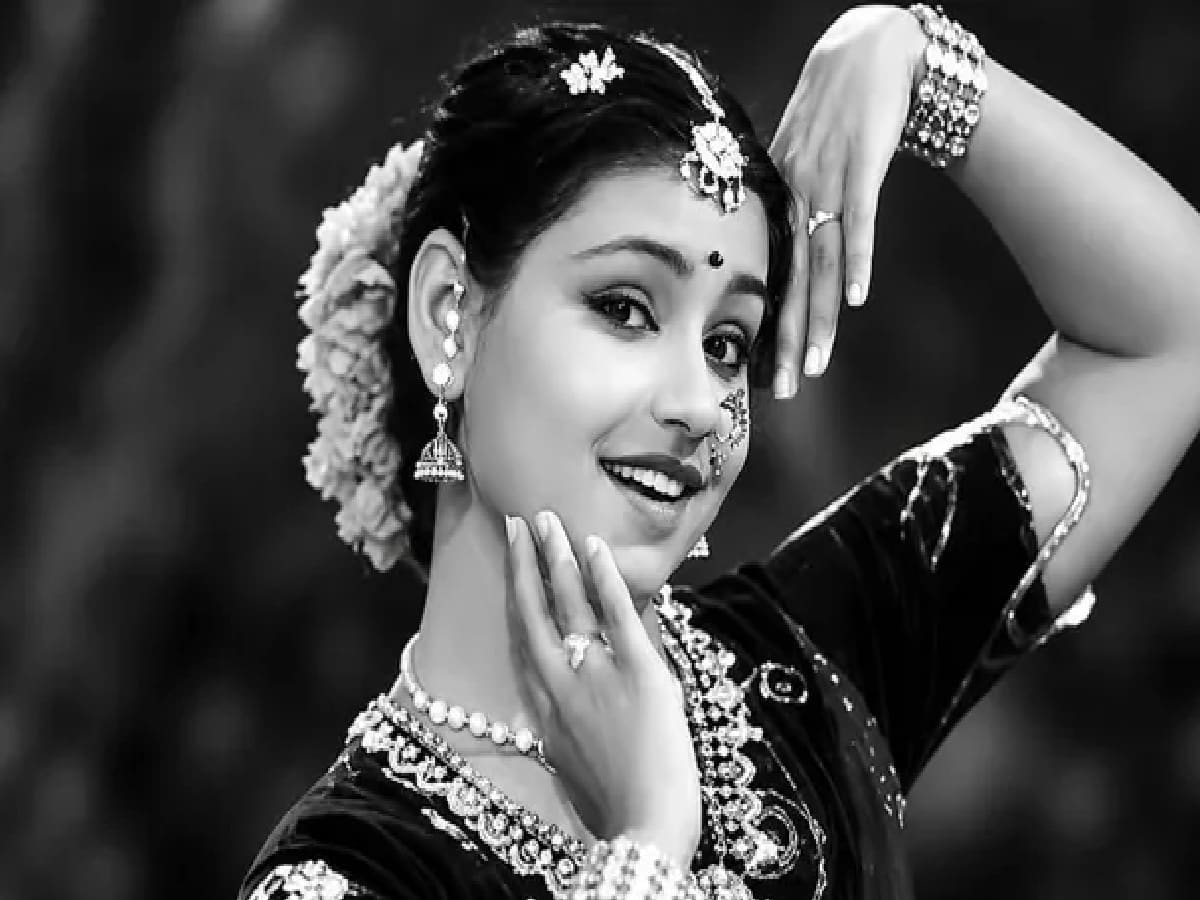
Lata Mangeshkar and Sister Usha Created an Evergreen Cult Classic in Dilip Kumar’s 'Azaad'
The golden era of Indian cinema produced countless timeless melodies, but few tracks captured pure, playful rhythmic energy quite like "Aplam Chaplam," the cult duet recorded 71 years ago by the late Nightingale of India, Lata Mangeshkar, alongside her younger sister, Usha Mangeshkar. Featured in director S. M. Sriramulu Naidu’s 1955 blockbuster Azaad starring Dilip Kumar and Meena Kumari, the fast-paced dance number remains a benchmark of vocal agility and innovative songwriting. While the Mangeshkar sisters were widely celebrated for their soulful and classical versatility, this spirited track proved their unmatched ability to turn playful, rhythmic syllables into an unforgettable auditory spectacle that continues to enchant listeners across generations.
The Genius of C. Ramachandra and Rajendra Krishan's Playful Rhymes
Composed by legendary music director C. Ramachandra (Chitalkar) with spirited lyrics penned by Rajendra Krishan, the song relied heavily on catchy, unconventional nonsense rhymes rather than standard poetic meter. While the phrase "Aplam Chaplam" had no formal dictionary meaning in any Indian language, Krishan's rhythmic phonetic structure blended seamlessly with Ramachandra’s Western-infused brass elements and dynamic traditional percussion. The track, revolving around youthful celebration and carefree joy, became an instant sensation upon its release, with the Mangeshkar sisters’ synchronized cadence and flawless breath control setting an exceptional standard for vocal duets in Hindi cinema. Music enthusiasts seeking the complete, licensed verses can easily find the full lyrics by searching for the song on Google.
The Rise of the 'Aplam Chaplam Girls': Sayee and Subbulakshmi's On-Screen Magic
Beyond its vocal brilliance, the song owes much of its iconic cultural status to the spellbinding on-screen performance of South Indian cinema's famed dancing duo, Sayee and Subbulakshmi. Re-creating the intricate choreography from the original Tamil version, their synchronized classical footwork, expressive facial nuances, and high-energy synchronization stunned audiences across northern and southern theatrical markets alike. The routine proved so universally popular that the performers were permanently christened by the film fraternity and moviegoers as the "Aplam Chaplam Girls." More than seven decades later, the collaboration between the Mangeshkar sisters, C. Ramachandra, and the legendary dance pair remains a defining highlight of Bollywood’s golden age.




