







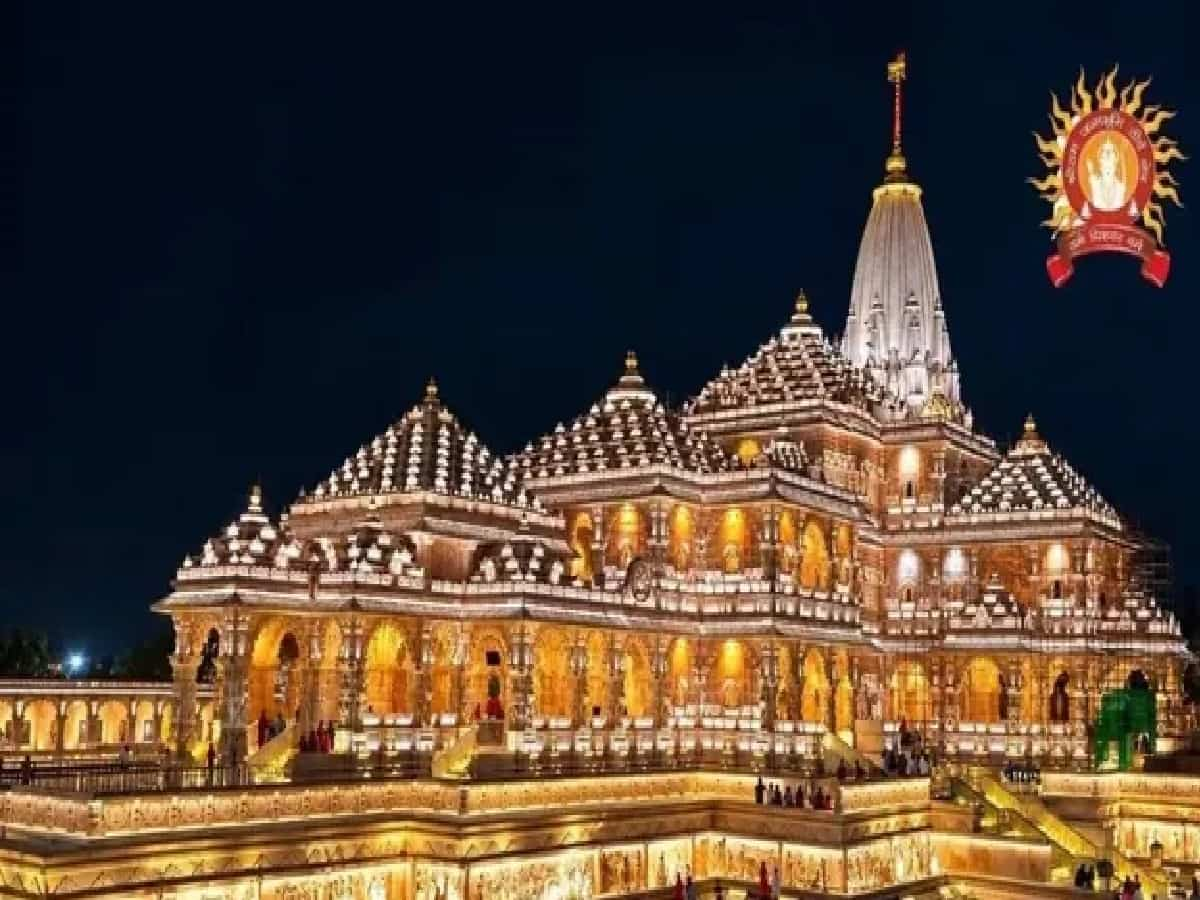
Ayodhya Deepotsav 2026: Ram Janmabhoomi Complex to Dazzle with 1 Lakh Diyas
In a breathtaking visual tribute to the festive spirit of Diwali, the Shri Ram Janmabhoomi Teerth Kshetra Trust has finalized comprehensive arrangements to illuminate the entire 100-acre Ram Janmabhoomi complex in Ayodhya with more than 100,000 earthen, wax, and eco-friendly lamps. Marking the historic milestone where the primary temple and its auxiliary shrines stand fully realized, this year's Deepotsav celebrations will feature an unprecedented decorative footprint extending from the Ram Janmabhoomi Path to the deepest interior courtyards. Uttar Pradesh Chief Minister Yogi Adityanath is scheduled to formally inaugurate the festival of lights by lighting the ceremonial first diya before the idol of Ram Lalla, initiating a radiant spectacle powered by over 1,000 dedicated personnel deployed across every sector of the sacred complex to welcome hundreds of thousands of pilgrims arriving in the holy city.
Eco-Friendly Illumination: Desi Ghee and Cow Dung Lamps in the Sanctum Sanctorum
To preserve the sacred aesthetic and structural integrity of the newly carved temple architecture, the Trust has commissioned special eco-friendly lamps manufactured from clay, purified wax, and cow dung, ensuring that soot and heat emissions cause no damage to the sandstone stonework. Inside the sanctum sanctorum (Garbhagriha) of Ram Lalla and the altars of all accompanying deities, ceremonial diyas crafted from cow dung and filled with pure indigenous desi ghee will burn continuously through the festive nights. The comprehensive illumination strategy encompasses not only the central shrine but also historic mounds and elevated vantage points across the holy site, casting radiant light over Angad Tila, Sugriva Fort, and Kuber Tila. Beyond the primary temple structure, dynamic facade lights and warm halogen arrangements will accentuate the six newly consecrated parikrama shrines—dedicated to Goddess Durga, Goddess Annapurna, Lord Ganesha, Lord Shiva, Lord Surya, and Lord Hanuman—alongside the Sheshavatar Temple, Saptarishi Temple, Tulsidas Temple, and the Martyrs' Memorial.
Five-Zone Master Plan: How Ayodhya is Executing Flawless Deepotsav Logistics
To orchestrate the complex logistical demands of managing 100,000 open flames across expansive courtyards, the entire temple campus has been divided into five administrative zones, each functioning under the direct command of an appointed zonal in-charge responsible for timely wick placement, oil refilling, and safety protocols. Elaborate rangolis crafted with natural flower petals and colored powders are being installed across the monumental Lion Gate (Singh Dwar), peripheral ramparts, and pilgrim assembly pavilions, creating an immersive spiritual corridor starting at the Tourist Facilitation Center. The entire operational execution is being supervised on the ground by the Trust’s executive leadership, including Chief Executive Officer Air Marshal (Retd.) Jitendra Mishra and senior trustees, with the Trust’s Treasurer Swami Govinddev Giri arriving to inspect the final deployment, setting a global benchmark for cultural grandeur as Ayodhya gears up for its most magnificent festival of lights.




