







Doctor Reveals 5 Heart-Healthy Fruits That Naturally Lower Bad LDL Levels
Hypercholesterolemia and elevated low-density lipoprotein (LDL) levels are no longer restricted to older demographics, increasingly surfacing as a silent cardiovascular threat among young urban professionals across India. While many diagnosed individuals focus exclusively on prescription pharmacology to regulate blood lipid profiles, they frequently overlook foundational nutritional interventions that can drastically accelerate therapeutic outcomes. Clinical specialists stress that deliberate dietary adjustments can make an immense physiological difference in preventing arterial plaque buildup. According to Dr. Somnath Gupta, Senior Consultant Physician, Diabetologist, and Clinical Director at Yashoda Hospitals, regularly incorporating specific fresh fruits rich in viscous soluble fiber and polyphenolic antioxidants directly binds intestinal bile acids and curtails the systemic absorption of circulating bad cholesterol, serving as a powerful natural ally for cardiovascular well-being.
Pectin Power in Apples & Pears Combined with Antioxidant-Rich Berry Blends
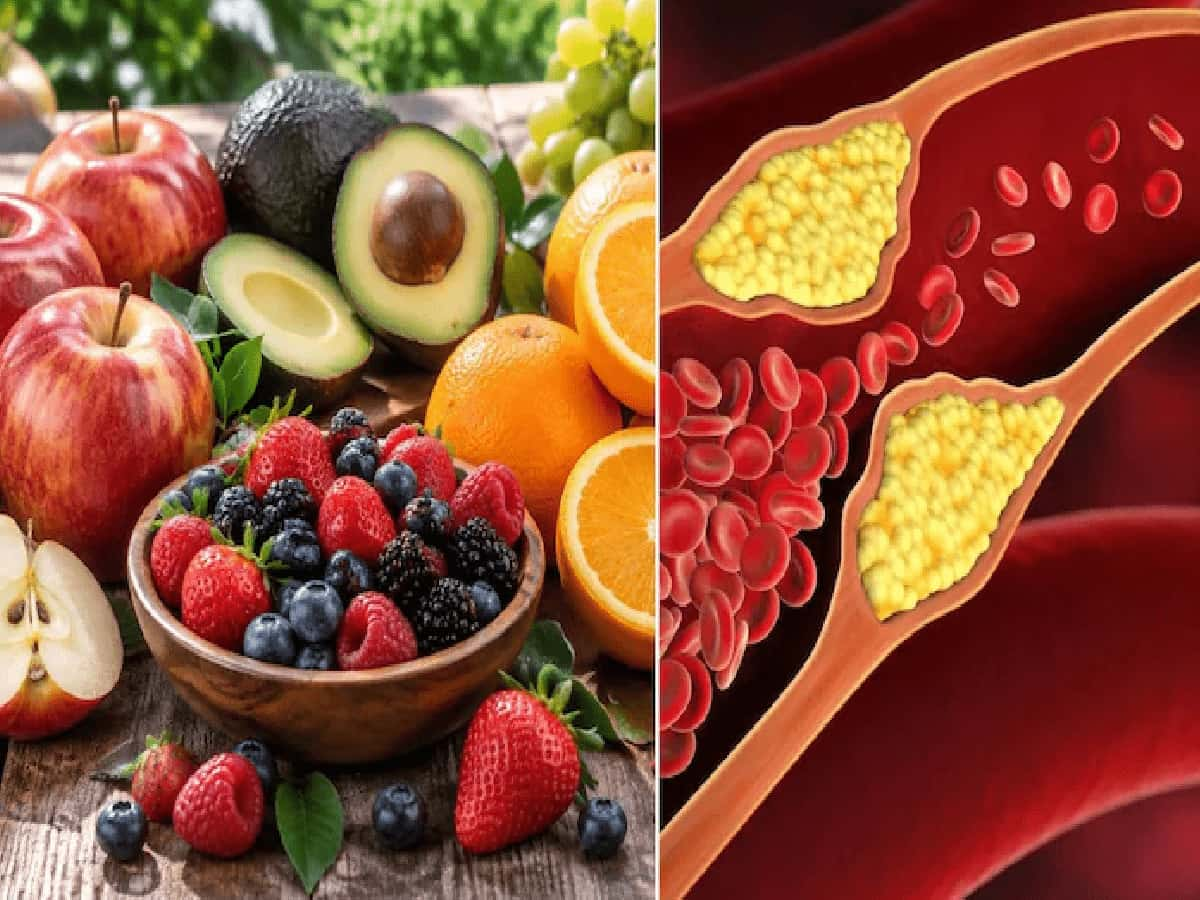
Among the most potent dietary defenders against dyslipidemia are everyday crisp fruits like apples and pears. Dr. Gupta explains that both fruits are concentrated repositories of pectin, a specialized gelatinous soluble fiber that binds directly to cholesterol molecules within the gastrointestinal tract, escorting them safely out of the digestive system before entering the vascular circulation. Complementing this mechanism are colorful berries—including strawberries, blueberries, blackberries, and raspberries—which deliver a double blow against heart disease. Loaded with anthocyanins and potent cellular antioxidants alongside high fiber reserves, berries defend circulating red blood cells from free-radical oxidative damage while actively preventing the arterial inflammation that transforms circulating LDL particles into dangerous coronary plaques.
Citrus Fruits and Avocados: Balancing Vitamin C Boosts with Heart-Friendly Monounsaturated Fats
Citrus varieties such as sweet limes (mosambi), oranges, and grapefruits supply bioavailable vitamin C and natural plant sterols that enhance vascular elasticity and aid daily cholesterol management. However, Dr. Gupta sounds a vital pharmacological caveat regarding grapefruit: patients actively prescribed statin therapy or specific calcium channel blockers for hypertension must seek professional medical guidance before consuming grapefruit, as its natural furanocoumarins can inhibit liver enzymes and dangerously interfere with pharmaceutical metabolization. On the lipid front, avocados represent a rare fruit category packed with monounsaturated fatty acids (MUFAs). These heart-healthy plant fats systematically recalibrate the overall lipid panel by reducing harmful LDL concentrations while preserving and optimizing high-density lipoprotein (HDL) or good cholesterol levels.
Daily Portions and Complete Cardiovascular Nutrition: What Experts Recommend
To achieve sustainable physiological improvements, health practitioners recommend aiming for one to two standard servings of whole, unprocessed fruits each day, emphasizing fresh slices over fiber-stripped packaged juices. Dr. Gupta underscores that while purposeful fruit consumption provides substantial cardiovascular defense, fruits should operate as one component of a holistic nutritional blueprint. For optimal and lasting arterial protection, daily fruit intake must be seamlessly integrated with vibrant seasonal vegetables, fiber-rich whole grains, heart-healthy raw nuts, adequate hydration, and a strict reduction in saturated fats and refined commercial carbohydrates.




