'Aye Mere Watan Ke Logo': Written on Cigarette Foil, Lata Mangeshkar’s Timeless Song That Brought Nehru to Tears
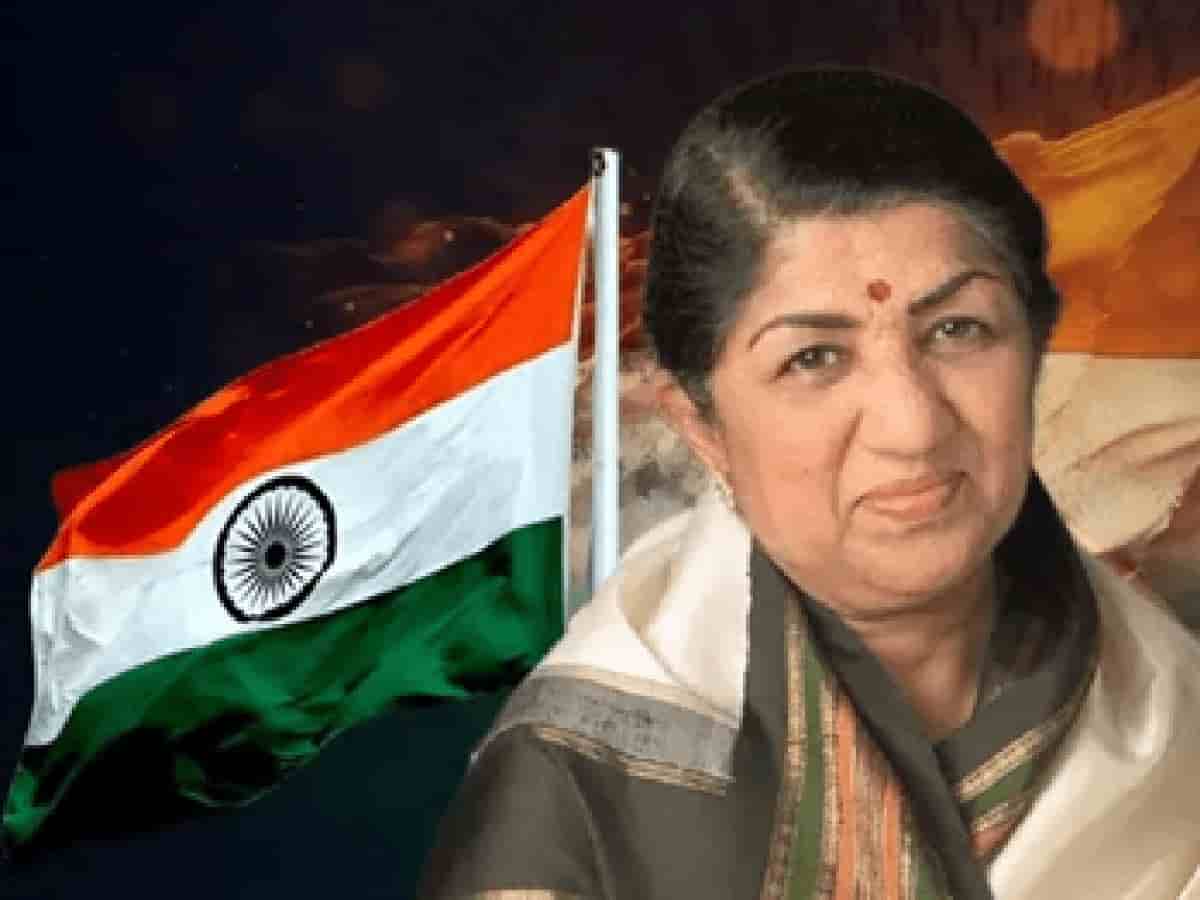
As India proudly commemorates its 80th Independence Day, the airwaves and celebrations across the country echo with timeless melodies of patriotism. While the nation owes its hard-fought freedom to the ultimate sacrifices of countless freedom fighters, brave soldiers continue to guard borders day and night against external threats. Over six decades ago, legendary Nightingale of India Lata Mangeshkar immortalized the supreme valor of these soldiers through a soulful patriotic ballad that deeply moved the entire nation and famously brought the country's first Prime Minister, Pandit Jawaharlal Nehru, to tears. Remarkably, the genesis of this historic anthem began in the unlikeliest of places—scribbled directly onto a cigarette packet.
The Historic Origins: Written on a Cigarette Foil and Composed for the 1962 Martyrs
Dedicated to the heroic Indian soldiers who laid down their lives during the 1962 Sino-Indian war, the song “Aye Mere Watan Ke Logo” was crafted by legendary lyricist Kavi Pradeep, who famously jotted down the initial inspiring lines on a cigarette foil in a moment of sudden poetic inspiration. Composed by the brilliant C. Ramachandra, the song was initially approached with hesitation by Lata Mangeshkar due to tight rehearsal constraints. However, her eventual agreement to lend her divine voice to the track changed music history forever. The song debuted publicly on Republic Day at Ramlila Maidan in New Delhi in the presence of Prime Minister Jawaharlal Nehru. As Lata Didi poured raw emotion into lines like "Aye Mere Watan Ke Logon, zara aankh mein bhar lo paani...", the poignant tribute overwhelmed the Prime Minister, bringing tears to his eyes and instantly bonding the nation in collective grief and patriotic pride.
An Immortal Legacy That Still Echoes Across India Today
Decades after its first live rendition, “Aye Mere Watan Ke Logo” remains the undisputed pinnacle of Indian patriotic music, resonating powerfully in schools, offices, public institutions, and streets every Independence Day and Republic Day. The song serves as a permanent emotional bridge connecting citizens to the supreme sacrifices of fallen soldiers who stood tall against adversity to protect the motherland. Even after 63 years, Lata Mangeshkar’s hauntingly beautiful vocals continue to strike a deep chord in the hearts of listeners, effortlessly bringing tears to the eyes of anyone who pauses to listen to this eternal masterpiece of Indian cinema and culture.